
ISRO’s ‘Bahubali’ LVM3 rocket and GSAT-7R ‘heaviest’ satellite explained
 Follow Us
ISRO’s LVM3 launches GSAT-7R, India’s heaviest military communication satellite
India strengthens naval communication with successful LVM3–GSAT-7R space mission
Bahubali rocket LVM3 boosts ISRO’s defence and space capabilities
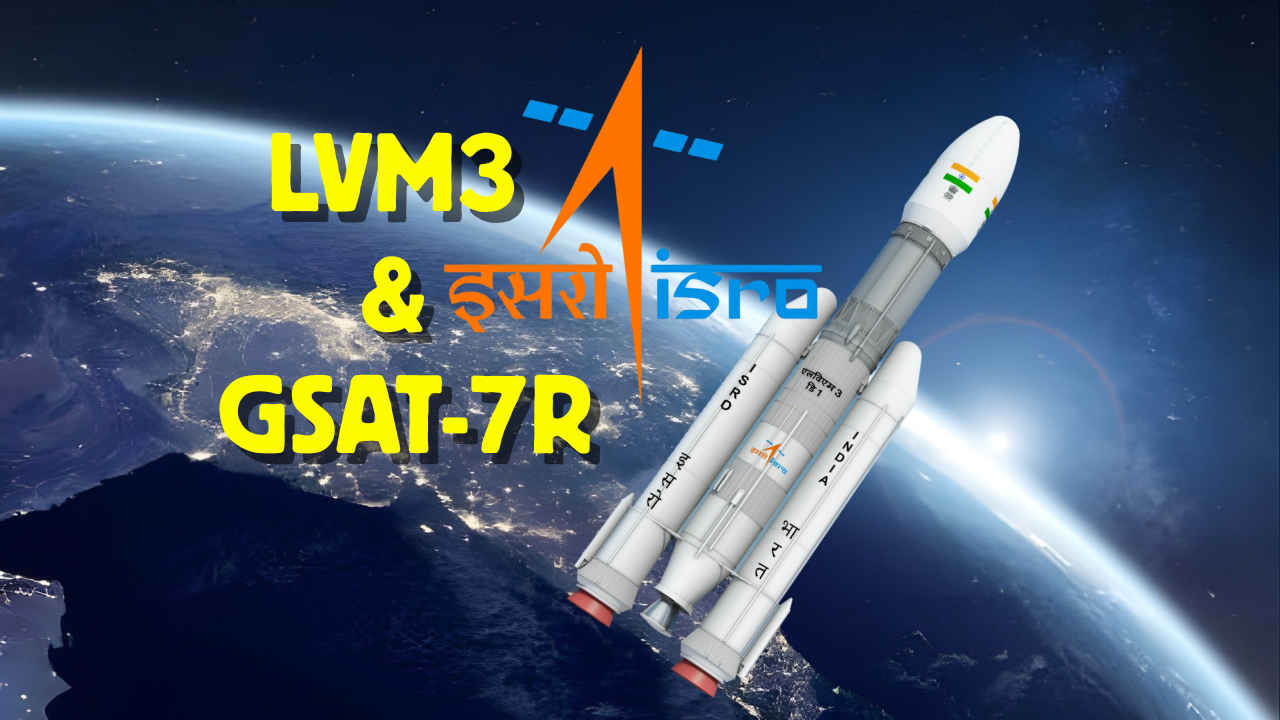

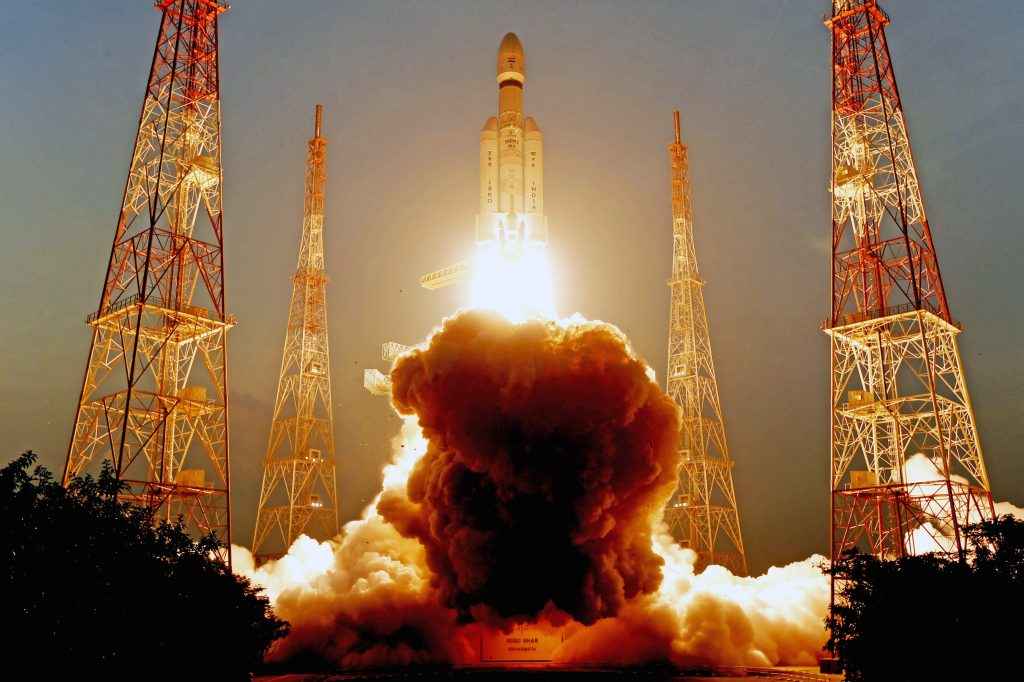
While India’s women’s cricket team was busy scripting history on the field, another quiet victory was taking shape high above it. In the stillness of Sriharikota’s launch pad, a 640-tonne giant nicknamed “Bahubali” – ISRO’s LVM3 rocket – came alive, carrying on its shoulders the nation’s heaviest and most sophisticated communication satellite yet, GSAT-7R. The event, marked by professional precision rather than public fanfare, was a strategic success. It underscores that India’s advanced capabilities extend beyond its borders, firmly into the geopolitical domain of orbital space.
 Survey
Also read: From Star Wars to Science: Astronomers discover Earth-sized planets with double sunsets
The LVM3: A decades-long quest for autonomy
The Launch Vehicle Mark-3 (LVM3) is the definitive answer to a long-standing national challenge. For decades, India lacked the capacity to launch its heaviest communication satellites, necessitating reliance on foreign providers, a situation that incurred both high cost and logistical dependency.
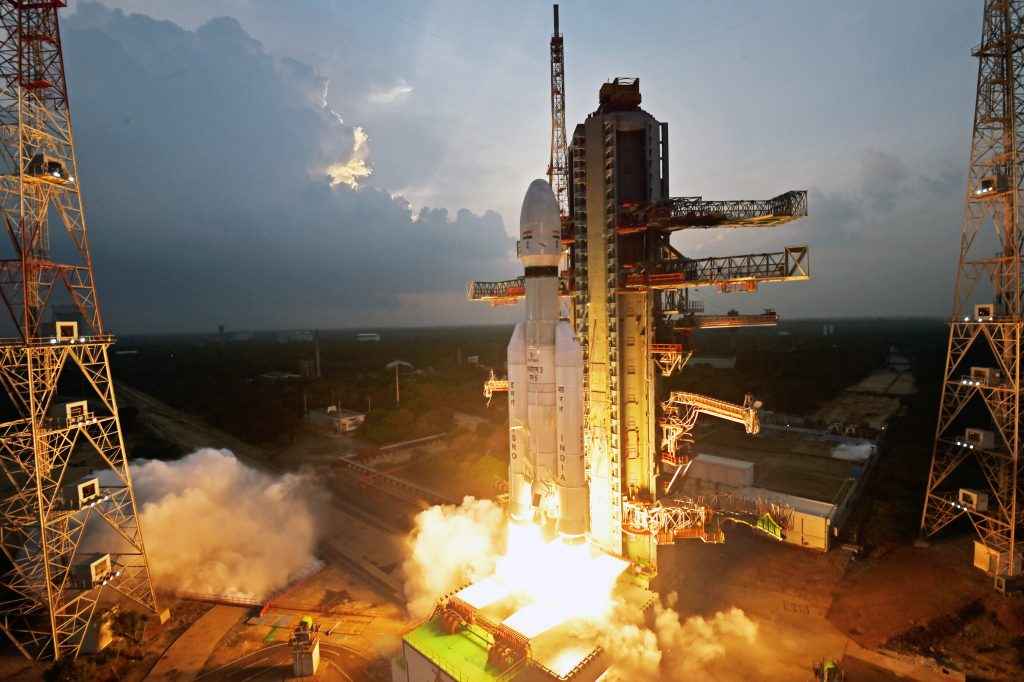
Standing 43 metres tall, the LVM3 is the culmination of two decades of indigenous development. Its powerful design employs two massive solid-fuel boosters and a complex cryogenic upper stage. This configuration allows the LVM3 to generate over 8,000 kilonewtons of thrust, delivering the critical capability to inject a four-tonne class satellite into geostationary transfer orbit (36,000 kilometres above Earth).
This heavy-lift capability is a marker of technological sovereignty. The LVM3 is now established as India’s workhorse, proven across commercial launches, the Chandrayaan-2 lunar mission, and is the selected vehicle for Gaganyaan, the upcoming human spaceflight program. The rocket represents the mastery of heavy-lift rocketry, positioning India among a select global few.
GSAT-7R: Encrypted communication for the Navy
The satellite placed into orbit, the GSAT-7R, weighs approximately 4,410 kilograms and is the heaviest satellite India has manufactured and launched. Its function is crucial: to serve as the exclusive, secure communication system for the Indian Navy.
GSAT-7R ensures uninterrupted connectivity for India’s maritime assets, irrespective of their operational location. It establishes real-time voice, data, and video links between surface ships, submarines, and reconnaissance aircraft.
This capacity is managed through advanced multi-band transponders (UHF, S, C, and Ku bands), which guarantee reliable transmission, particularly during challenging conditions. Replacing the aging GSAT-7, the new satellite provides significantly enhanced capacity and redundancy, directly supporting India’s blue-water navy ambition, the capability to operate globally with continuous, secure situational awareness. The deployment of GSAT-7R secures India’s operational independence from foreign communication systems for its defense forces.
Also read: EvoFox Katana S Mini keyboard: Wireless power on a budget?
Strategic integration and understated efficiency
The LVM3–GSAT-7R mission is a clear example of the functional integration between ISRO’s scientific prowess and the nation’s security requirements. Space technology is now an integral component of India’s strategic toolkit.
In the contemporary geopolitical landscape, where competition extends to maritime and digital domains, establishing and maintaining an independent, secure, and resilient space-based communication network provides a critical strategic advantage.
The hallmark of ISRO’s success remains its systematic and efficient execution. The quiet, methodical precision of the team, which delivers world-class results without public spectacle, demonstrates a robust technological maturity. The successful launch of the LVM3 carrying GSAT-7R solidifies the country’s high-capacity technological infrastructure and its strategic reach.
Also read: Sora gets new AI video features: Character cameo, clip stitcher, and more


