
From Star Wars to Science: Astronomers discover Earth-sized planets with double sunsets
 Follow Us
Astronomers confirm Earth-sized exoplanets orbiting binary stars with double sunsets
TOI-2267 discovery proves stable planets can form in twin-star systems
TESS, TRAPPIST, and JWST reveal real-life Tatooine worlds 190 light-years away
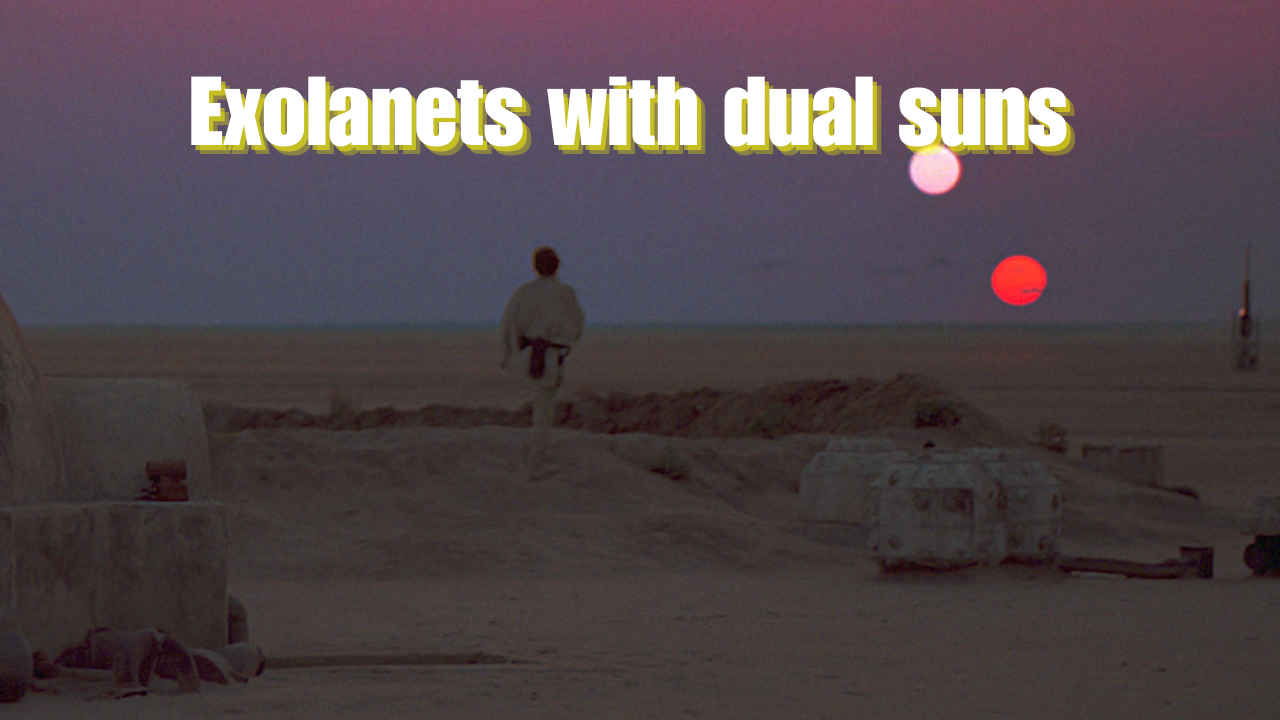

The scene is burned into pop culture memory: a young Luke Skywalker, silhouetted against the vast desert, gazing wistfully as two giant suns simultaneously dip below the horizon of his home world, Tatooine. For decades, this iconic double sunset represented the ultimate cinematic fantasy – a picturesque, yet impossible, alien sky. Now, that impossibility has been vanquished. Astronomers have leveraged the latest space and ground based technology to confirm the existence of three Earth-sized exoplanets orbiting a compact binary star system, proving that the breathtaking spectacle of a twin sunset is a possible reality , roughly 190 light-years away.
 Survey
The star system, designated TOI-2267, features two stars orbiting each other in close proximity. This arrangement, known as a compact binary, was long modeled as a stellar setup too gravitationally chaotic to permit the stable formation of small, rocky worlds. The discovery of three Earth-sized worlds here is a powerful scientific rebuttal, demonstrating the cosmos’s ability to engineer stable planetary systems in environments once deemed too volatile. It’s a literal expansion of the architectural blueprint for planetary formation in our galaxy.
Also read: GitHub Agent HQ explained: How it aims to create specialized AI agents for developers
TESS and High-precision Telescopes
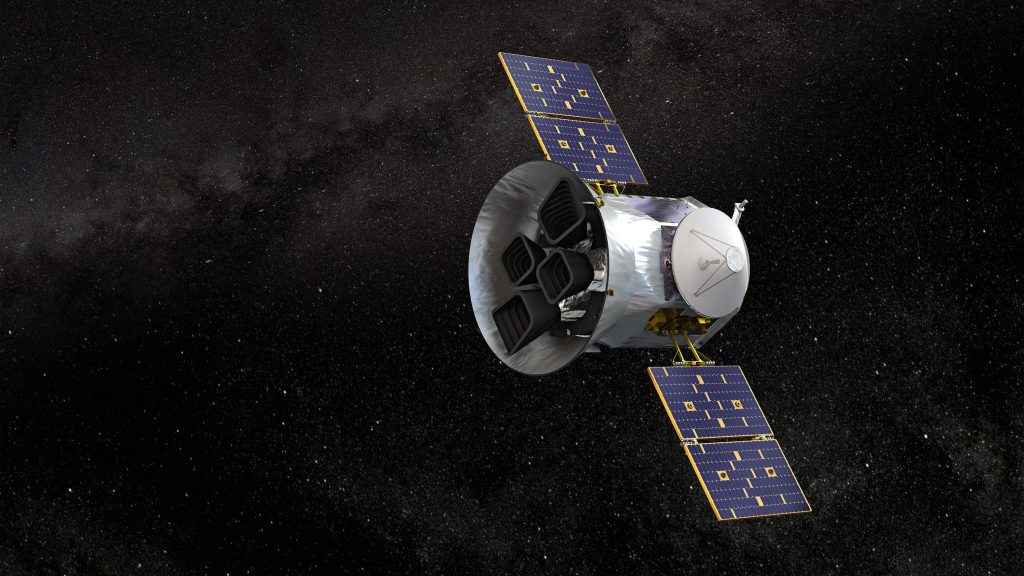
Turning the fictional backdrop of Tatooine into a subject of scientific inquiry required a multi-stage technological effort. The initial evidence came from NASA’s Transiting Exoplanet Survey Satellite (TESS). TESS is designed to survey the sky for transiting exoplanets – worlds that momentarily dim their host star’s light as they pass in front of it.
The subtle light-curve dips recorded by TESS provided the first hints of the three planets. However, to transition from a planetary candidate to a confirmed, stable body in the challenging TOI-2267 system, scientists needed high-precision validation from Earth. This phase involved two specialized, ground-based robotic telescope networks:
- TRAPPIST (TRAnsiting Planets and PlanetesImals Small Telescope) Network: This global network was essential for gathering high-cadence photometric measurements. It precisely characterized the orbits, especially those around the system’s cooler stellar components, which are often challenging to study.
- SPECULOOS (Search for habitable Planets EClipsing ULtra-cOOl Stars) Network: The SPECULOOS telescopes played a crucial role in confirming the TESS signals and ruling out false positives. Their optimization for studying faint, cool stars provided the necessary temporal coverage and signal-to-noise ratio to prove the transits were caused by stable planetary bodies.
This combined technological capability, a space surveyor identifying targets and specialized ground instruments confirming the physics, was the key to validating the stability of these worlds within the binary system’s complex gravitational field.
Redefining planetary architecture
The confirmed structure of TOI-2267 is forcing a substantial rewrite of planetary architecture textbooks. The system is officially the most compact and coldest pair of stars known to host planets. Crucially, it is the first binary system known to host transiting planets around both of its stellar components, with one star hosting two planets and the companion star hosting a third.
The very existence of these rocky, Earth-sized worlds in an environment prone to orbital perturbations is a testament to the resilience of planetary formation processes. Researchers are embracing TOI-2267 as a “natural laboratory,” providing a rare, real-world case study for how small worlds can successfully achieve and maintain stability despite continuous gravitational stress. The discovery significantly broadens the types of star systems we must consider when searching for small, rocky exoplanets in the galaxy.
Also read: Meet NEO: Humanoid robot designed as your home assistant for ₹18 lakh
Characterization via JWST
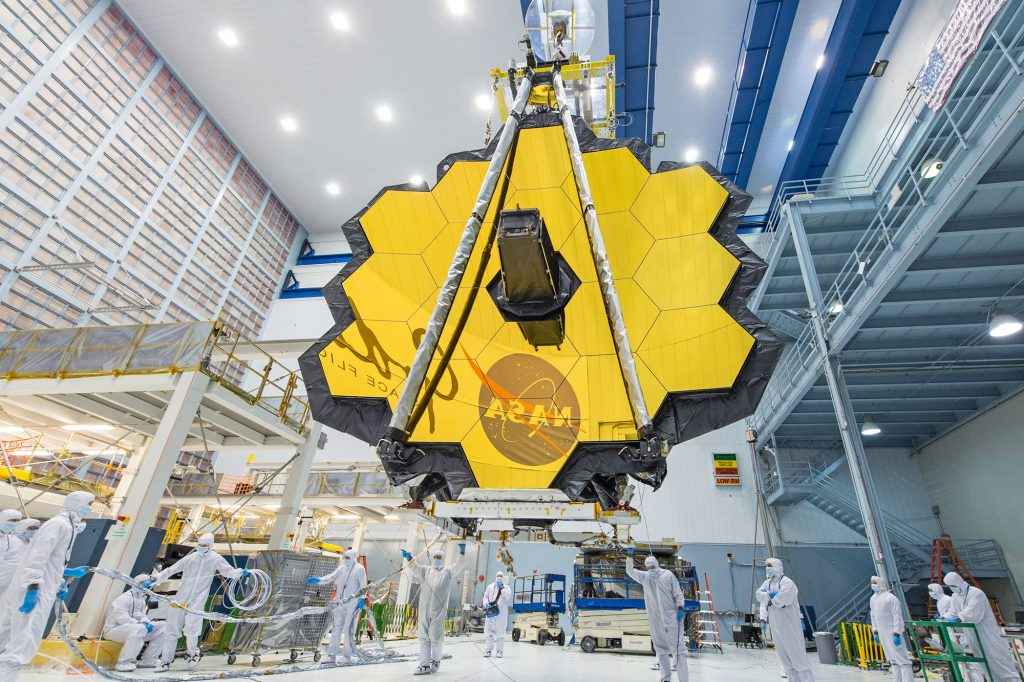
With the planets’ existence confirmed, the next stage is detailed characterization, a task perfectly suited for the James Webb Space Telescope (JWST). While their close proximity to twin stars suggests these worlds are likely too hot to sustain liquid water, they are prime targets for atmospheric analysis.
Future JWST observations will focus on two key areas:
- Mass and Density Determination: Combining transit data with spectroscopic measurements will allow astronomers to calculate the planets’ exact mass and density, definitively confirming their rocky, Earth-sized compositions.
- Atmospheric Spectroscopy: By analyzing starlight filtered through the planets’ atmospheres during transit, JWST can search for key molecular signatures. Detecting a stable atmosphere in such a dynamic, double-star environment would be a breakthrough, offering invaluable insights into how these worlds formed and retained their gaseous envelopes.
The discovery of the TOI-2267 planets stands as a powerful testament to technology’s ability to turn science fiction into scientific data. The magnificent double sunset, once a symbol of the distant and unattainable, is now a measurable phenomenon directing the next phase of astronomical research. The cosmos, it seems, takes our wildest imaginings – like a young farm boy staring at his twin suns – and uses them as blueprints for reality.
Also read: Yann LeCun warns of a Robotics Bubble: Why humanoid AI isn’t ready yet


