India Semicon Mission 2.0: Key reactions from tech on Budget 2026
 Follow Us
India Semiconductor Mission 2.0 shifts focus from fabs to ecosystems
Union Budget 2026 incentives deep supply chains and skilling
India positions itself as a credible semiconductor and electronics hub
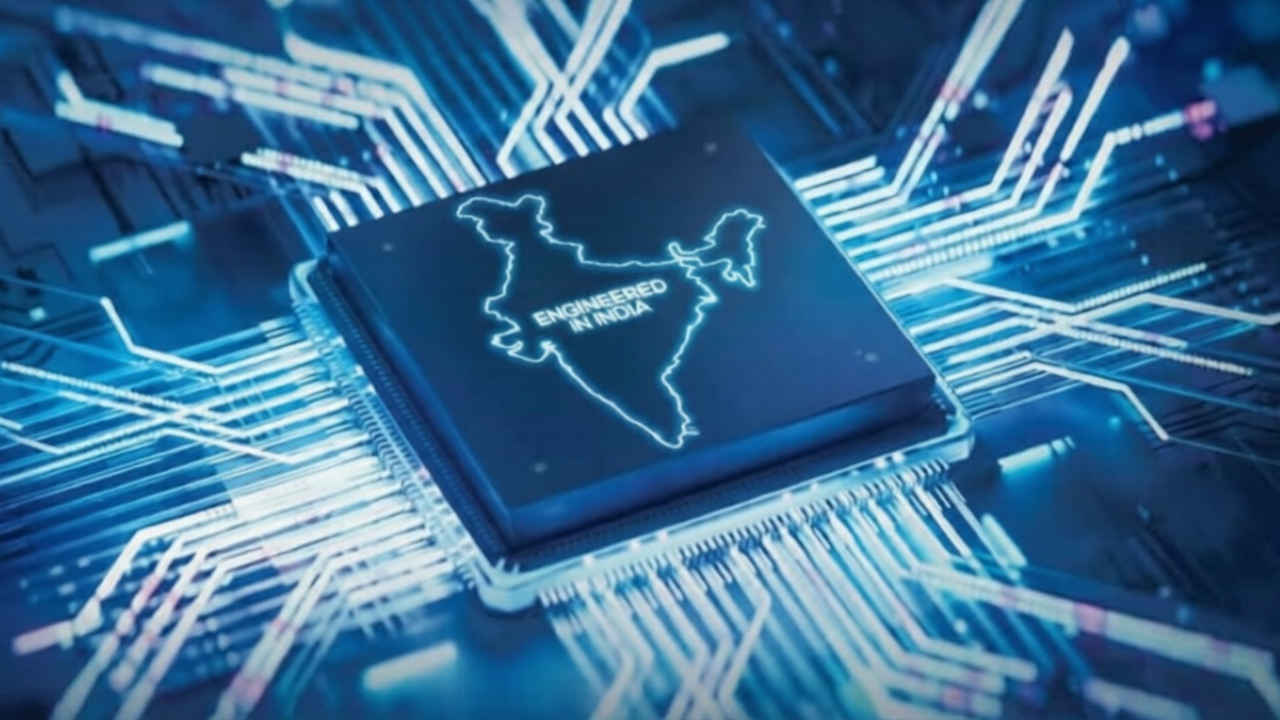

If India’s first semiconductor push was about proving intent, India Semiconductor Mission 2.0 – unveiled as part of the Union Budget 2026 – is all about seriousness. Bigger numbers, broader scope, and a far more explicit attempt to stitch together materials, equipment, design, R&D, and components into a single, legible industrial story.
 Survey
The headline figures have grown. The Electronics Components Manufacturing Scheme has nearly doubled – from ₹22,919 crore to ₹40,000 crore – signalling the government’s seriousness in how India isn’t just chasing fabs anymore, but it’s chasing everything around the fab as well.
This is a welcome change in setting the narrative. For years, India’s semiconductor conversation was dominated by a single question: When will India’s first fab go live? India Semiconductor Mission 2.0 reframes that emphasis on real depth. Building resilient supply chains, tools, materials, design talent, and research ecosystems that don’t collapse if one node underperforms.
For companies already embedded in the global semiconductor value chain, that recalibration is welcome. As Avi Avula, President, Applied Materials India, puts it, “India Semiconductor Mission 2.0, announced in the Union Budget 2026, is a positive step towards strengthening India’s semiconductor ecosystem. We are proud to contribute through our growing capabilities designed to accelerate research and innovation in partnership with industry and academia.”
That mention of academia is key. India Semiconductor Mission 2.0 explicitly widens its lens to include R&D and research partnerships, silently acknowledging that semiconductor leadership isn’t built on pure capital expenditure. It’s built on labs, process know-how, and people who understand why yields fail before they understand how to fix them.
From a legal and investment standpoint, the expanded scope also reshapes deal-making dynamics. Ganesh Prasad, Partner at Khaitan & Co, frames the moment bluntly. “The expansion of semiconductor initiatives under the India Semiconductor Mission 2.0, with increased outlays for components manufacturing, strategically positions India as a hub in global supply chains amidst US-China tensions,” he noted.
He points to a likely uptick in venture capital flowing into design and fabrication startups, as well as M&A activity driven by multinationals looking to diversify geopolitical risk. The Budget’s parallel push to establish rare earth corridors in select states could further strengthen that gravitational pull – though Prasad also cautions that heightened scrutiny on foreign direct investment in sensitive areas may prolong approvals, making due diligence and valuation discipline more critical than ever.
Also read: AI chips and Indian innovation: Insights from Tessolve CEO Srini Chinamilli
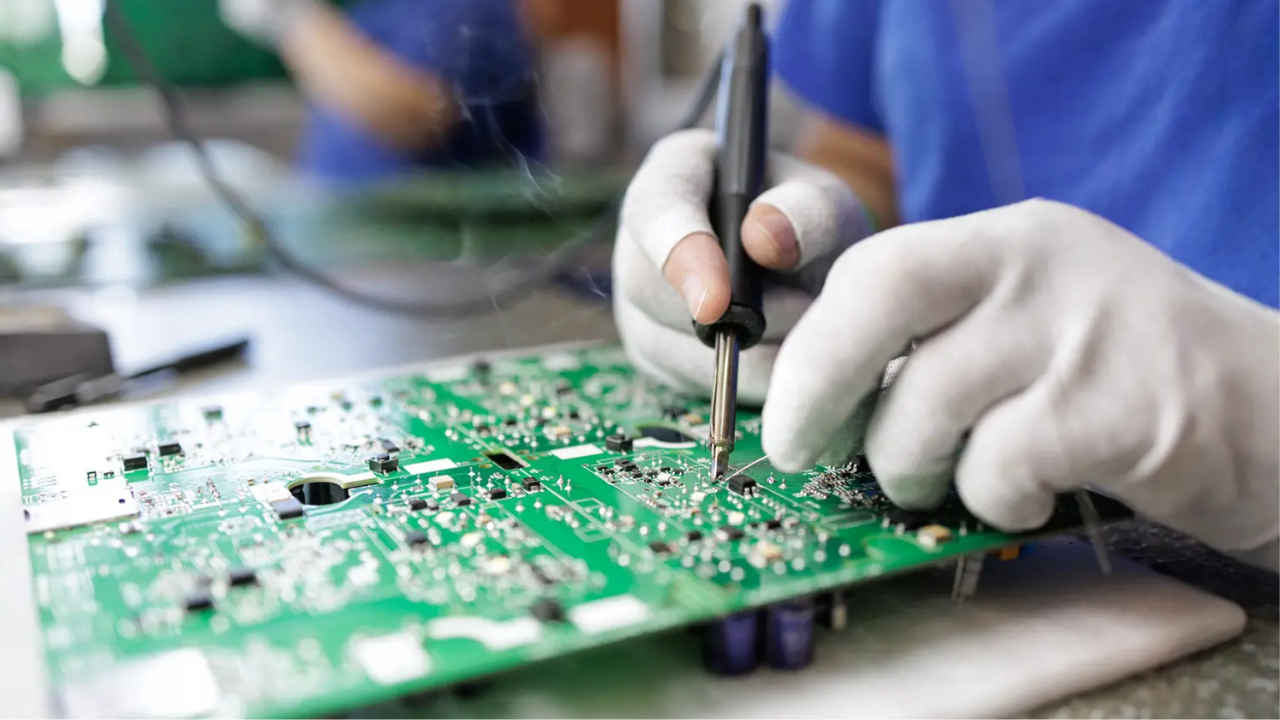
For consumer electronics manufacturers, the tone of the Union Budget 2026 feels notably more practical than aspirational. Ravi Agarwal, Co-Founder and Managing Director, Cellecor, sees Mission 2.0 as part of a broader manufacturing reset. “The near doubling of the Electronics Components Manufacturing Scheme outlay… is a meaningful step toward building a stronger domestic component supply chain.”
Crucially, he highlights the full-stack ambition of ISM 2.0 – “covering materials, equipment, design, and R&D” – alongside employment and skilling initiatives aimed at creating a workforce that can actually sustain scale.
That sentiment is echoed by global consumer brands manufacturing in India. Pankaj Rana, CEO, Hisense India, describes the Union Budget 2026 as “a forward-looking technology roadmap that strengthens India’s position as a global electronics and innovation hub.” For companies planning multi-year localisation strategies, policy continuity matters as much as incentives – and Mission 2.0 offers more of the former than earlier iterations.
The digital infrastructure layer, meanwhile, runs parallel to the silicon story. Puneet Chandok, President, Microsoft India & South Asia, underscores the Budget’s intent to treat AI and cloud infrastructure as national assets, noting that “digital infrastructure is now strategic national infrastructure.” His emphasis on data centres, AI compute, and skilling reflects a growing recognition that chips, cloud, and AI adoption rise – or fall – together.
Finally, the Budget’s regional and fiscal architecture ties it all together. Tejesh Kodali, Group Chairman, Blue Cloud Softech Solutions, points to “the Union Budget’s ₹40,000 crore allocation for India’s semiconductor ecosystem” as a long-term bet on resilience. From critical minerals in states like Odisha and Tamil Nadu to tax certainty for foreign cloud providers, the message is consistent: India wants to be predictable, not just ambitious.
India Semiconductor Mission 2.0 won’t manufacture credibility overnight. But for the first time, the pieces look less like a checklist and more like a system that’s slowly but surely coming together.
Also read: Smartphones to electronics: Why India-EU FTA is great for Made in India tech


