Fix Grok bikini deepfakes: Indian govt pulls up X.com for viral AI trend
 Follow Us
India's MeitY warns X.com over disturbing viral AI bikini trend
Notice targets obscene, non-consensual synthetic images harming women, children
Grok bikini prompts turn photos into harassment, Elon Musk encouraged it
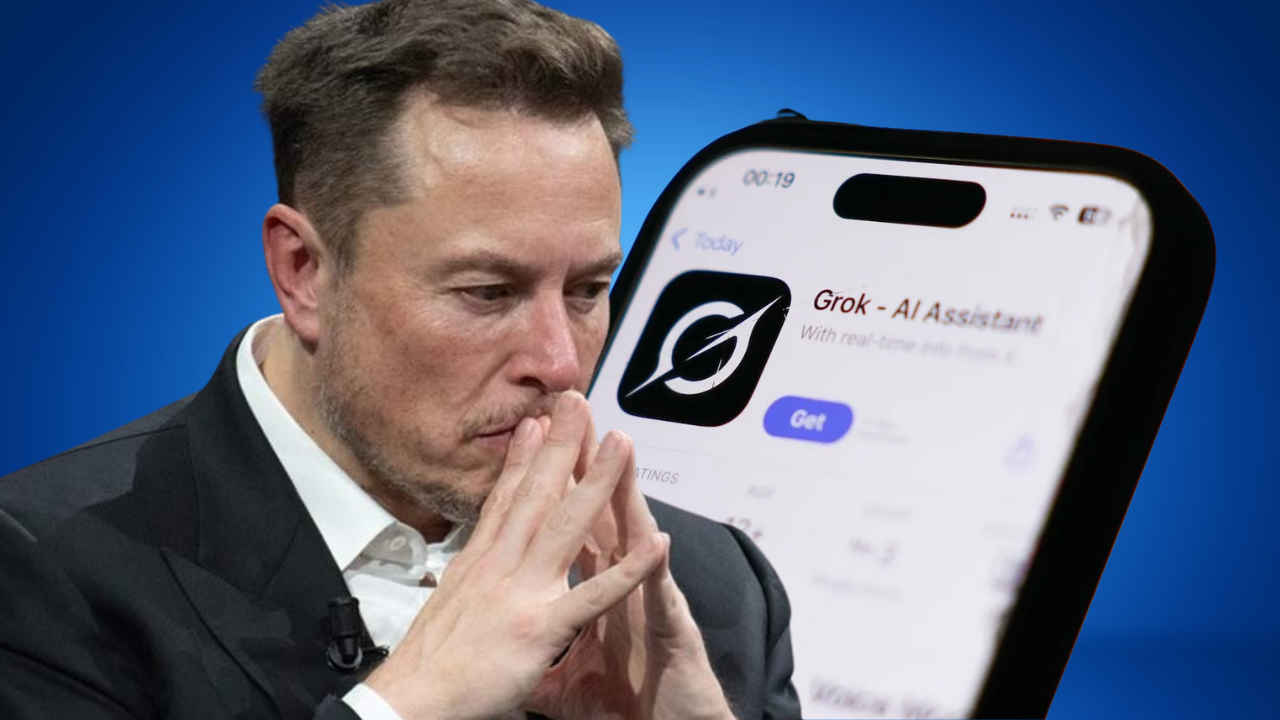

India’s New Year has barely finished popping its confetti cannons, and social media already has its first big AI controversy of 2026, in case you didn’t notice. The Indian government has issued a formal notice to X over the misuse of Grok AI for generating and circulating obscene and indecent content on social media.
 Survey
The Indian govt’s notice is in response to the “Grok bikini” viral trend wave – non-consensual synthetic edits that turn real women (and, in some reported cases, minors) into subjects of online jokes or harassment campaigns.
According to several reports, the Ministry of Electronics and Information Technology (MeitY) wrote to X’s India Chief Compliance Officer and accused the platform of failing its statutory “due diligence” duties under the Information Technology Act, 2000 and the IT (Intermediary Guidelines and Digital Media Ethics Code) Rules, 2021. That phrasing is critically important, as it matters a lot from a legal perspective. It frames the issue as failure of X.com’s platform responsibility, not just user misbehaviour that added fuel to the Grok AI viral bikini trend.
The notice by MeitY seems to imply that when an AI feature that’s the root cause behind the AI deepfake trend, sitting on the fence claiming you are just the platform – it’s the users who are misbehaving – simply isn’t good enough.
Also read: X bikini trend: Govt issues 72 hour ultimatum to Elon Musk’s X, asks to remove explicit Grok content

MeitY’s directions couldn’t have been more blunt, especially on two counts. Firstly, X.com has been told to remove unlawful material and to run a comprehensive technical, procedural, and governance review of Grok AI – covering prompt processing, output generation, and safety guardrails – and to submit a detailed Action Taken Report within a tight deadline of 72 hours (three days).
Secondly, Section 79 of India’s IT Act offers intermediaries (like Facebook, X, and others) conditional protection from liability, but it is contingent on “due diligence” on their part. MeitY’s intermediary rules also state that if an intermediary fails to observe the rules, Section 79(1) won’t apply – which means X.com will be held responsible for damage caused by the Grok AI bikini trend.
Why the escalation now, one may wonder, especially because this trend has been going on for a few days? Even Elon Musk joined in on the “fun”. Because the harm caused is serious, and not at all fun.
Grok’s image-editing capabilities are seriously photo-realistic, giving X.com users the ability to quickly generate sexualised edits from real photos, including outputs involving minors when prompted – territory that triggers serious child-safety and potentially criminal-law concerns. Once that line is crossed, regulators stop issuing polite advisories and start counting enforcement tools.
For X and xAI, this is the moderation math problem in its most unforgiving form: the more photorealistic the generator, the more damaging the abuse – especially when the target is a real person who never consented. MeitY’s posture also signals something bigger for every platform rushing to bolt “AI edit” onto a feed: “experimental” is not a legal category once you deploy at national scale. If you can ship it, you should be able to govern it, and more importantly make sure it’s not violating any laws.
What is the “Grok bikini trend” exactly?
It refers to users on X replying to photos of women – celebrities, influencers, and ordinary users – and prompting Grok to “put her in a bikini” or produce other skimpy, sexualised edits. Those images are then reposted publicly, often as memes or targeted harassment, despite being non-consensual synthetic media.
Outrage has been growing against this trend as examples circulated that appeared to involve minors, and as more women described the trend as tech-enabled sexual harassment rather than “harmless banter.”
If this is how 2026 opens, it’s a reminder that “AI in everything” doesn’t just automate chores – it can industrialise abuse. India’s notice is effectively a line in the sand that ensures platforms can’t hide behind a mode switch and call it innovation when what spills out is a violation of dignity.


