
Content to transactions: Flipkart’s big bet on creator-fuelled commerce in India
 Follow Us
Flipkart is building modular Creator Cities to fuse influencer-led content with product discovery
Gen Z shopping habits are driving a shift toward video-first, emotionally resonant retail experiences
AI and backend tech to enable scalable integration of creator content into Flipkart’s platform

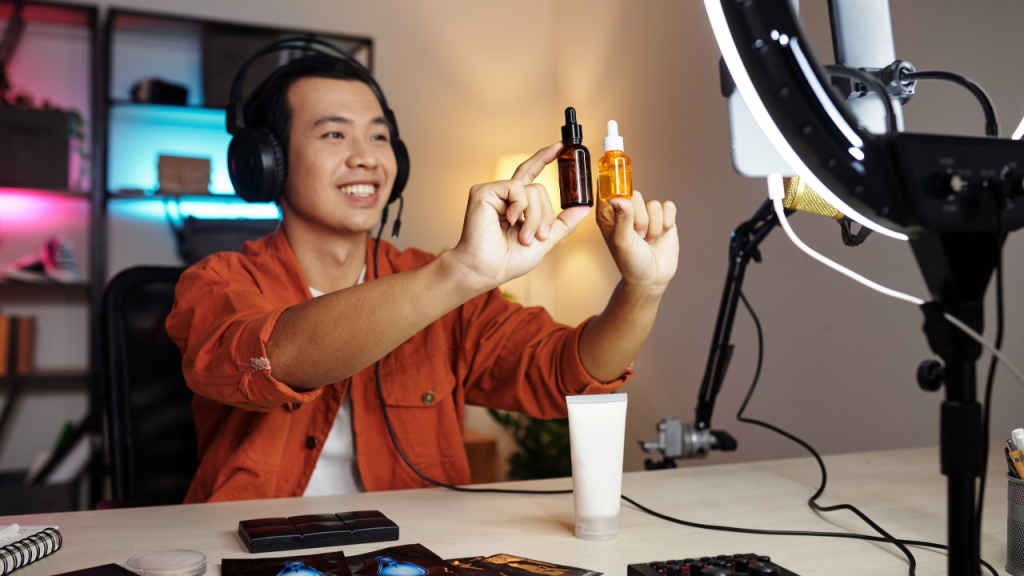
At a crowded event in Mumbai, Flipkart’s Ramesh Gururaja is painting a vivid picture. He’s describing a modular space where creators can film product demos in professionally lit booths that can shift, quite literally, from a Santorini kitchen to a Chennai beach overnight. It sounds part film set, part shopping mall, and entirely unlike anything currently embedded in the Indian commerce experience.
 Survey
“This is physical infrastructure for a digital-first mindset,” says Ramesh Gururaja, Flipkart’s Senior Vice President of Consumer Products and Growth. With over two decades of experience building platforms at Microsoft, Amazon, and Tokopedia, Ramesh isn’t just speculating. He’s one of the rare product leaders who’s helped scale logistics and commerce tech across multiple Asian markets. “We’re building spaces that are dynamic, modular, and equipped with everything creators need to make commerce-centric content – lighting, sets, even tech that makes the booth feel like a film set one day, and a smart home the next.”
Welcome to the next chapter in Indian e-commerce – where shopping isn’t just transactional, it’s theatrical.
Flipkart’s betting on content as infrastructure
According to Gururaja, Creator Cities initiative is Flipkart’s answer to a problem that’s been brewing just beneath the glittering surface of India’s e-commerce boom – discovery. While millions browse and buy online, Ramesh believes the infrastructure to support meaningful, creator-led content hasn’t scaled to its full potential yet.
“If you look at China’s evolution, we’re seven to eight years behind,” he says, referencing the live commerce ecosystems of platforms like Taobao and JD.com. “In India, we have the creators, the ambition, and even the tech platforms. What’s missing is the connective tissue between physical and digital.”

That tissue, in Flipkart’s vision, starts with Creator Cities and extends through smart integrations within its platform. The idea is deceptively simple, outlines Ramesh. Creators produce video content tied to products – say, a red dress or a kitchen appliance – and those videos dynamically show up in relevant search results across Flipkart. But enabling all of that requires a backend symphony.
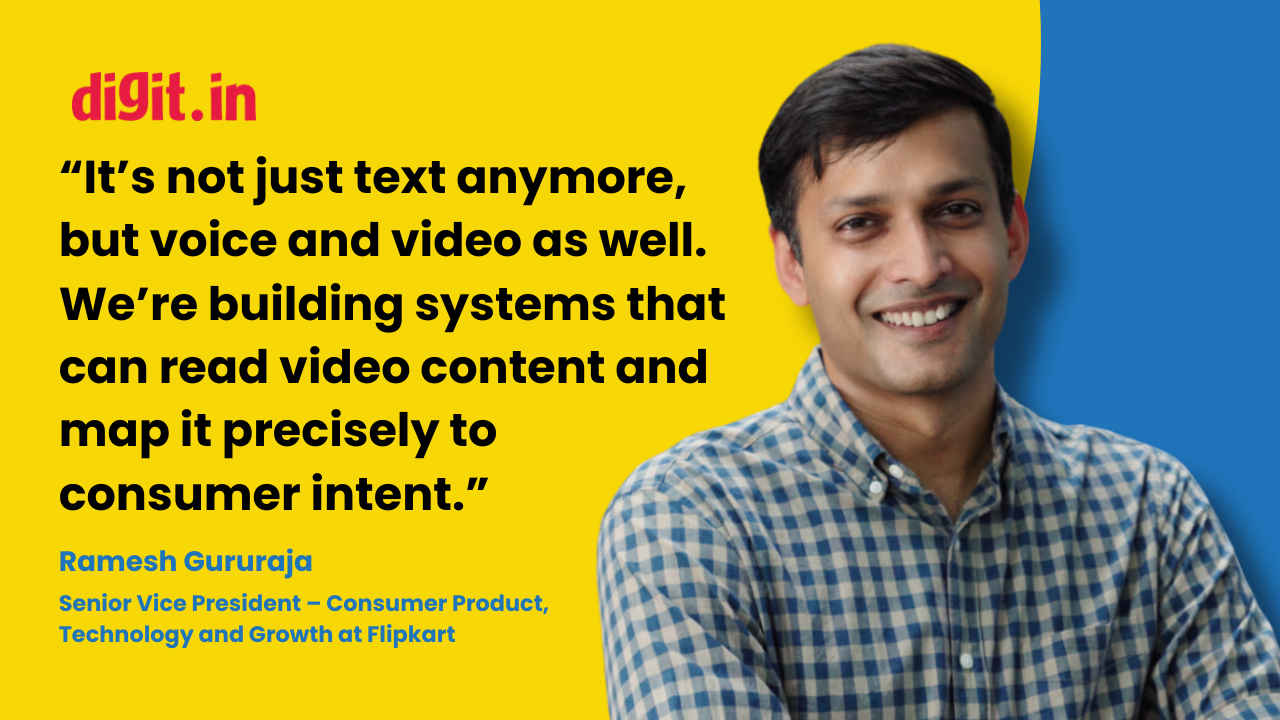
“We need to know, at a metadata level, where exactly in a video a product is being shown or discussed,” Ramesh explains. “It’s not just text anymore. It’s voice, video, and gestures. We’re building systems that can read video content and map it precisely to consumer intent.”
The result of all that tech wizardry will pretty soon lead to a shopper searching for a “non-stick dosa tawa” might not just see images or specs – but a creator demonstrating its sizzle, live. You can’t fault Ramesh Gururaja or Flipkart’s scale of ambition!
Gen Z is watching, driving this shopping shift
While Flipkart’s bet on content creation feels futuristic, it’s being propelled by a very current force, according to Ramesh – India’s Gen Z.
“These are users who care about trends more than brands,” says Ramesh. “They want authenticity. They want relatability. And they want community.”
He breaks it down into three pillars. First, the influence of “genuine content” – not polished ad spots, but creator-driven videos that feel raw and honest. Second, the rise of small-group social commerce, where private friend circles influence each other’s buys. And third, a shift in language – not just regional, but tonal.
“When we say, ‘Your parcel has arrived,’ it’s fine for my dad. But Gen Z? They expect, ‘Yo, bro – it’s here,’” he laughs. “It’s not just about being vernacular. It’s about communicating with the right context and intent.”

Still, Ramesh is quick to clarify that personalization isn’t new, but the format in how it’s being done is evolving. “It’s not just about ‘show me more red dresses because I bought one.’ It’s ‘show me how someone with my body type looks in it, in motion, with context.’ We’re talking about video-first personalization,” he emphasises.
UI, UX and keeping things simple
For a company that serves nearly every postal code in India, building an intuitive interface that doesn’t overwhelm is both art and engineering. “People expect minimalist interfaces. But at the same time, they want every option,” says Ramesh. “So how do you bring joy without clutter?”
Flipkart’s answer lies in streamlining the core shopping flow while also preparing for future social features – like allowing users to shop collaboratively, leave reactions, or share purchases within private groups. There’s also ongoing work to reduce friction in content-heavy modules, especially in areas with low bandwidth.

Also read: India’s refurbished smartphone market booming: Flipkart’s Recommerce Business Head
“We’re no longer worried about basic connectivity,” Ramesh notes. “The bigger challenge is emotional UX. Does the app make you feel good? Do you enjoy the experience?”
The company is also eyeing AR/VR try-ons – albeit cautiously. “For big-ticket purchases like hotel bookings or holidays, immersive media might work,” he says. “But are users going to wear a headset to try on a ₹500 kurti? Not yet. Hardware and app ecosystems aren’t there.”
Engineering experiences at scale
At the heart of Flipkart’s ambitions is a massive engineering challenge, Ramesh points out. How do you keep pace with a market whose preferences change every week, not every quarter?
“We’re not just dealing with a fast-changing consumer. Technology itself is evolving at breakneck speed,” says Ramesh. “Today it’s Gen AI. Tomorrow, it’s a new kind of search interface. We’re sprinting uphill while trying not to drop the ball.”
Ramesh offers a cautionary note on what he sees as the MVP trap. “Everyone talks about minimum viable product. But we should aim for MLP – most lovable product. If the experience doesn’t stick, you’re just another app.” To manage this chaos, his team at Flipkart is trying to narrow the focus.
Ask Ramesh about the ‘India vs Bharat’ debate, and he’s quick to push back. “Gen Z is Gen Z, whether in Bihar or Bangalore. They follow trends, crave social feedback, and are incredibly expressive,” he says.
What’s different is not behaviour – it’s bandwidth, language, and cultural nuance. “In Punjab, a shirt might be worn with flamboyance. In Tamil Nadu, it’s more subtle. We have to reflect that in our UI and product showcases,” he notes. “Our platform has to feel familiar to everyone, without feeling generic to anyone.”
Also read: Alert! Don’t fall for these 4 online shopping scams
Velocity seems to be the theme of my conversation with Ramesh. Not just of tech, or of trends – but of expectations. “What used to change yearly now shifts weekly,” Ramesh says. “And we need to build an organization that thrives in that rhythm.”
From Creator Cities to algorithmic video parsing, from rethinking product listings to enabling a whole new generation of social shoppers – Flipkart’s set its eyes on setting the next benchmark of ecommerce in India. Unlike Amazon India’s content playbook, which hinges on digital-first livestreams and performance-driven influencer storefronts, Flipkart’s Creator Cities model feels like a ground-up reimagining of retail storytelling – not just on an online platform, but actual physical place. Flipkart also recently launched Creator Hood – a tech-driven in-app platform that lets creators engage directly with Flipkart shoppers by producing authentic, shoppable content. Integrated seamlessly into the app, it extends Flipkart’s video commerce ambitions into everyday discovery moments, and aims to help creators across India build sustainable livelihoods through commerce.
Flipkart’s attempt to build modular studios with dynamic backdrops and studio-grade lighting, embedded with AI that tags product moments frame by frame, doesn’t seem limited to just tracking clicks from shopping carts to payment gateways. From what Ramesh Gururaja tells me, Flipkart’s attempting to rally and foster a creator community that learns together, creates content together, and makes shopping feel like social discovery in motion. In that sense, Flipkart’s bet is far more cinematic – and arguably more cultural – than Amazon’s pragmatic livestream lanes.
Ultimately, Flipkart’s betting the next wave of Indian commerce won’t be built in boardrooms or codebases alone, but the most important pieces of the puzzle will come to life in ring-lit booths, by creators who know how to sell a red dress better than a thousand product specs ever could.


