
Bluesky: A rising star in decentralised social networking
 Follow Us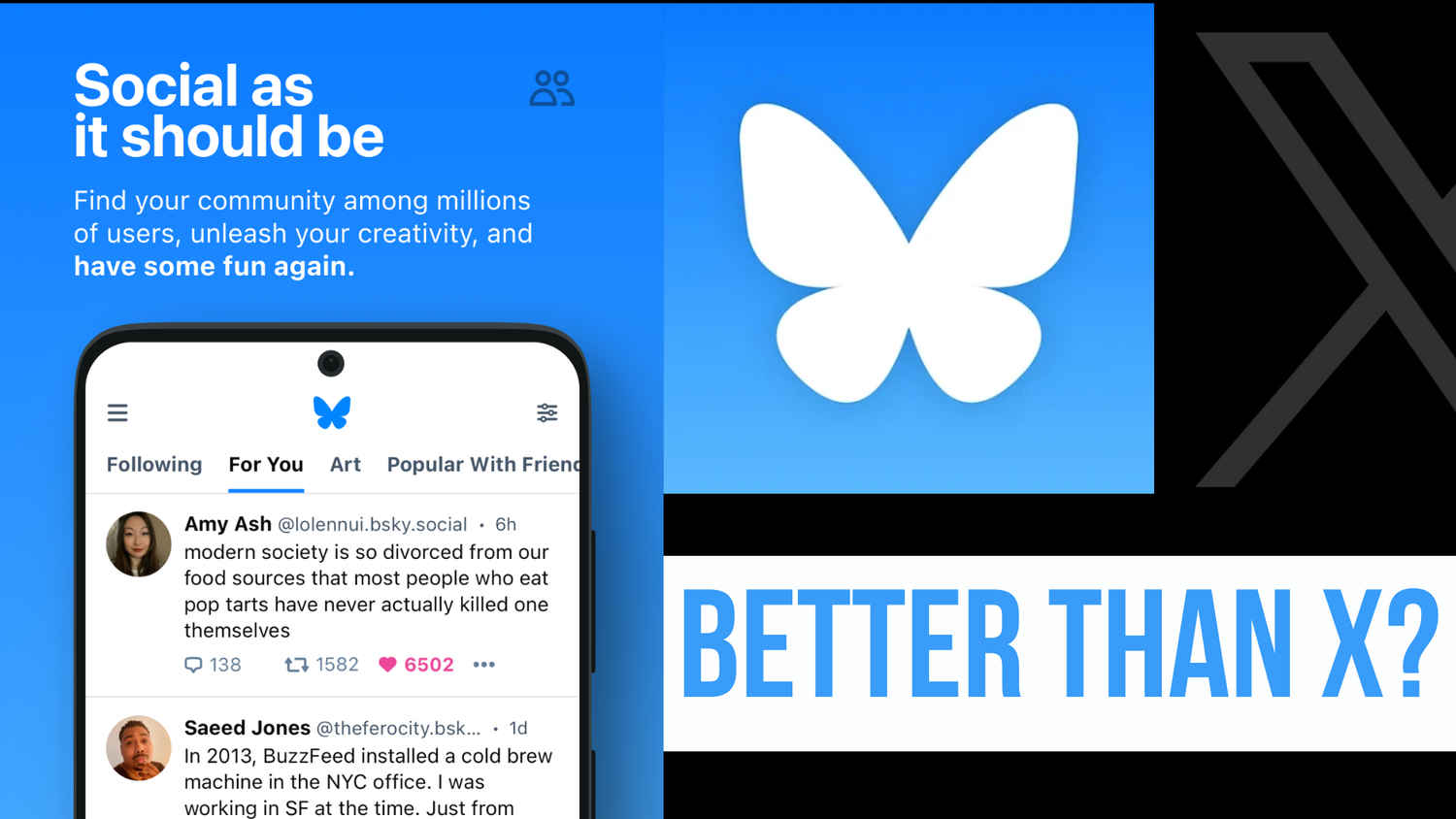

Today’s world is dominated by centralised social platforms, which, more often than not, dictate public opinion across all spaces. Emerging from this cluttered world of insanely long threads and discussions, which trail off into becoming trolling competitions, Bluesky, a decentralised social media initiative by Twitter co-founder Jack Dorsey, has begun carving out its space.
 Survey
Launched as an antidote to the issues plaguing platforms like X (formerly Twitter), Bluesky is built on a framework that emphasises user control, transparency, and interoperability. But what does this mean in practice, and can Bluesky sustain its growing popularity amidst intensifying scrutiny?
Bluesky has AT protocol at the core
At the heart of Bluesky lies the Authenticated Transfer (AT) Protocol, a novel, open-source standard designed to decentralise the social media experience. Unlike conventional platforms, where data and accounts are locked within one ecosystem, AT Protocol enables interoperability among multiple apps, allowing users to migrate their accounts, posts, and even follower lists without starting from scratch.
Three pillars underscore the protocol’s mission:
- Account Portability – Users own their online identities and can move between platforms seamlessly.
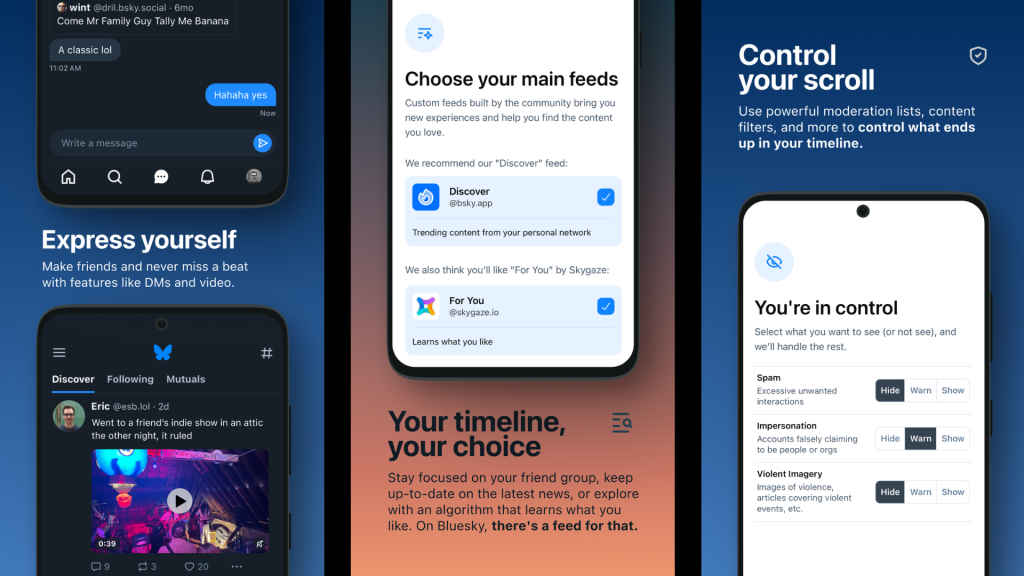
- Algorithmic Choice – Users can select or even design algorithms that dictate how content is displayed in their feeds.
- Composable Moderation – Bluesky decentralises content moderation, letting users, communities, or third-party services define what they see without imposing a single standard for all.
This modular approach is positioned as a counterpoint to centralised platforms like X, where top-down decisions on algorithms and moderation have often drawn criticism for fostering echo chambers and amplifying harmful content.
Also Read: The Musk Effect: From Twitter to X and beyond
Bluesky’s rapid growth was driven by dissatisfaction with X
Bluesky’s recent meteoric rise isn’t occurring in a vacuum. The 2024 U.S. elections, a flashpoint for misinformation and polarising content, pushed a wave of disillusioned X users to explore alternatives. On November 8, the platform reported over a million new sign-ups within a single day, propelled by concerns about X’s increasingly chaotic policies under Elon Musk.
Many defectors cited Musk’s leniency toward inflammatory content and disinformation, along with the platform’s apparent monetisation of divisive trends. In stark contrast, Bluesky’s decentralised approach appeals to users yearning for a digital space governed by community-driven principles rather than corporate interests. As of November 2024, Bluesky’s user base surpassed 15 million – a remarkable figure, given its invite-only model for new registrations. The exclusivity, while limiting initial adoption, may have created a buzz of desirability akin to Clubhouse’s early days.
Bluesky’s user interface feels comfortingly familiar, borrowing heavily from Twitter’s earlier days. The main timeline mirrors the microblogging aesthetic, complete with follower counts, likes, reposts, and replies. This familiarity lowers the barrier to entry, especially for users migrating from X. Yet, under the hood, Bluesky operates very differently. Its decentralised moderation system is a key differentiator, empowering individuals to curate their digital spaces through customisable filters. For example, a user frustrated with overly sensationalist content can simply switch algorithms or block entire domains, tailoring their experience in ways that centralised platforms do not allow.
This user-first philosophy extends to algorithmic transparency, another stark contrast to X’s opaque, engagement-driven model. On Bluesky, the algorithm is just one of many options, offering users unprecedented control over how they interact with the content.
Challenges in scaling decentralisation on a social media platform
Despite its ambitious vision, Bluesky faces several growing pains, some of which are intrinsic to decentralisation.
- Fragmentation Risks – Decentralization allows for diversity in content moderation, but it also risks creating fragmented communities. Without a shared baseline for acceptable behaviour, Bluesky may inadvertently replicate the echo chambers it seeks to dismantle.
- Technical Limitations – Scaling a decentralised network while maintaining security and stability is no small feat. Bluesky’s architecture, though robust, could be tested as the platform grows, particularly under the strain of viral moments or contentious global events.
- Business Model Ambiguity – Unlike ad-revenue-driven platforms, Bluesky’s long-term monetisation strategy remains uncertain. While premium services or partnerships might offset operational costs, relying on them risks alienating users drawn to Bluesky’s non-commercial ethos.
- Gatekeeping Perception – The invite-only approach, while initially building intrigue, has also drawn criticism for fostering exclusivity. If Bluesky aims to democratise social media, opening the gates wider will eventually be necessary – but at the risk of losing its curated community vibe.
Also Read: Android XR: 5 cool things about Google’s new AR-VR operating system
Bluesky vs. X: A philosophical divide
Where X under Musk has centralised control over algorithms and policies, Bluesky’s ethos of decentralisation is designed to empower users. This distinction is not merely technical; it reflects fundamentally different philosophies about how social media should function in society.
While X focuses on profitability and mass adoption, often courting controversy to stay relevant, Bluesky’s slower, community-first approach prioritises long-term trust over short-term gains. However, as a fledgling platform, Bluesky has yet to prove whether this model can sustain itself at scale. Its commitment to user autonomy aligns with broader discussions around digital sovereignty and data ownership, making it a promising case study for the future of social media.
However, its success hinges on striking a delicate balance. Can Bluesky maintain its user-centric ethos while accommodating a rapidly growing community? Will it address the fragmentation risks inherent to decentralisation? And, perhaps most importantly, can it build a sustainable model that resists the pitfalls of traditional platforms?
As a Gen-Z netizen, I find Bluesky’s modularity and transparency refreshing. The ability to shape one’s digital experience feels empowering, especially in an era where platforms often dictate what we see and how we interact. Yet, the platform’s untested scalability and ambiguous business strategy leave important questions unanswered.
What’s the future of Bluesky?
Bluesky stands at a crossroads, embodying both the promise and the pitfalls of decentralised social networking. For disenchanted X users and advocates of digital reform, it offers a compelling vision of what social media could be. However, whether Bluesky becomes a durable alternative or a fleeting trend will depend on its ability to scale responsibly, nurture its community, and innovate without compromising its principles. As users navigate an increasingly fragmented digital ecosystem, Bluesky’s evolution will undoubtedly influence broader discussions about the future of online interaction.


