
Apple’s iPhone 17 Pro Max got approved for the Artemis II moon mission, here’s how
 Follow Us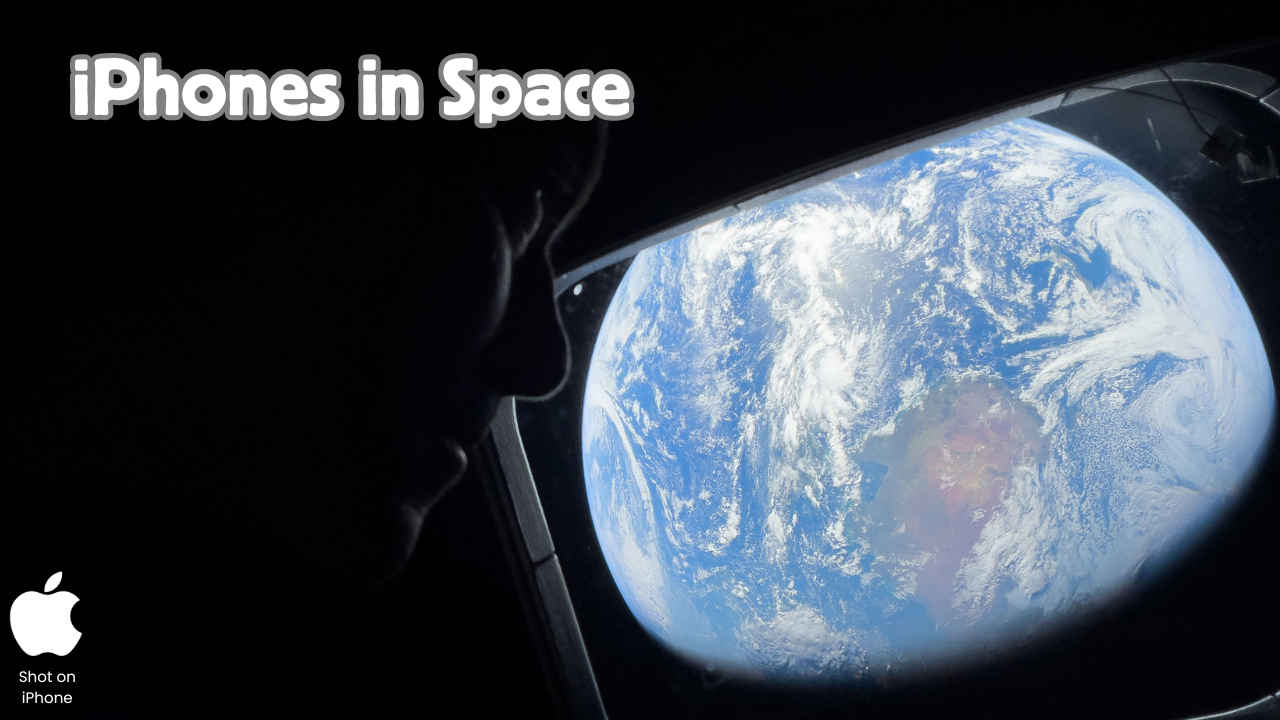

Your iPhone can barely survive a drop from your nightstand but NASA cleared one to fly around the Moon. When the Artemis II spacecraft launched on April 1, 2026 – marking humanity’s first crewed mission to lunar space in over 50 years – each of the four astronauts aboard had an iPhone 17 Pro Max tucked into their flight suit. Not a custom space camera. Not a purpose engineered NASA device. The same phone you’re probably reading this on. Getting it there, however, was anything but simple.
 Survey
Also read: Smartphones, cameras: Artemis II astronauts will use all these tech gadgets on moon flyby
Not your average review
NASA has a notoriously slow hardware approval process – the newest standalone camera on Artemis II is a Nikon D5 from 2016. So clearing a glass-and-metal consumer smartphone for deep space was, as BioServe Space Technologies researcher Tobias Niederwieser put it, “usually pretty involved and lengthy.” The process runs four phases, and the iPhone had to pass all of them.
Phase 1: Safety panel introduction
The phone is presented to a safety review panel as a piece of flight hardware, not a gadget. Every material gets scrutinised: the titanium frame, the adhesives, the display, all the jazz.
Phase 2: Hazard Identification
This is where things get interesting. In microgravity, familiar physics stop applying. A shattered screen doesn’t drop harmlessly to the floor – the fragments float freely around a sealed capsule, posing risks to eyes, skin, and lungs. Battery behaviour under radiation, and whether internal materials might off-gas toxic vapours into Orion’s closed air system, also fall under scrutiny here.
Also read: NASA Artemis II mission isn’t landing on moon: Here’s why
Phase 3: Mitigation planning
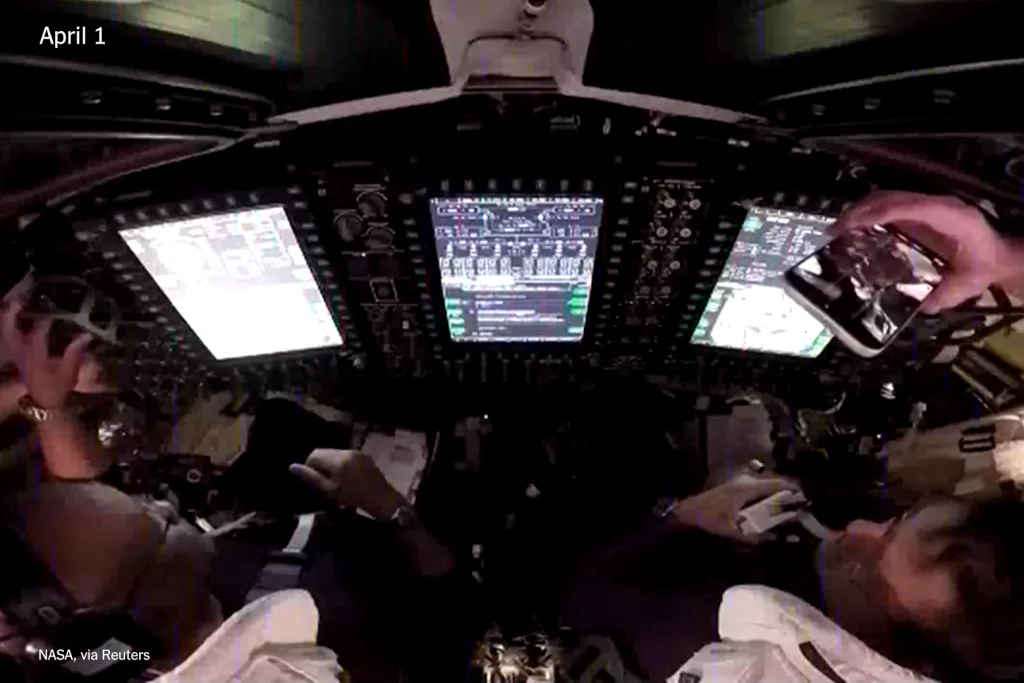
For every hazard identified, NASA needs a plan. For the iPhone, this meant disabling all wireless connectivity – no cellular, no Wi-Fi, no Bluetooth – to prevent any interference with Orion’s navigation systems. Physical handling was addressed too, phones would be secured with Velcro mounts inside the cabin, or zipped into leg pockets on flight suits before launch. So putting on your airpods to listen to spotify was out of the question.
Phase 4: Proof It Works
Plans aren’t enough. NASA then validates that the mitigations actually hold up. The Ceramic Shield 2 display had to demonstrate sufficient durability, and the physical storage solutions had to be tested as genuinely effective.
What it can and can’t do
Once aboard, the iPhones function as high-quality cameras. No internet, no Bluetooth, no FaceTime with the family. The crew has already used them to capture striking images of Earth from deep space, which NASA has been sharing publicly.
Apple, for its part, had no involvement in the approval process. NASA handled it independently. The company did confirm, though, that this marks the first time an iPhone has been fully qualified for extended use in orbit and beyond. So next time your iPhone survives a tumble off the sofa, remember that NASA has higher standards than that. Much higher.
Also read: UWMS explained: Artemis II astronauts will use a $23 million toilet in space


