
Apple and OpenAI’s breakup to lawsuit: What went wrong in their partnership?
 Follow Us

Exactly two years back, Apple provided OpenAI the most precious piece of property that the consumer technology landscape offered: direct access to Siri and iOS. Last week, it accused the very same partner of stealing in a federal court of law. One of the messiest divorces in recent tech history between Apple and OpenAI has been brewing for some time now.
 Survey
Also read: AI has a hidden cost, warns Satya Nadella: What does he mean by that?
WWDC 2024
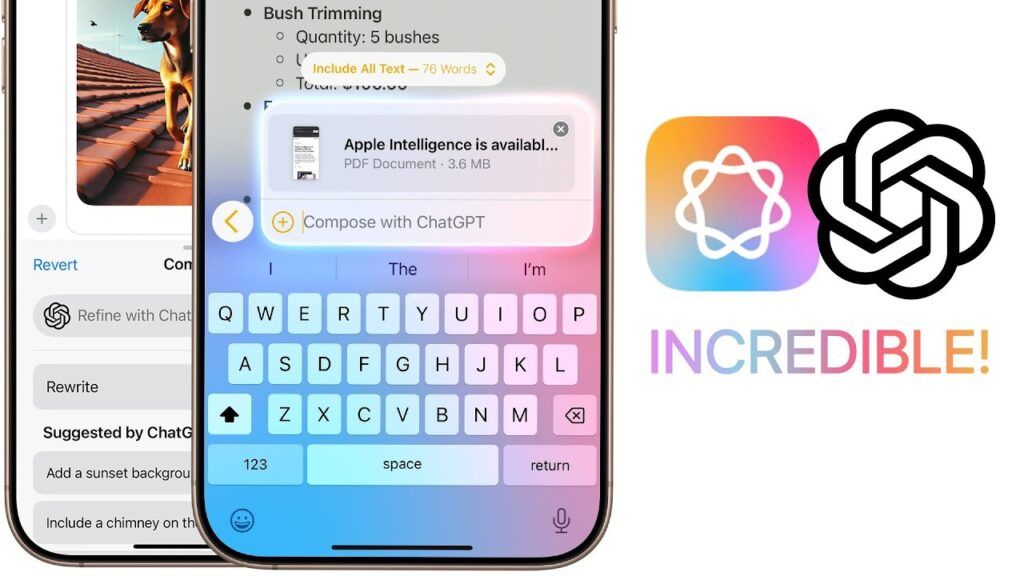
During the WWDC 2024 event, Apple revealed that it was incorporating ChatGPT into its iOS, iPadOS, and macOS products, with Siri utilizing OpenAI’s systems for inquiries that it could not answer on its own. Craig Federighi showcased some use cases such as creating bedtime stories, and Sam Altman made an update on X, saying that he is “very happy to be partnering with Apple.” Apple incorporated privacy protocols where the user needed to give consent before their inquiry could be submitted to ChatGPT, IP addresses would be hidden, and the requests would not be stored. It was distribution on a massive scale for OpenAI; it was a temporary solution for Apple as it worked on its AI products.
Cracks appear
The collaboration was never going to be an equitable one, however, and signs of the discord appeared very early. It was alleged that OpenAI counted on new users signing up and subscribing through the Apple collaboration, but this never came to fruition. OpenAI allegedly felt that Apple failed to promote ChatGPT by hiding it away within complicated Siri prompts rather than giving it more exposure. According to Bloomberg, the company was exploring legal action against Apple for failing to sufficiently integrate and promote its product in May 2026.
However, as Apple was planning its exit route from the collaboration all along, it negotiated with Google to use its Gemini models instead of OpenAI’s in the development of the next version of Siri, something truly rare for two competing AI companies.
Also read: Meta keeps launching AI features that assume consent: Why it keeps backfiring
The hardware pivot
What truly caused the rift was OpenAI’s pursuit of making its own devices. In 2025, OpenAI purchased Io products, the mysterious device maker, founded by former Apple design chief Jony Ive, for a reported $6.5 billion. Tang Tan, 24-year Apple veteran who worked on product design of both the iPhone and the Apple Watch, came onboard as OpenAI’s chief hardware officer. The target is to make an AI-powered device to rival even the iPhone, set to come out some time in 2026. But there was something else that caught Apple’s attention, over 400 ex-Apple employees were working at OpenAI in the past few years.
From tension to trade secrets
Apple filed a lawsuit on July 10 against OpenAI, Tan, io Products, and their former employee Chang Liu in the Northern District of California, accusing them of being involved in a concerted effort to pilfer Apple’s trade secrets. The charges are detailed, and frankly, rather embarrassing for OpenAI. Tan is accused of having used the code names that were used at Apple internally when recruiting, and telling prospective employees to bring “actual parts”, including batteries, logic boards, SIPs to interview sessions for “show and tell”. Chang Liu, according to Apple, retained an Apple laptop despite quitting, and took advantage of a vulnerability in the storage system in order to access confidential documents, which he boasted about in a message sent to a former colleague.
It claims that it had written a letter to OpenAI back in February about these concerns and did not receive any reply at all. Now, the tech giant wants compensation, an injunction, and an order to prohibit OpenAI from misusing its trade secrets precisely at the time when the company is rushing towards the launch of a new hardware product and an initial public offering (IPO).
So far, the only response from OpenAI is: “We have no interest in other companies’ trade secrets.” Interestingly, although io is a defendant, Ive himself is not. This is not just another conflict between two different vendors. It is Apple looking at one of its partners transforming into a competitor in the very category of devices it dominates for more than two decades, and OpenAI trying to launch its hardware brand based on the people who are mostly educated in Cupertino. The end of the partnership between Apple and OpenAI, with ChatGPT in Siri, has come anyway.
Also read: 10 monsoon gadget safety tips everyone should know


