
AMD – TCS Helios architecture explained: What 200MW of dedicated AI compute means
 Follow Us

The announcement of the AMD and Tata Consultancy Services (TCS) partnership to bring the Helios rack-scale AI architecture to India marks a significant hardware milestone for the nation’s technological landscape. Revealed on the opening day of the India AI Impact Summit 2026 at Bharat Mandapam, this collaboration isn’t just a corporate deal but a foundational piece of the IndiaAI Mission. By offering an AI-ready data center blueprint that supports up to 200MW of capacity, the two companies are providing the physical infrastructure required to move India from AI experimentation to sovereign, population-scale deployments.
 Survey
Also read: India AI Summit: MIT’s Ramesh Raskar says AI’s real impact lies beyond tech
The power of rack-scale design
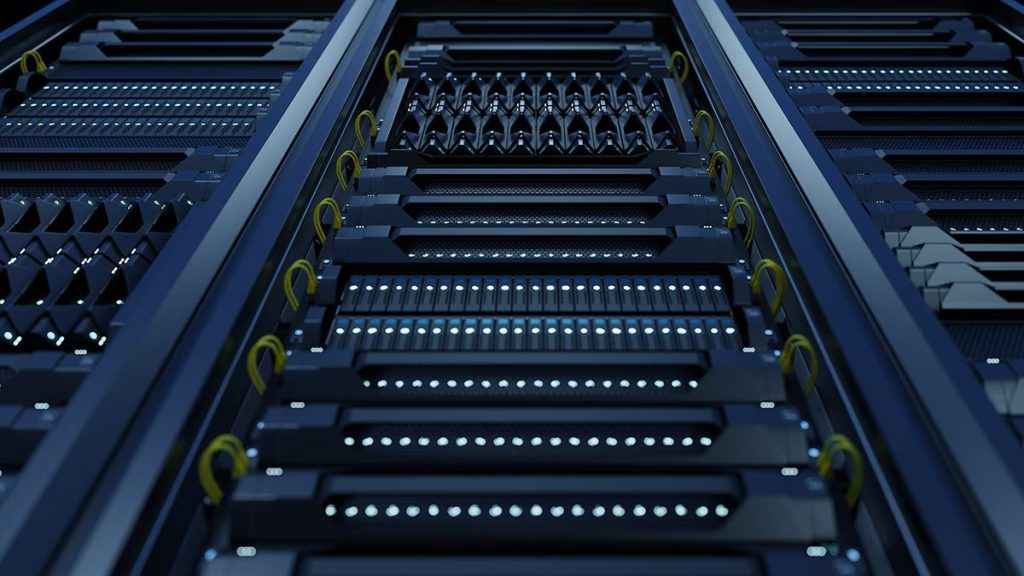
At the heart of the Helios architecture is a high-performance stack designed for the most demanding frontier AI workloads. It is powered by the AMD Instinct MI455X GPUs, which are engineered for trillion-parameter model training and high-volume inference. These are paired with next-generation AMD EPYC “Venice” CPUs and AMD Pensando Vulcano NICs, all unified under the open ROCm software ecosystem. This specific combination allows for a “rack-scale” design, meaning entire server cabinets are optimized as a single unit to deliver massive compute density and energy efficiency. For context, a single Helios rack can deliver up to 2.9 exaflops of FP4 performance, providing a legitimate, open-standard alternative to proprietary GPU ecosystems.
Scaling to 200 MW
Also read: India AI Impact Summit 2026: SAHI, BODH and latest in Indian AI healthcare
The 200MW figure is the most critical part of this “Infrastructure to Intelligence” vision. In the world of data centers, 200 megawatts is a massive power envelope, enough to run several large-scale “AI factories” simultaneously. By establishing this capacity through TCS’s subsidiary, HyperVault AI Data Center Limited, the partnership ensures that Indian enterprises, startups, and government bodies have access to locally-hosted, high-performance compute. This directly supports the concept of Sovereign AI, where a nation’s most sensitive data and critical models are processed on domestic soil, governed by local policy rather than being dependent on foreign cloud providers or international GPU supply chains.
A cornerstone of the AI impact summit
The timing of this launch during the India AI Impact Summit underscores its strategic importance. As world leaders and tech CEOs gather in New Delhi to discuss the “Seven Chakras” of AI, including Democratizing AI Resources and Safe & Trusted AI, the Helios platform provides the actual hardware teeth for these policy goals. While other discussions at the summit might focus on the ethics of AI, AMD and TCS are building the engine that will run India’s future digital public goods, from multilingual services like Bhashini to advanced healthcare analytics, ensuring that the benefits of the AI boom are anchored firmly within the country.
Also read: Future of work and AI jobs: What key Indian leaders predict and warn


