
Future of work and AI jobs: What key Indian leaders predict and warn
 Follow Us
AI will reshape jobs but reward adaptable workers
Upskilling and creativity emerge as critical employability drivers
India must align AI growth with mass job creation

At the India AI Impact Summit 2026, moving beyond code and compute, inevitably the focus moved to something far more personal – jobs.
 Survey
A high-stakes panel on “The Future of Employability in the Age of AI” brought together policymakers, industry leaders and educators to try and answer this million dollar question: what does it mean to remain employable when AI is outperforming human intelligence at scale?
The answers were anything but simple, let me tell you, and some of them were downright uncomfortable.
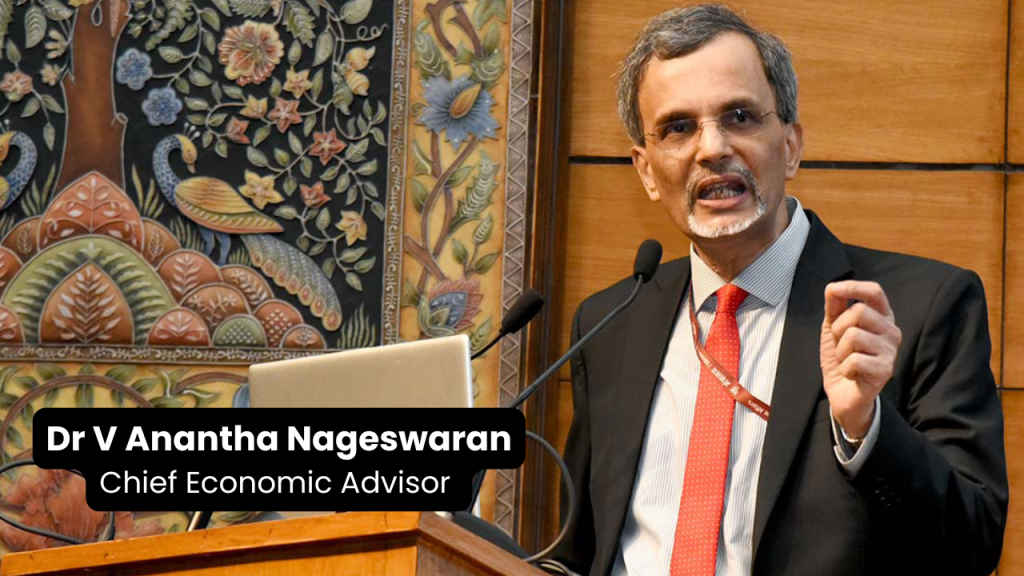
In a virtual address that framed the conversation, Chief Economic Advisor Dr V Anantha Nageswaran argued that AI will either strengthen India’s demographic advantage or undermine it – and that the outcome will depend on deliberate choices, not mere technological destiny.
He warned that the transformation “will not happen by drift,” calling for urgency, and strong state capacity to align AI adoption with mass employability.
Also read: Microsoft’s Puneet Chandok says India must build AI for all
With the right institutional discipline and execution, he suggested India could become “the first large society to demonstrate true human abundance.”
But this future will not emerge automatically. Aligning technological adoption with job creation must become a national commitment, one that extends beyond government into a broader “Team India” effort spanning industry, academia and civil society. In other words, India’s AI story will be written as much in classrooms and policy rooms as in data centres.
A blunt warning on job disruption and adaptability
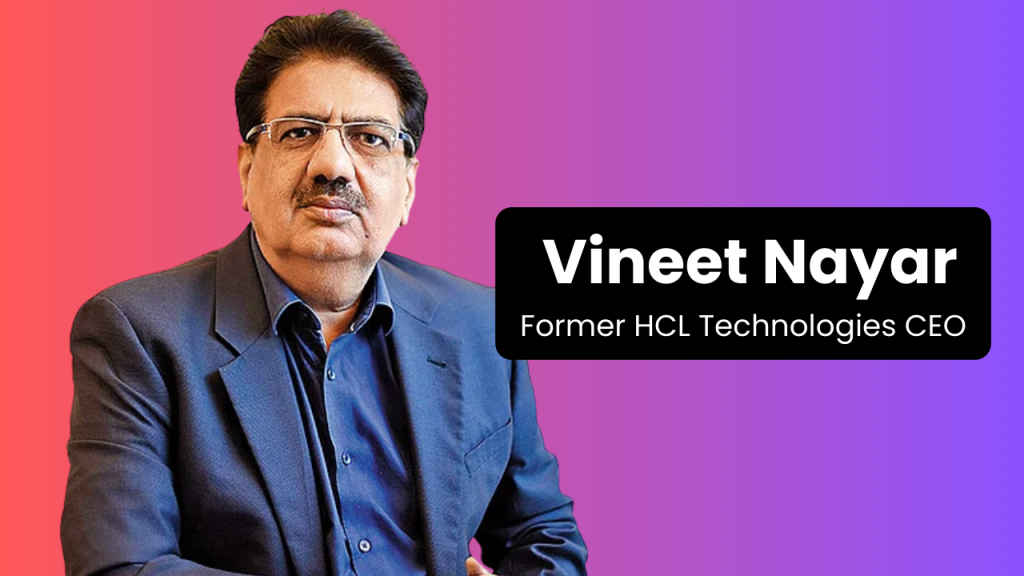
If Nageswaran offered the macro-economic lens, Vineet Nayar delivered the jolt.
The former HCL Technologies CEO and Sampark Foundation founder did not sugarcoat the scale of disruption ahead. “Two things are very evident, that 50% of the jobs are going to go away because they will get automated,” he said, before adding that technology will also create an equal number of new roles.
Nayar argued that traditional corporate hiring will not be enough to absorb workforce transitions. Employment growth, he suggested, will come from “mass-scale startups” and new entrepreneurial ecosystems rather than from established IT services firms alone.
He also flagged a strategic dilemma, highlighting how global AI models increasingly train on Indian data. Without domestic model development and clear data ownership frameworks, India risks becoming a consumer rather than a creator in the AI economy.
While Nayar delivered the starkest forecast, other leaders focused on resilience.
Info Edge co-founder Sanjiv Bhikchandani urged professionals – particularly young entrants to the workforce – to treat AI as a tool rather than a threat. The safest strategy, he argued, is simple: learn and apply AI tools proactively.
EdgeVerve CEO Sateesh Seetharamaiah described AI as a “capability multiplier” that will reshape roles rather than eliminate them outright, pushing enterprises toward more digitally native operating models.
In healthcare, Stanford adjunct professor Dr Anurag Mairal pointed to AI’s potential as a net job creator – particularly in expanding community-based care and access.
India’s employability reset
What emerged from the discussion was not a single forecast but a collective reset. AI will automate sub-skills built during the industrial age while elevating macro-skills such as imagination, systemic thinking and interdisciplinary collaboration.
Education systems will need to be redesigned. Continuous upskilling will become a career constant. And data ownership, domestic innovation and startup creation will shape employment outcomes and not just technological capability.
The real takeaway is that the future of work in India will not be decided by AI alone. It will be determined by how quickly the country aligns policy, education and enterprise to ensure that the world’s largest workforce becomes the world’s most adaptable one.
Also read: From factories to bazaars, what the India AI Impact Summit’s skilling panel is really arguing for


