Microsoft reframes Copilot adoption as cultural necessity, not experimentation
Nadella pushes AI-first mindset to avoid long-term competitive irrelevance
Microsoft’s real challenge is behavioural change, not AI capability
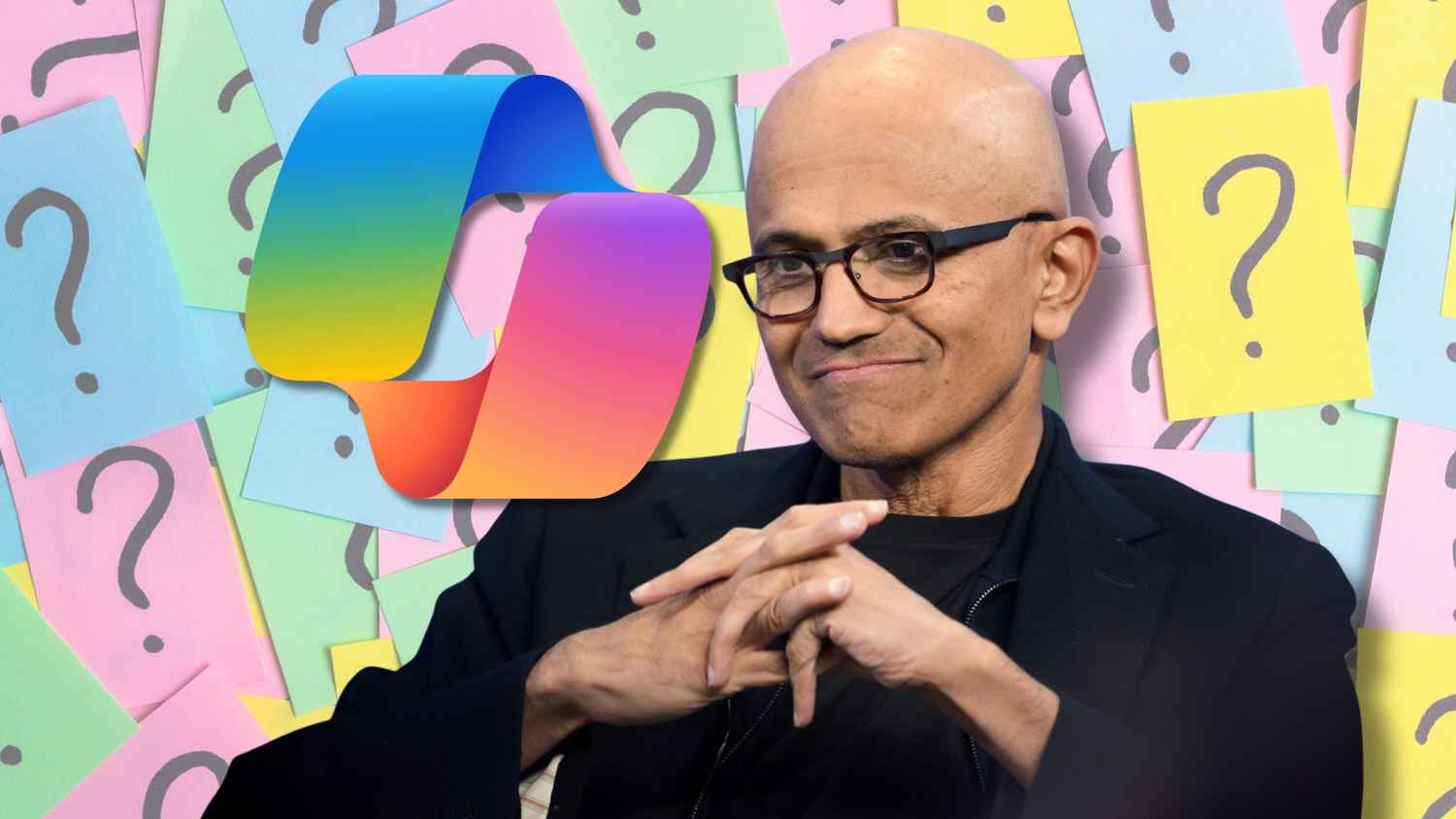
When Microsoft introduced Copilot in early 2023, it looked like the sort of audacious bet only Microsoft could make. Imagine generative AI infused through Word, Outlook, Teams not as a novelty, but as the next operating system for work. Far from being a chatbot alone, Copilot was supposed to be productivity’s quiet backbone.
 Survey
Two years later, the tone inside Microsoft seems to have changed.


This summer, a memo circulated internally from Julia Liuson, president of Microsoft’s Developer Division, that landed with unusual bluntness. “Using AI is no longer optional – it’s core to every role and every level.” According to reports, managers were instructed to factor employee adoption of internal AI tools, especially Copilot, into performance reviews.
The message was telling. Adoption isn’t where leadership expected it to be.
On the surface, Microsoft’s AI story looks healthy. The company’s Copilot Usage Report 2025 analyzed millions of interactions and painted a picture of steady engagement, with Copilot embedded across daily tasks – from drafting emails to organizing work and even handling personal queries.
But that report doesn’t tell the full picture, that Copilot is thriving in pockets – power users, IT teams, developers. Its broader, more habit-forming adoption remains stubbornly elusive. It’s being used, yes, but not yet lived with the same way ChatGPT is currently, according to Bloomberg.

Also read: Microsoft brings free Copilot Chat to Word, Excel, PowerPoint, and more, but there’s a catch
From the outside at least, Microsoft’s rivals seem to be more agile. OpenAI’s ChatGPT continues to rack up hundreds of millions of users globally, turbocharged by newer models and features that dominate cultural conversation. Google’s Gemini is quietly embedding itself across Search and Android. Against that backdrop, Copilot – despite its deep Microsoft 365 integration – hasn’t captured the same mindshare beyond enterprise circles.
Which helps explain why Microsoft is now pushing internal adoption so hard. If employees don’t instinctively use Copilot to think, write, plan, and build, how can Microsoft credibly sell that future to customers?
At the center of this recalibration is Satya Nadella. The CEO who remade Microsoft around cloud and platforms is now all-in on AI. I don’t think Nadella is worried that Copilot is failing, I think he’s worried about something bigger which is user relevance.
The contrast with ChatGPT is revealing. Where ChatGPT is cultural, Copilot seems largely contextual. Where ChatGPT dominates AI chatbot conversations across browsers, apps and devices, people think about Copilot only when they’re inside their calendars or documents – and that too not as much to the extent Microsoft would probably like. Clearly, it looks like changing how people work is harder than tweaking how they chat.
For Nadella, though, relevance is about ensuring Microsoft doesn’t miss the moment when AI becomes the default way work gets done. Copilot is the most visible expression of that bet – but internally, it’s also a litmus test.
Also read: Microsoft wants to make Notepad like ChatGPT, releases new update
 Follow Us
Jayesh Shinde
Executive Editor at Digit. Technology journalist since Jan 2008, with stints at Indiatimes.com and PCWorld.in. Enthusiastic dad, reluctant traveler, weekend gamer, LOTR nerd, pseudo bon vivant. View Full Profile


