

AI bubble crack: Why major tech companies are under crazy pressure
 Follow Us


As recently as two weeks ago, both the Nasdaq and the S&P 500 were hitting record highs. Then, the Nasdaq dropped 7.8% below that high point and had just had its worst month since March 2025. The chips took a bigger hit, dropping nearly 13.6%, as of 26 October, with the Philadelphia Semiconductor Index. After its earnings report, Meta followed suit, while investors have been switching to more defensive sectors such as consumer staples and treasury bonds. This is definitely not something that would happen if markets felt good about AI. So has the bubble burst? Not sure yet, and nobody is sure, as any other answer means that they are trying to sell a newsletter. What is for certain, is that there are several factors putting pressure on the market.
 Survey
Also read: Deepinder Goyal’s Temple is up for pre-order at Rs 85,000, but what are you actually buying?
Nvidia
Almost every single AI platform is powered by Nvidia hardware, and whenever there are questions about the buildout, Nvidia is the first one to get involved. Nvidia stock fell by 4.4% to close at $212.21 on 22 October, with the chip sell-off taking Nasdaq down.
But Jensen Huang is not worried at all; he believes the positive effects that AI will bring in the future will outweigh the concerns of today’s investors. And Jensen Huang is the CEO of Nvidia, so being happy is his job. Nvidia continues its work. In Berlin it presented the reference design of its Vera Rubin AI factories, which, according to the company, can be installed within 14 days rather than 6 months.
Alphabet
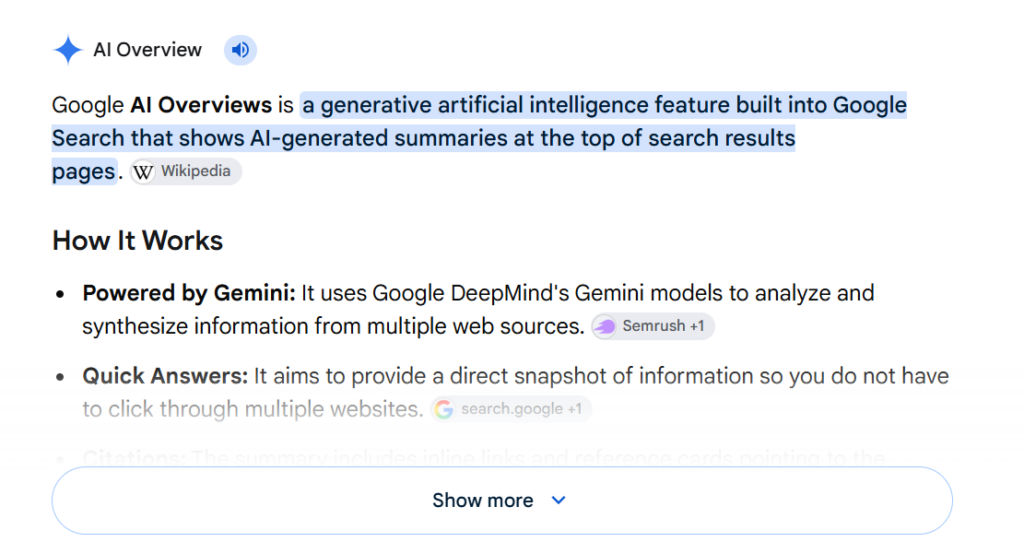
Irony at its best – AI-first approach by Google is successful and the growth in queries has reached the highest level in five years. Meanwhile, shares of Alphabet lost about 12% in just one trading day to around $285, along with the loss of over $500 billion in market cap.
Also read: AI is changing classrooms, helping students learn, experiment and build real-world solutions
The explanation is simple – AI Mode, which everyone loves, has lower CPM than the traditional search does. Direct response means no additional clicks and no reason to be paid by advertisers. The head of business operations blamed AI Mode for the growth reduction, and ad revenue growth reduced to 12%. The solution is to increase the number of ads within AI Mode, implemented globally. Just what you would expect from an assistant!
Microsoft
Same AI surge, but a different mood. The stock of Microsoft rose after reporting profits because the revenue generated by Azure increased 48 percent year-over-year to reach $33.17 billion. Capital expenditure increased to over double that of the previous year reaching $39.37 billion, but free cash flow remained positive, thus the forgiveness.
However, it has not always been easy. At the beginning of the year, there were questions related to Copilot’s inability to keep pace and economic factors related to the deal with OpenAI. The company sells AI infrastructure along with applications which makes it the best example of how AI is affecting the software industry. This year, the response was on the infrastructure front.
CoreWeave
The company, CoreWeave, leases out computing power to AI firms. If the demand for AI is a party, then CoreWeave has acquired the speakers on margin. In October mid-month, CoreWeave’s stock fell by about 12% in one trading session. One analyst dubbed neoclouds the “subprime tranche of the AI trade,” which means it will be the first to liquidate during tough times.
The market of debt is tense as well. As reported by The Motley Fool, the yield on CoreWeave’s 2032 bond hit 15%, an indication of increased default risk. AI computing demands are legitimate. The problem is funding that hardware.
ServiceNow
ServiceNow provides business process software for enterprises, which is precisely what the AI bots are meant to replace. Its stocks fell by 27% last Thursday, marking their worst performance ever, because the company’s earnings came up short of the expectations.
Just a little bit. Since February, the software industry has been on pins and needles, following the introduction of the new AI technology that automates the processes of legal, sales and marketing departments. The disappointment in October was not big, but when investors have already doubted that their product could be substituted, even a little disappointment hits hard.
Also read: Why Alphabet shares crashed: How Google AI Mode is eating into search ad revenue


