
AI and cybersecurity: Trump delays govt action, as tech leaders give warning
 Follow Us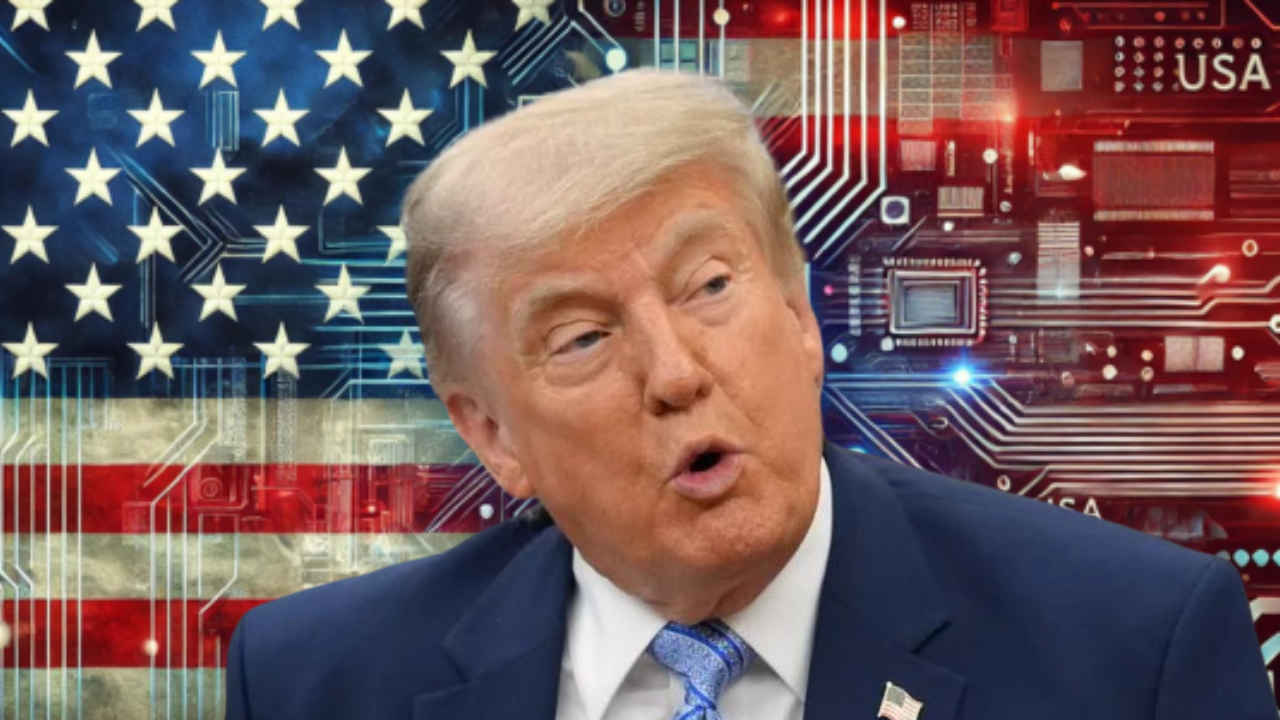

On Thursday, the White House’s much-awaited executive order on AI and cybersecurity plans suffered a dramatic change of fortune and was withdrawn from the schedule of events just before it was to be signed.
 Survey
Also read: OpenAI made more money than Anthropic, but ChatGPT growth has stalled
According to sources privy to the discussions at the time, the decision came down to the same old reasons. For one thing, “he just hates regulation,” and his advisor for AI, David Sacks, had the same sentiment. Furthermore, the order was seen as unnecessary, as well as something desired by the “doomers.”
“I didn’t like certain aspects of it. I postponed it. I think it gets in the way of – you know, we’re leading China, we’re leading everybody, and I didn’t want to do anything to get in the way of that lead,” President Trump himself explained.
The president received several phone calls in the process, with CEO of Meta Platforms, Mark Zuckerberg, and CEO of xAI Corporation, Elon Musk, both reaching out to the president from Wednesday evening to Thursday morning.
This left the group who wanted this executive order in a tough spot. Those who were trying to push for AI regulation in Washington were happy that at least the White House was about to act on AI cybersecurity safety. However, it remains unclear when and if this will occur.
Also read: From 95% to zero: Jensen Huang admits Nvidia has lost China’s AI chip market to Huawei
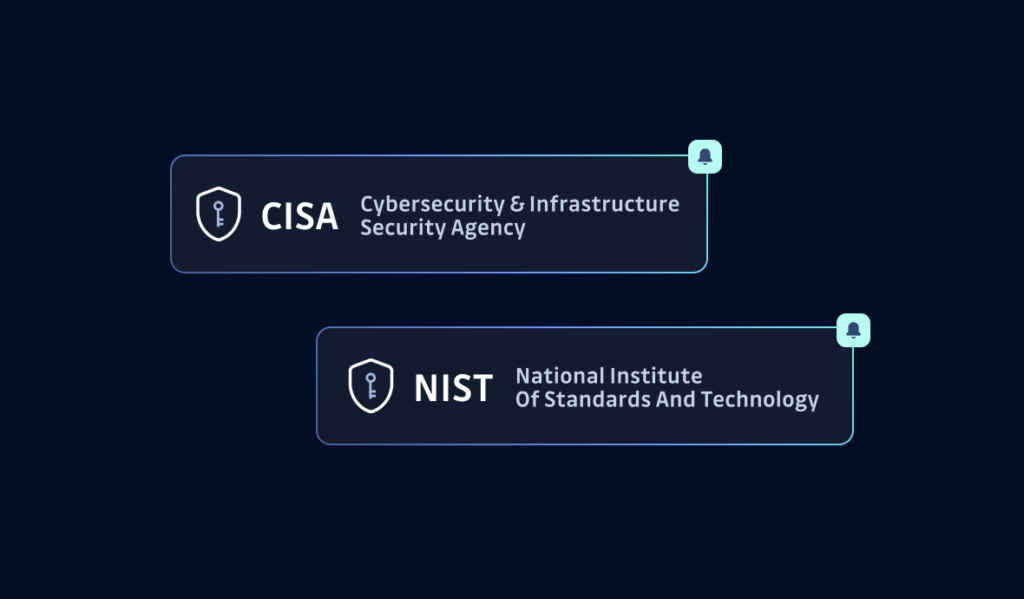
However, there were several other issues associated with this executive order that were never fully resolved. Firstly, there were concerns regarding the role that the Treasury Department played in organizing responses to security vulnerabilities. Traditionally, this issue has always been handled by the Cybersecurity and Infrastructure Security Agency and the National Institute of Standards and Technology. According to one person in the tech industry, it is simply unclear why the Treasury Department should have such a prominent role and what qualifications they possess in terms of this problem.
Moreover, there were certain technical issues as well. Even though frontier AI models are tested voluntarily by the Commerce Department via its Center for AI Standards and Innovation, some were worried that sharing information on this model for up to 90 days prior to the release of this product would prohibit the same process in allied countries interested in similar safety checks.
The broader context, of course, is one where the White House has found itself in the position of having to juggle two conflicting forces: the desire to see US-based artificial intelligence companies thrive and succeed in international competition while coping with increasing public anxiety regarding the direction AI is heading in. Trump has been caught between the need to allow AI companies to thrive unimpeded by regulation and the rising tide of anti-AI sentiment among the populace and even his own party.
This doesn’t mean that more will not come. The White House Office of the National Cyber Director is already developing new initiatives for improving AI security separate from the defunct executive order, meaning that something will likely come out of all this.
Also read: Mini LED vs OLED vs QLED vs Micro LED: TV display technologies explained


