
Epic is rebuilding Unreal Engine from the ground up: Here’s everything that’s changing with UE6
 Follow Us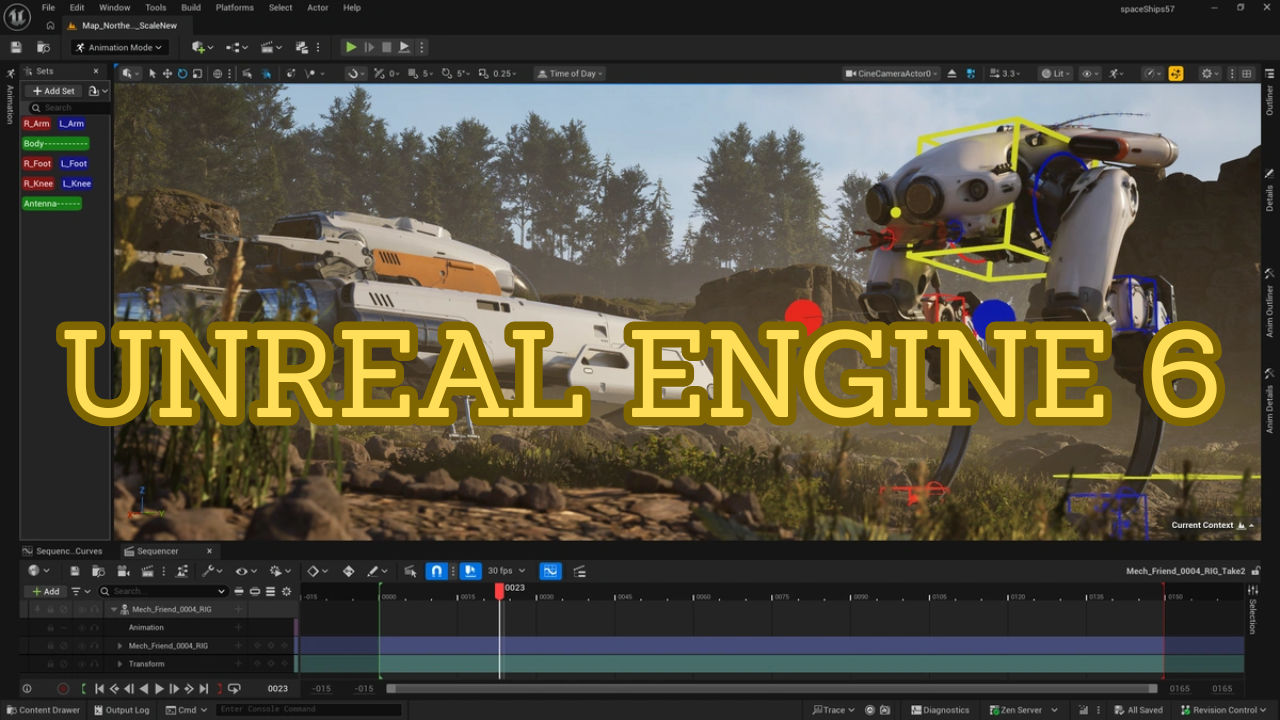

Unreal Engine has been the backbone of Fortnite, Borderlands, Black Myth: Wukong and many other games so whenever Epic announces an update for it, it is usually something worth taking a look at. Today Epic spoke not just about the latest update to UE5 but also had an entire post focusing on the direction they are taking for UE6 and I think it would be fair to say that they are mixing things up with this one for sure.
 Survey
Also read: Not just design: Marvell’s Navin Bishnoi on next chapter of Indian semicon and AI datacentre story
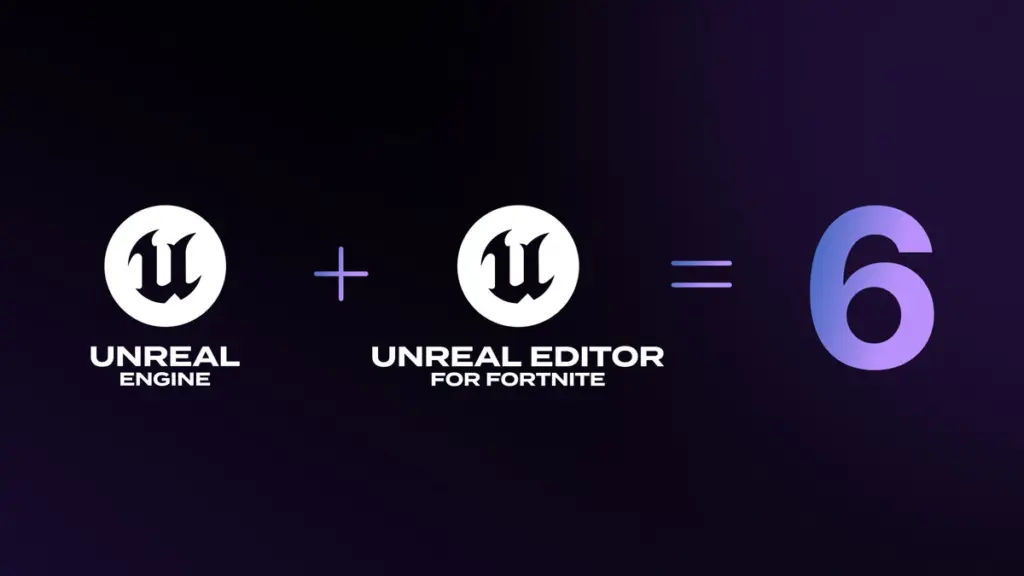
UE6 is not going to be just an incremental upgrade – it is the merging of two engines that have been running parallely for years. UE5 and Unreal Editor for Fortnite (UEFN), which Epic has been battle-testing inside one of the most-played games on the planet, are being brought together into a single unified product. If you have been following UEFN at all, you already have a preview of where UE6 is headed.
The biggest shift is in how games are actually programmed. Epic is ditching the existing C++ Actor framework as the primary programming model and replacing it with something called Scene Graph, built entirely on a new language called Verse. Before you panic, Verse is designed to feel familiar to anyone who has worked with Python or C#, but it does something that no mainstream game engine language really does today: every function runs as an atomic transaction. What that means in practice is that game logic can be rolled back and resimulated automatically when something goes wrong, which becomes incredibly powerful when you start scaling up to massive multiplayer worlds. Epic also wants to eventually distribute Verse code across multiple servers automatically, so a developer could write their game as if it runs on a single machine while the engine handles the server-side complexity in the background. Save states, which have traditionally required separate database infrastructure, would become as simple as declaring a global variable.
Also read: AI is beating human doctors in two key areas, and it’s a good thing
On top of the programming overhaul, Epic is pushing hard on content portability. The goal is for assets, logic and even in-game economies to work across different games and engines using open standards. Fortnite cosmetics are the first test case, with Epic planning to let players use their entitled Fortnite outfits in third-party games and vice versa. It sounds like a Fortnite feature but Epic is framing it as a proof of concept for a much larger idea: a shared economy of smart assets that travel with players across an interconnected ecosystem of games.
The third pillar is AI integration, with Epic exposing engine capabilities through the MCP protocol so developers can plug in models like Claude or Codex directly into their workflow. The targets are the tedious parts of game development: rigging, skinning, lighting setup, level population — the stuff that eats time without necessarily requiring a lot of creative judgment.
UE6 Early Access is targeted for the end of 2027. Actors and Blueprints will still be present in early versions to ease the transition, but make no mistake, Epic is not just updating the engine. They are rethinking what a game engine is supposed to be.
Also read: India at G7 2026: Access to frontier AI models key to fight cyber threats


