
WhatsApp ads: Annoying but inevitable, a huge test for Meta
 Follow Us
WhatsApp begins showing ads in Updates tab, sparking privacy and trust concerns among users
Meta promises encryption stays intact, but user data sharing could raise red flags
Meta's move could either expand revenue or drive users toward rival messaging apps

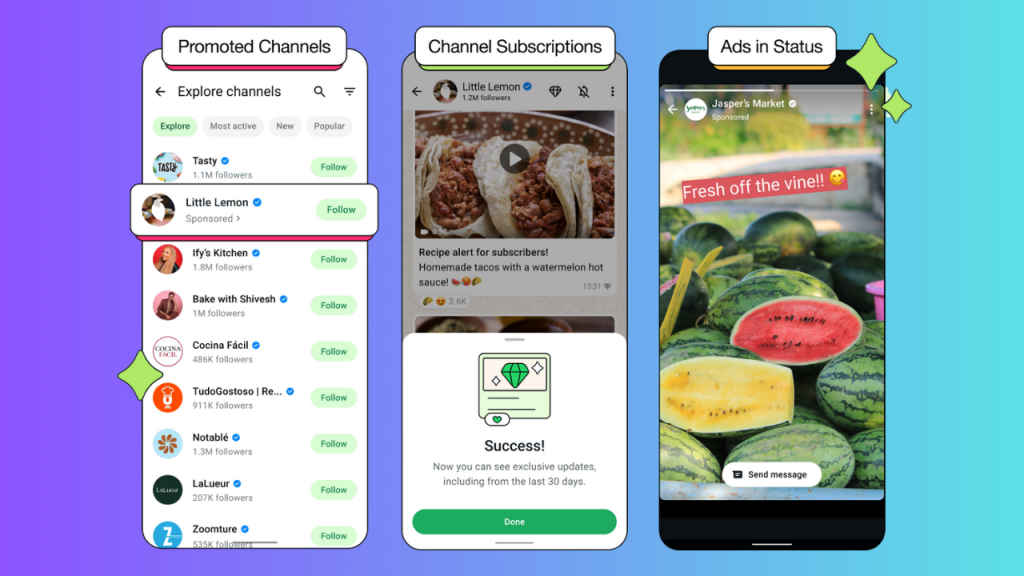
The day finally arrived quietly, but unmistakably, when the official announcement regarding WhatsApp no longer being the ad-free sanctuary we’ve come to know for over a decade went live. While I’ve seen several upgrades to WhatsApp since I started using it all those years ago, when it even had a ₹99 annual price (which was removed in 2016) that most users may not remember, this latest upgrade is something I would’ve happily avoided. Where advertisements will now quietly slip into view in the “Updates” tab of WhatsApp, where Statuses and Channels live.
 Survey
It’s the moment many of us saw coming, given WhatsApp’s immense scale, and yet it still feels strange.
Also read: WhatsApp is finally getting ads but there is a catch
I remember when WhatsApp was the rebel among Meta’s empire, a chat app where the promise of “no ads, ever” felt sacred. That was never going to last forever, in hindsight. With nearly 3 billion users worldwide, WhatsApp has long drawn a bullseye on its back. Meta needed more ad inventory, since Facebook and Instagram are all but maxed out. And so it had to be WhatsApp’s Updates tab, which is used by roughly 1.5 billion people daily, which now transforms into Meta’s next revenue source.
In an attempt to not totally annoy WhatsApp’s existing user base, Meta has tried to strike a soothing note – reassuring users they have nothing to worry about, in a blog post. Their private WhatsApp messages stay untouched, chats continue to remain encrypted, as ads will only show up around Statuses and Channels. Targeted ad data will only rely on country, language, followed Channels, general device info – nothing related to any WhatsApp user’s personal, private likes or dislikes. Sounds reasonable on paper, right?
I can’t help but think of WhatsApp’s co‑founders – Jan Koum and Brian Acton – who left bitterly over this long impending pivot. Koum once famously wrote in an official WhatsApp blog (in 2012) how he considered advertising isn’t just the disruption of aesthetics in a chat app, but an “insult to user intelligence and the interruption of your train of thought.” Were they naive, or prophetic? Either way, their absence now feels telling.
So yes, those first ads will likely feel as jarring as unwanted spam in your inbox. It’ll be weird when a branded post interrupts the story of your best mate’s weekend trip. In time, though, we’ll adapt – as we always do. Instagram’s “Stories,” Snapchat ads, even meme feeds – what once felt intrusive, we now just scroll past. But this pivot puts Meta’s reputation on the line in a louder way.
Meta’s own track record offers little comfort. Facebook’s string of data scandals – from Cambridge Analytica to third-party app tracking – means user trust isn’t just brittle but at an all time low. Many users migrated to Signal and Telegram precisely in search of refuge from that baggage. Now WhatsApp risks becoming the place that broke the pledge.
In all of this, I guess what it all boils down to is the following: Can Meta walk this line – monetize without undermining trust? If these ads stay discreet, confined to Updates, and WhatsApp holds firm on encryption and data compartmentalization, people may shrug and carry on. But if ad targeting overreaches, if metadata starts to leak, or if cross-platform profiling feels too invasive, we could see a tidal shift. Telegram’s download numbers didn’t spike out of nowhere.
I’d argue Meta is desperate enough to extend its dominance. The company’s Q1 results hinted that ads on Instagram and Reels are peaking – WhatsApp is the next frontier. If engineered well, ads in WhatsApp will obviously help with Meta’s bottomline. But if mishandled, it could fracture their messaging kingdom.
As a user, I’m preparing for a moment of personal recalibration. Whenever ads do go live in WhatsApp for India, I’ll probably flick through the occasional ad in Updates. But if I ever feel my private chat space is being surveilled – or if those algorithmic suggestions are turning too personal – I won’t hesitate to jump ship.
In that way, WhatsApp ads feel like a make-or-break moment – not just for Meta’s revenue stream but for its overall credibility. It’s easy to monetize 3 billion eyeballs, but it’s harder to do it without eroding trust that years of data breaches, policy fights, and lawsuits have already strained.
I want to believe Meta understands the fragility here. But all I know is, I don’t want WhatsApp to feel tainted. Because when we cross that line – when every chat might be touched by an algorithm – that’s the moment your sense of deep and intimate connection with a piece of tech can feel irreversibly broken.
Also read: OpenAI rolls out ChatGPT image generation tool to WhatsApp: Here’s how you can use it


