
Motorola Signature vs Oppo Find X9: Which flagship makes more sense in 2026?
 Follow Us

If you look at any Rs 60,000 to Rs 70,000 flagship in 2026, most of them look good on paper. Big AMOLED screens, top-end processors, fast charging, and capable cameras are now a given. That’s why buying a phone in this segment has quietly become harder, not easier. The real difference doesn’t show up in spec sheets or launch-day excitement. It shows up after a few months, when the novelty fades, and the phone has to live with you every day. Things like software behaviour, battery consistency, camera reliability, and simple comfort start to matter more than raw numbers. That’s exactly where the Motorola Signature and Oppo Find X9 begin to feel very different. One is clearly built around long-term ease and balance. The other focuses on refinement, endurance, and tuning. On paper, they don’t look that far apart. In daily use, the priorities become much clearer.
 Survey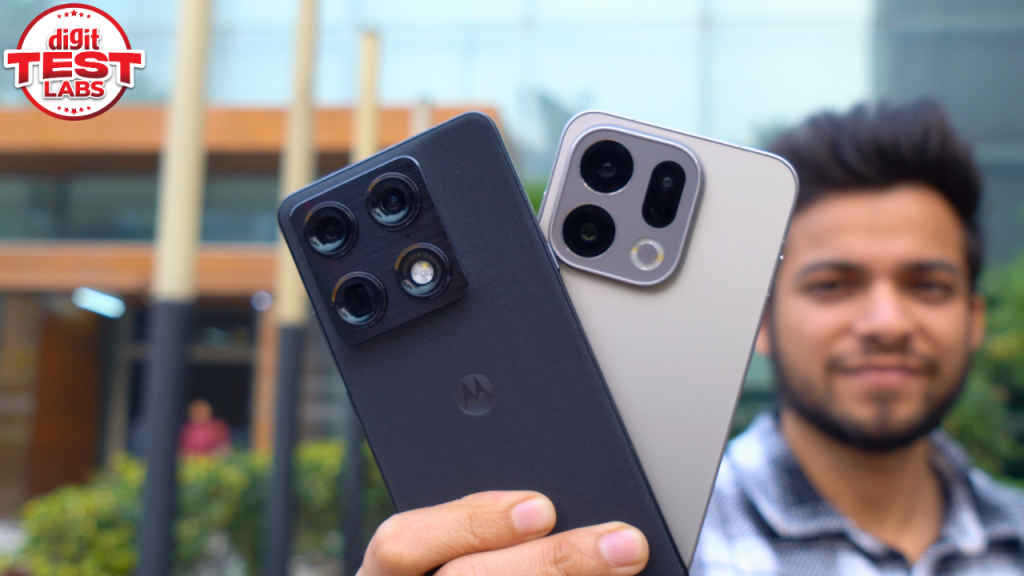
Design and in-hand feel
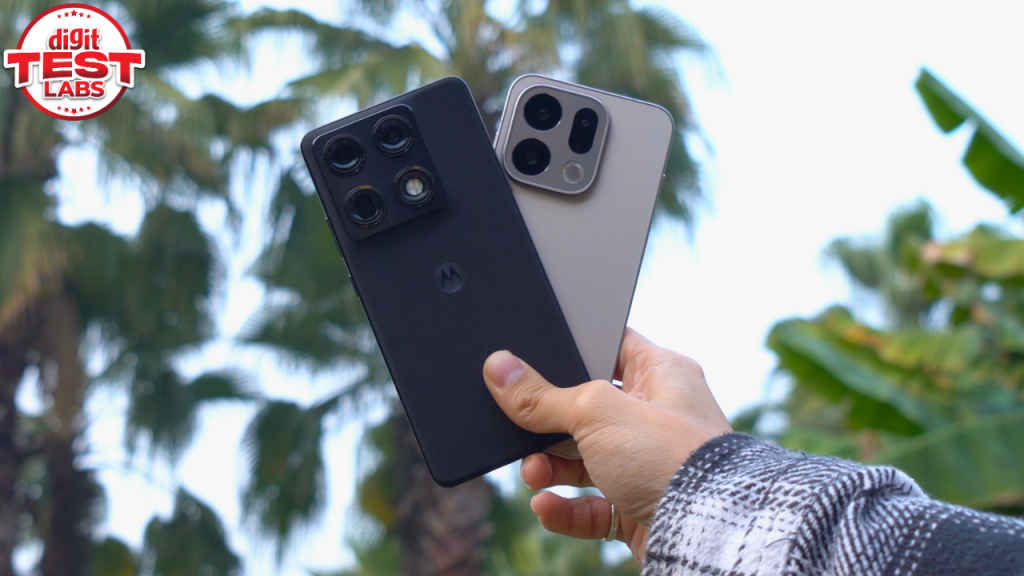
The Motorola Signature immediately stands out because of how thin and light it feels. At just 6.99 mm thick and 186 grams, it feels noticeably sleeker than most phones in this class. The linen-textured back is a nice touch. It doesn’t pick up fingerprints easily and feels comfortable during long use. Motorola has also handled the camera housing smartly. Instead of a sharp camera bump, the back gently curves into the camera module. This makes the phone feel smoother in the hand and reduces wobble on flat surfaces. You get an aluminium frame, Gorilla Glass Victus 2 on the front, IP68 and IP69 ratings, and MIL-STD-810H certification. In simple terms, it feels slim but is still tough enough for daily life.
The Oppo Find X9 goes for a more practical design. Flat sides, softly rounded corners, and a matte glass back make it feel solid and balanced. The squarish camera module sits neatly in the top-left corner and doesn’t draw too much attention. At around 8 mm thick, it’s still slim for a flagship phone, but not as slim as the Motorola Signature. Oppo has also replaced the alert slider with a customisable Snap Key. Some users may miss the old slider, but the extra flexibility does grow on you over time.
Display experience
Both phones have excellent displays, but they are tuned for different tastes. The Motorola Signature uses a large 6.8-inch LTPO quad-curved AMOLED panel with 1.5K resolution and up to a 165Hz refresh rate. It feels very smooth in everyday use. Scrolling is effortless, animations are fluid, and gaming feels responsive. As per our Digit Test Labs, peak brightness reaches around 2,450 nits, which is more than enough outdoors. Colours look vibrant, though there is a slight push towards cooler tones. It’s a punchy display that looks impressive at first glance.
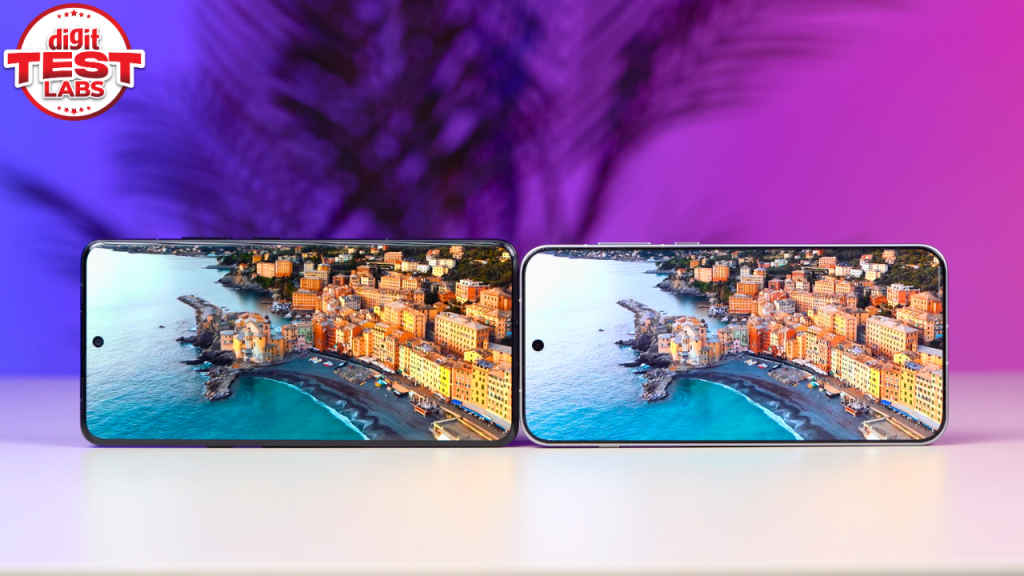
The Oppo Find X9 comes with a slightly smaller 6.59-inch flat AMOLED display with a 120Hz refresh rate. It’s easier to handle and feels more practical for daily use. Brightness crosses 1,300 nits in manual mode and can push close to 3,000 nits with adaptive brightness. Where Oppo really shines is tuning. Colours look restrained and accurate. Skin tones appear natural, whites stay neutral, and nothing feels overdone. It may not look as dramatic as the Motorola at first, but it’s easier on the eyes over long periods.
Performance and daily use
Both phones are proper flagships when it comes to performance. The Motorola Signature runs on the Snapdragon 8 Gen 5, while the Oppo Find X9 uses the Dimensity 9500.
On AnTuTu, the Motorola Signature scored around 3.1 million, while the Oppo Find X9 came in higher at roughly 3.44 million. In Geekbench, the Signature recorded 2892 in single-core and 9498 in multi-core, whereas the Find X9 posted 3142 in single-core and 9721 in multi-core.
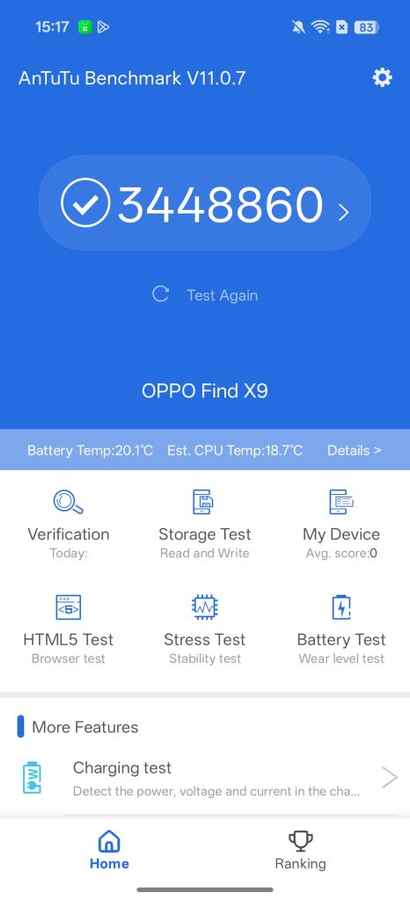
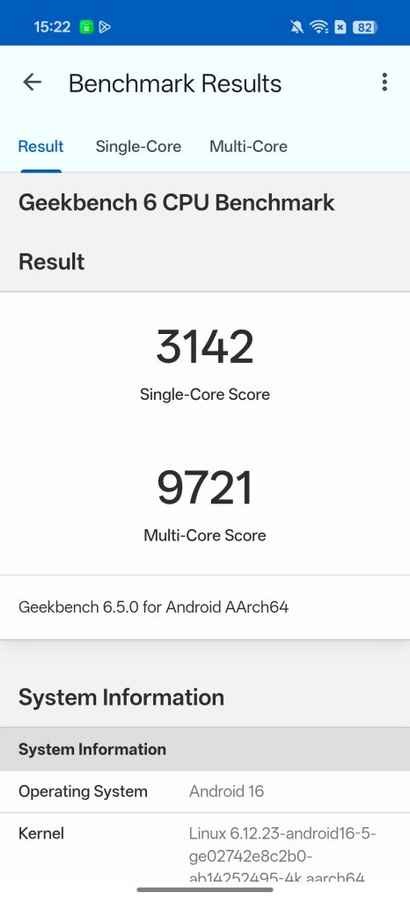
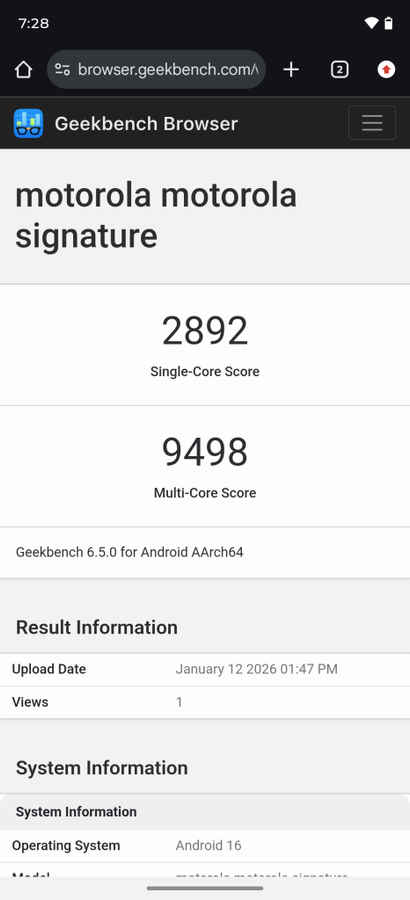
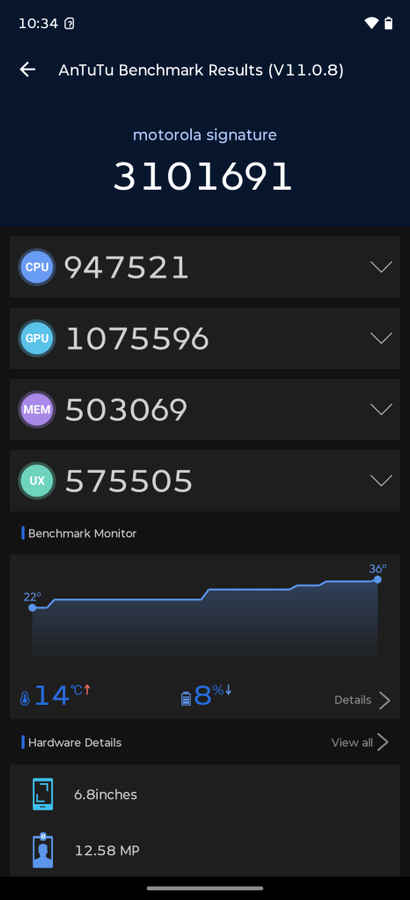
So, overall, Oppo scores slightly higher, and that does translate to real-world behaviour under sustained load. In long gaming sessions or heavy multitasking, the Find X9 feels a bit more stable. The Motorola is still very fast and handles games like BGMI at around 118 to 120 FPS, but side by side, Oppo maintains performance more consistently.
For most people, this difference won’t matter day to day. Both phones feel quick, smooth, and reliable. The edge only shows when you really push them.
Camera performance
Both phones use triple 50MP camera setups, but their image processing is quite different.
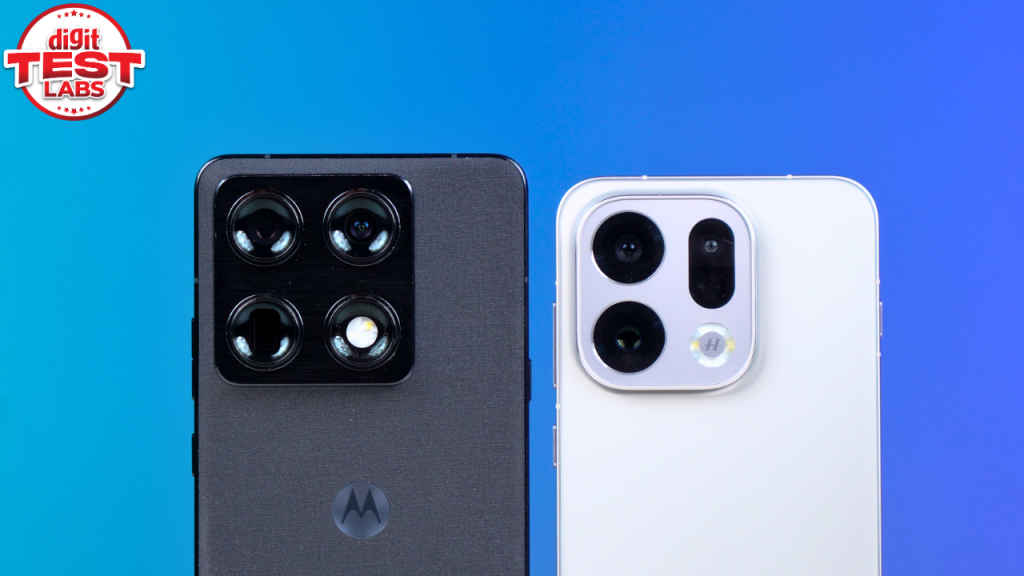
In daylight, the Oppo Find X9 generally delivers more consistent results. It captures finer details, better textures, and slightly stronger contrast. Portraits are a clear win for Oppo, with better edge detection and more natural subject separation.




The Motorola Signature tends to brighten faces and soften skin a bit. Some users may like this look, especially for social media. Its 50MP telephoto camera also produces punchy zoom shots that look clean and ready to share.




In low light, both phones do a good job, but Oppo retains detail better and keeps noise under control more effectively.
For selfies, Motorola uses a 50MP front camera, while Oppo sticks to 32MP. Motorola selfies look warmer, while Oppo’s selfies appear slightly brighter and smoother. One issue with the Motorola is occasional shakiness, which can affect sharpness.






Battery and charging
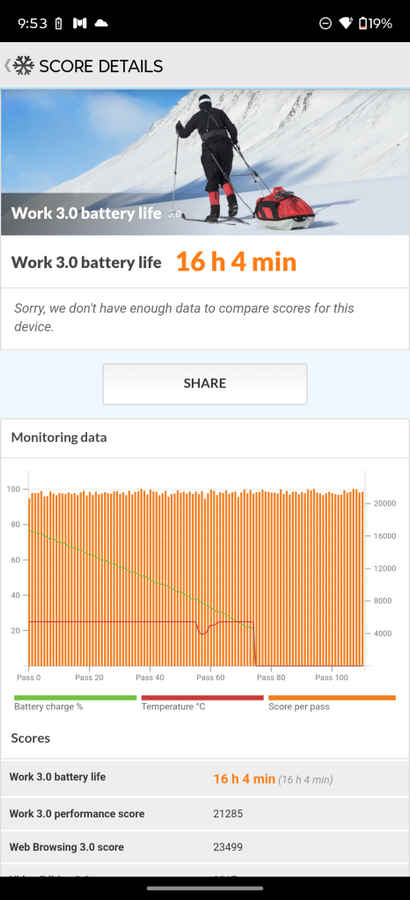
Battery life is where the gap becomes obvious. The Motorola Signature’s 5,200mAh battery lasts comfortably over a full day and can stretch to a day and a half with moderate use. In the PC Mark battery test, the Signature lasted 16 hours and 4 minutes.
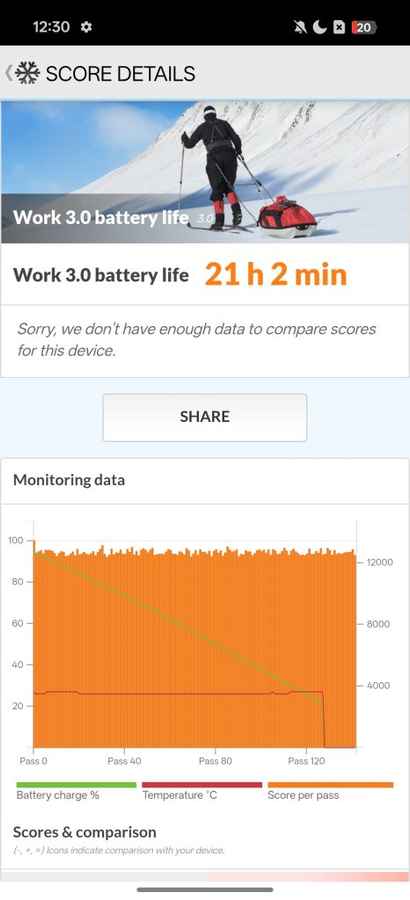
The Oppo Find X9, with its much larger 7,025mAh silicon-carbon battery, is in a different league. It achieved 21 hours and 2 minutes in the PCMark battery test. In the real world, it easily handles a heavy day and often goes well into the second day.
Charging speeds are almost similar. The Motorola Signature supports 90W fast wired and 50W wireless charging, while the Oppo Find X9 supports 80W fast wired and 50W wireless charging.
Software experience
This is where the two phones feel the most different. The Motorola Signature runs Hello UI based on Android 16. It’s clean, simple, and very close to stock Android. There’s no clutter, no unnecessary apps, and everything feels predictable and smooth. More importantly, Motorola is promising 7 years of Android updates and 7 years of security patches. That’s a big deal if you plan to keep your phone for a long time.
The Oppo Find X9 runs ColorOS on Android 16. It’s feature-rich and highly customisable, with plenty of options for gestures, multitasking, and visual tweaks. There is some bloatware, though most of it can be removed. Oppo’s update 5 + 6 years policy is solid, but it doesn’t quite match Motorola’s longer-term commitment.
Final thoughts
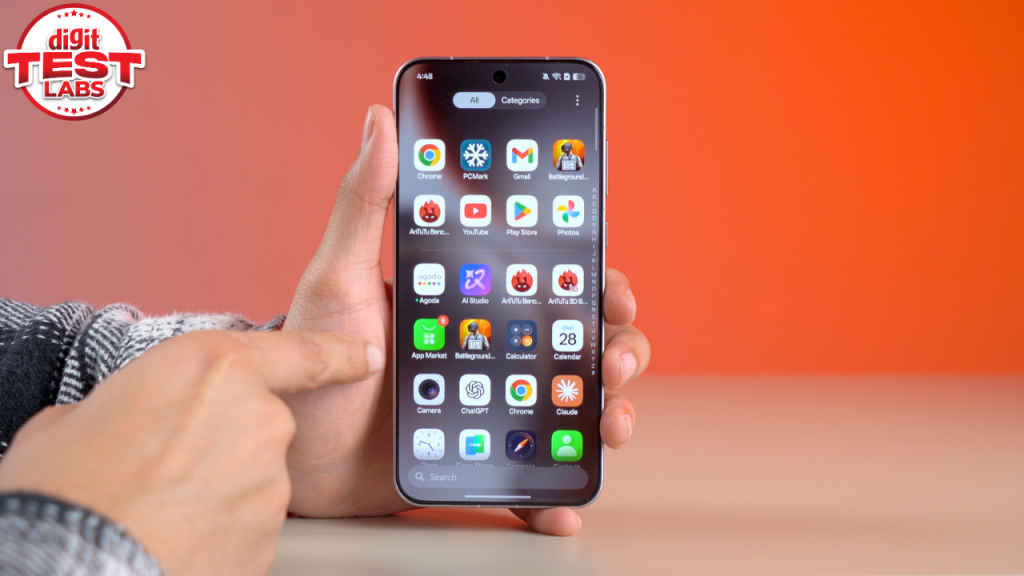
After spending time with both phones, their priorities become clear. The Oppo Find X9 feels like a refined all-rounder. It offers better camera consistency, a more accurate display, stronger battery life, and slightly better sustained performance. It’s built for people who care about polish and endurance.
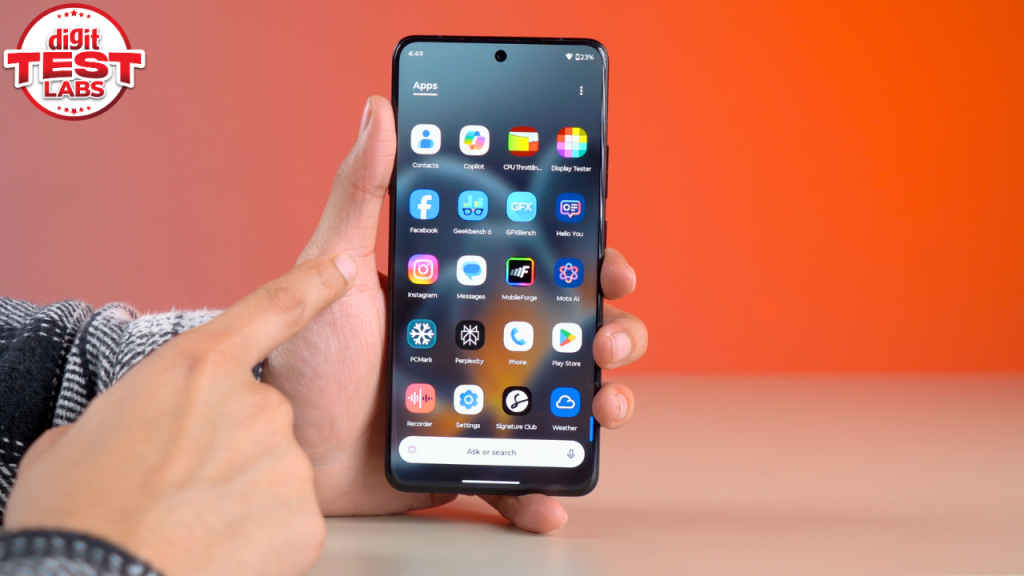
The Motorola Signature focuses on balance. It delivers clean software, a slim and comfortable design, strong performance, and one of the longest update promises in the Android world. At Rs 54,999, it is a solid value for money deal.
The Oppo Find X9, at Rs 74,999, makes sense if you’re willing to pay extra for better cameras, longer battery life, and overall refinement.
Overall, both phones are good. The right choice depends on whether you value long-term simplicity and value, or are happy to spend more for that extra layer of polish.


