OpenAI CEO Sam Altman says the company expects to enter code red more often as competition in AI becomes more intense.
Altman revealed that the company has entered emergency mode multiple times as a response to competitive threats and plans to continue doing so as rivals close in.
“My guess is we'll be doing these once maybe twice a year for a long time," he said.
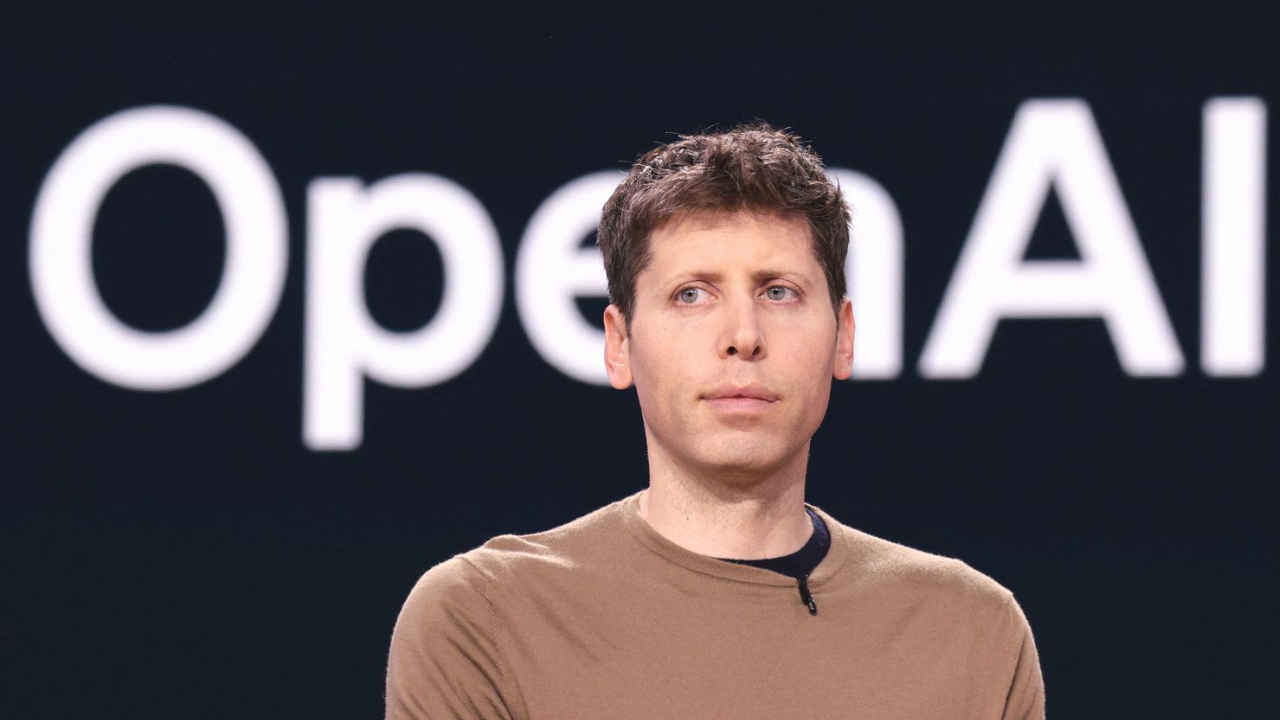
OpenAI CEO Sam Altman says the company expects to enter code red more often as competition in artificial intelligence becomes more intense. Speaking on an episode of the Big Technology Podcast, Altman revealed that the company has entered emergency mode multiple times as a response to competitive threats and plans to continue doing so as rivals close in, reports Business Insider. “It’s good to be paranoid and act quickly when a potential competitive threat emerges,” Altman said. He added that this approach is not going away anytime soon. “My guess is we’ll be doing these once maybe twice a year for a long time, and that’s part of really just making sure that we win in our space.”
 Survey
Altman said OpenAI first went into code red earlier this year after the rise of China’s DeepSeek. The company surprised the tech world in January by saying its AI model could match top systems, including ChatGPT’s o1 at a low cost.


Also read: Microsoft AI chief warns frontier AI will cost hundreds of billions to keep up
More recently, OpenAI entered code red again earlier this month, about two weeks after Google released its newest AI chatbot, Gemini 3. Google launched the model in November and promoted it as its most advanced AI so far. The release drew strong attention and praise, leading OpenAI to shift priorities. Altman reportedly told employees in an internal Slack message that the company would focus more on ChatGPT while delaying other plans.
Still, Altman said the impact from Google was smaller than expected. “But it did — in the same way that Deepseek did — identify some weaknesses in our product offering strategy, and we’re addressing those very quickly,” he added.
Also read: Google Gemini app can now identify AI-generated videos, here’s how
Altman said the company will not stay in emergency mode for “that much longer.” “Historically, these have been kind of like six- or eight-week things for us,” he added.
As competition from Google, Anthropic, and others grows, Altman made it clear that code red is now part of OpenAI’s long-term playbook.
Also read: Meta plans new image and video AI model codenamed Mango, targets 2026 release: Report
 Follow Us
Ayushi Jain
Ayushi works as Chief Copy Editor at Digit, covering everything from breaking tech news to in-depth smartphone reviews. Prior to Digit, she was part of the editorial team at IANS. View Full Profile


