Aadhaar details like name, address, and DOB can now be updated online securely without visiting centres.
New verification links Aadhaar data with PAN, passport, and other databases to ensure accuracy.
PAN-Aadhaar linking deadline set for Dec 31, 2025; unlinked PANs will be inactive from Jan 2026.
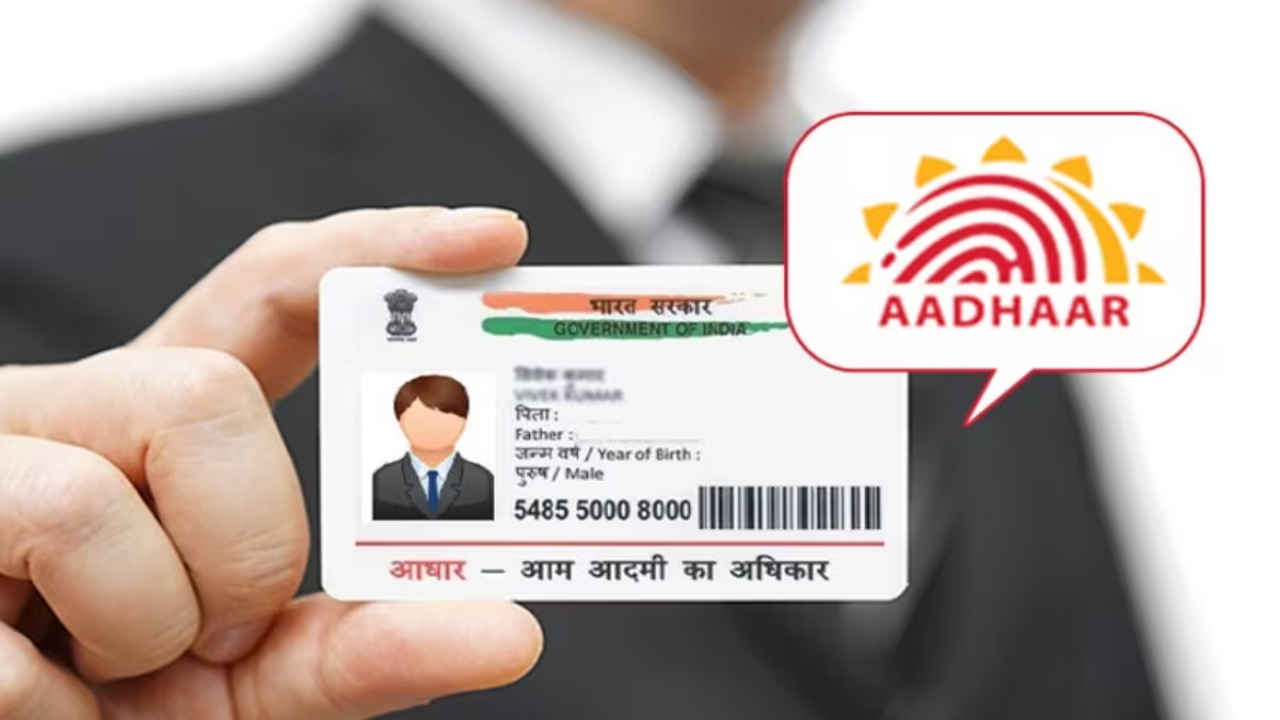
Starting November 1, the Unique Identification Authority of India (UIDAI) is introducing a major overhaul of how Aadhaar cardholders across the country can update their personal details. The new changes will simplify the process by allowing users to modify key demographic information, including name, address, date of birth, and mobile number, from the comfort of their home. This digital-first approach will eliminate the need to visit Aadhaar enrollment centres for most updates, making the process faster, more secure, and user-friendly.
 Survey
While Aadhaar remains one of India’s most crucial identity documents, UIDAI has once again clarified that it cannot be used as proof of citizenship or as a valid document to confirm one’s date of birth. Instead, the 12-digit Aadhaar number will continue to serve solely as proof of identity.


Aadhaar card update: New changes
- UIDAI’s new verification system will now automatically validate user information by cross-checking it with other official government databases, including PAN, passport, driving licence, ration card, and birth certificate records. This integrated verification model will reduce manual intervention, prevent data mismatches, and improve overall accuracy.
- Additionally, UIDAI has also revised the fee structure for updates made at enrollment centres. At their convenience, Aadhaar holders can now choose to update their details online or visit a nearby centre.
- A key highlight of the new rules is the government’s reminder that linking Aadhaar with PAN is mandatory by December 31, 2025. From January 1, 2026, unlinked PAN cards will be rendered inactive.
- For new applicants, Aadhaar authentication will now be a compulsory part of the PAN issuance process. Meanwhile, the KYC (Know Your Customer) process for banks and financial institutions has been further streamlined, allowing Aadhaar-based OTP, video KYC, or face-to-face verification for faster, paperless onboarding.
Aadhaar update revised fee
According to the newly revised fee structure, the demographic updates in the Aadhaar card, like name, address, DOB, mobile, and email, will cost Rs 75. Additionally, biometric updates like fingerprint, iris, and photo updates will cost Rs 125, whereas for document updates, it will cost an Aadhaar reprint; users will be required to pay Rs 75 at centres and Rs 40, respectively.
Also read: TRAI’s new rule to display caller names: Here’s how it will change your phone calls
Notably, mandatory biometric updates for children aged between 5 and 7 and 15–17 are free. Further, home enrollment service costs Rs 700 (first person) and Rs 350 for each additional member.
 Follow Us
Himani Jha
Himani Jha is a tech news writer at Digit. Passionate about smartphones and consumer technology, she has contributed to leading publications such as Times Network, Gadgets 360, and Hindustan Times Tech for the past five years. When not immersed in gadgets, she enjoys exploring the vibrant culinary scene, discovering new cafes and restaurants, and indulging in her love for fine literature and timeless music. View Full Profile


