
Japanese Robotics Developers Showcase Innovations Amidst Chinese Competition at Humanoids Summit
 Follow Us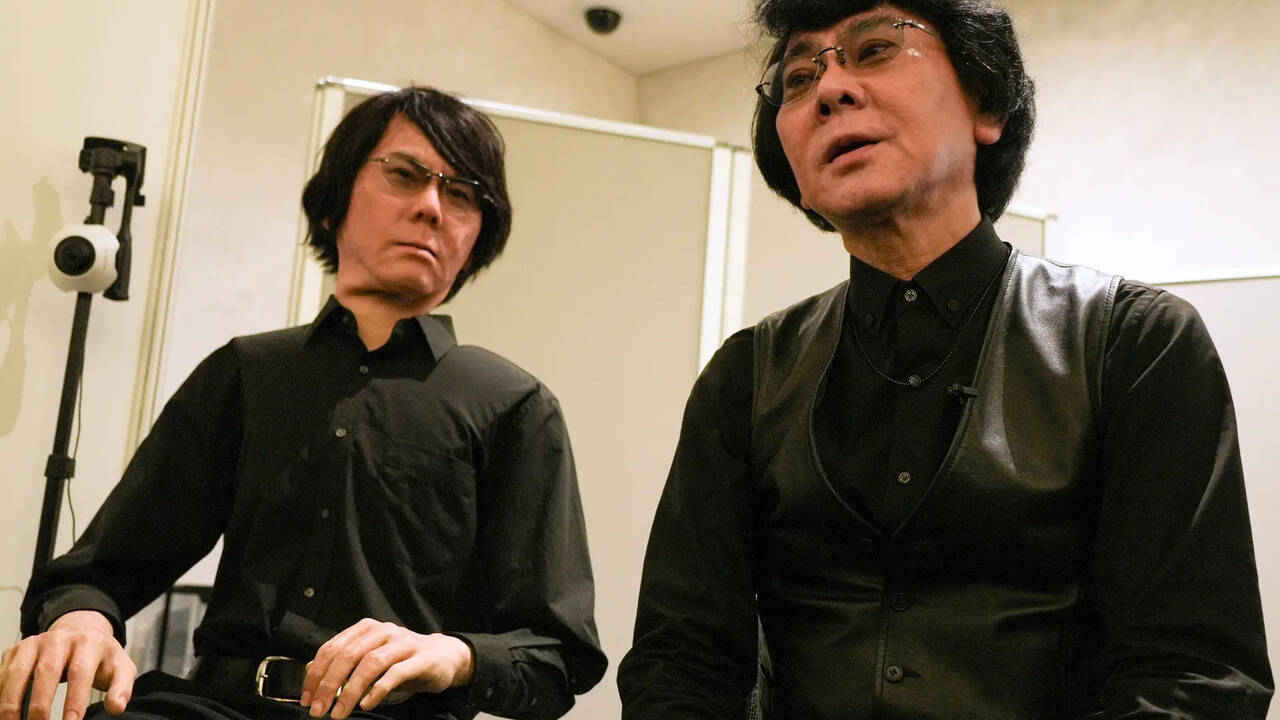

TOKYO (AP) — The Humanoids Summit Tokyo opened Thursday, featuring advanced robotic technologies, including mechanical hands capable of threading needles and dancing robots designed for entertainment and delivery tasks.
 Survey
While renowned companies like Boston Dynamics and Toyota Motor Corp. participated in the event, the spotlight shifted to emerging Chinese firms that have refined and mass-produced robotics technologies originally developed in Japan and the United States.
The Rise of Chinese Robotics
Chinese companies such as Booster Robotics and LimX Dynamics have made significant strides in the robotics sector, utilizing technology that Japan pioneered but adapting it for more affordable mass production. This trend mirrors Japan’s past experiences in other industries, where initial innovation was not followed by commercial success.
Tim Hornyuk, author of “Loving the Machine: The Art and Science of Japanese Robots,” attended the summit and described Japan’s situation as the “Galapagos syndrome,” where unique Japanese innovations fail to gain traction in the global market.
“I really hope that Japan can come up with a Ford Model T-version of humanoid roots. But I think China has already stolen their lunch. It’s a bit too little too late,” Hornyuk stated.
Innovative Robotics on Display
One notable exhibit was the Mini Pi Plus robot from China’s High Torque, which, despite its limitations in performing practical tasks, captivated audiences with its charm and competitive price of $5,500.
In Japan, the AI and robotics company GMO showcased a humanoid robot equipped with camera eyes, aimed at assisting Japan Airlines with cargo handling and other airport duties. This initiative seeks to address Japan’s pressing labor shortages by enabling robots to perform tasks typically handled by humans.
The technology for these robots often comes from Chinese firms like Unitree, which is also developing a dog-like robotic explorer.
Japan’s Strengths in Robotics
Experts note that Japan’s reputation for quality manufacturing has fostered a conducive environment for robotics development, complemented by a societal openness to robotic integration. A recent Pew survey indicated that only 28% of Japanese people express anxiety about AI, compared to 50% in the United States.
Honda Motor Co., a leader in robotics, demonstrated a motorized robotic hand capable of intricate tasks, including threading needles. Keisuke Tsuta, assistant chief engineer at Honda, emphasized that the durability and power of Japanese technology remain unmatched.
Cultural Acceptance of Robotics
Despite the competitive landscape, Osaka University Professor Hiroshi Ishiguro, a veteran in humanoid robotics, believes Japan’s cultural receptiveness to robotics is a significant advantage. “What’s significant is that Japan has a culture that’s receptive to robotics. If we’re going to really start using robots in society, Japan is the ideal place,” he remarked, highlighting the absence of discrimination against robots in Japanese society.
During the summit, Ishiguro’s humanoid counterpart demonstrated a human-like response to philosophical inquiries about the role of robots, asserting, “I think robots will coexist with people. Robots are the mirror of human beings.”
Reflecting on his own experience, Ishiguro noted, “No one is interested in me. All everyone cares about is my robot,” underscoring the public’s fascination with robotic technology.


