
OpenAI introduces GPT Rosalind for scientific research: What it can do
 Follow Us
OpenAI has introduced a new AI model called GPT-Rosalind.
OpenAI describes GPT-Rosalind as a new 'purpose-built model to accelerate scientific research and drug discovery.'
The model is named after Rosalind Franklin, whose work played a key role in discovering the structure of DNA.
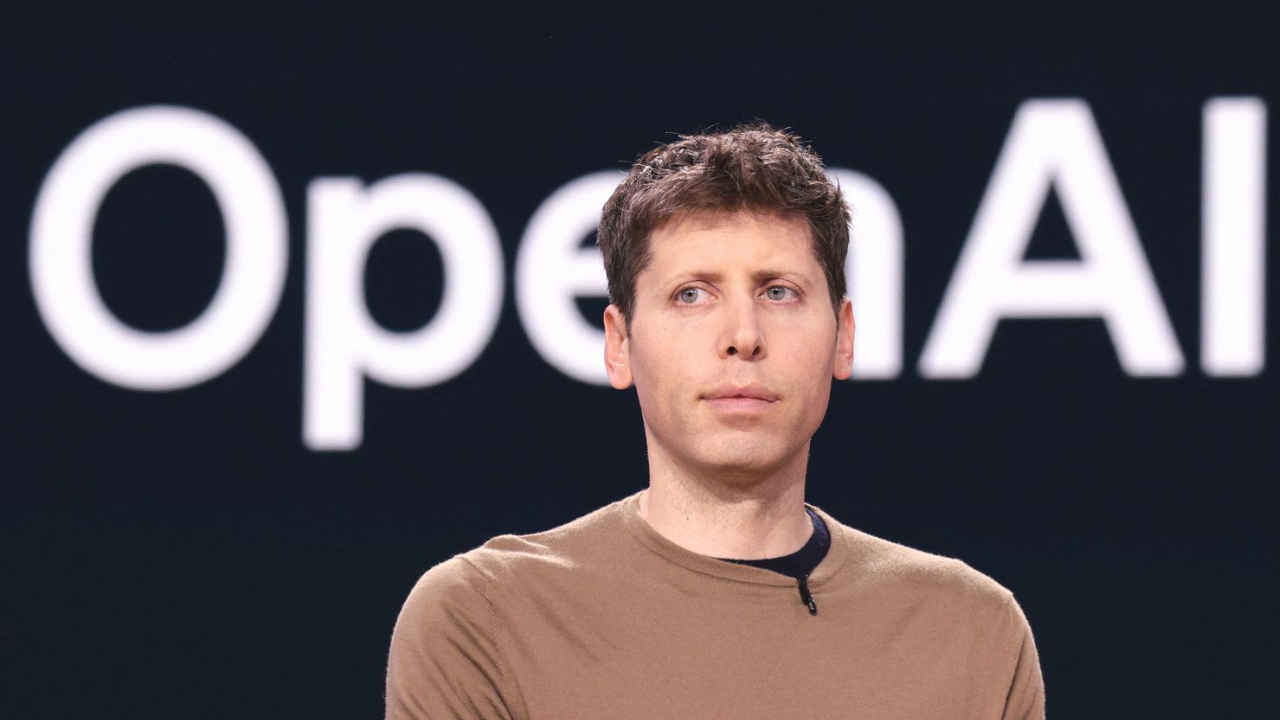

OpenAI has introduced a new AI model called GPT-Rosalind, designed to support research across biology, drug discovery and translational medicine. The company says that the new model is built to support complex scientific workflows and can help researchers move faster during the early stages of scientific discovery.
 Survey
Developing a new medicine is a long and complicated process. On average, it can take 10 to 15 years for a potential drug to move from early discovery to final regulatory approval in the US. ‘By supporting evidence synthesis, hypothesis generation, experimental planning, and other multi-step research tasks, this model is designed to help researchers accelerate the early stages of discovery. Over time, these systems could help life sciences organisations discover breakthroughs that wouldn’t otherwise be possible, with a much higher rate of success,’ OpenAI explains.
The model is currently available as a research preview in ChatGPT, Codex, and through the API for selected organisations through a trusted access program.
Also read: OpenAI upgrades Codex with computer control, image generation to rival Claude Code
About OpenAI GPT-Rosalind
OpenAI describes GPT-Rosalind as a new ‘purpose-built model to accelerate scientific research and drug discovery.’ The model is named after Rosalind Franklin, whose work played a key role in discovering the structure of DNA and helped shape modern molecular biology. OpenAI says GPT-Rosalind is the first model in a new life sciences AI series.
GPT-Rosalind is said to deliver the best performance on tasks that need reasoning over molecules, proteins, genes, pathways and disease-relevant biology. It can also help with tasks like reviewing scientific literature, planning experiments and data analysis.
Also read: Is AI replacing jobs or creating them? Here is what LinkedIn data says
OpenAI has also introduced a Life Sciences research plugin for Codex that connects the model to more than 50 scientific tools, databases and research sources. The plugin is available on GitHub.
‘We will continue improving the model’s biological reasoning, expanding support for tool-heavy and long-horizon research workflows, and working closely with leading scientific institutions to evaluate real-world impact,’ the company said.


