

OpenAI faces major backlash as users create unauthorised AI videos with Sora, Sam Altman responds
 Follow Us
Sora allows users to create 10-second AI-generated videos with sound, including “cameos” of themselves or consented individuals.
Users exploited the app to generate copyrighted or offensive content featuring characters like SpongeBob, Pikachu, and Rick and Morty.
OpenAI plans to implement stronger controls for both rightsholders and users to prevent misuse while maintaining creative freedom.
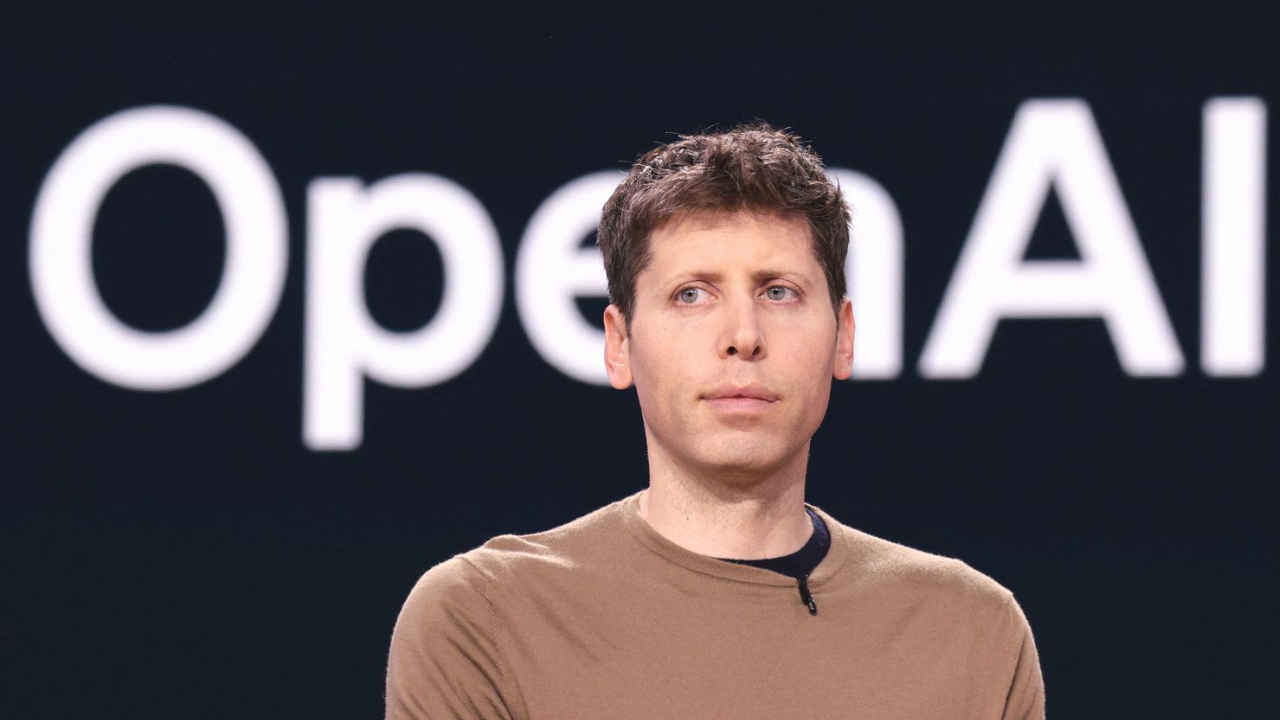

OpenAI CEO Sam Altman has admitted that the company was taken aback by the public reaction to its new AI-generated video app, Sora, which quickly became controversial after users began creating hyperrealistic videos of copyrighted characters and inappropriate content.
 Survey
According to the report, Sam Altman stated at a recent event that while OpenAI had anticipated some debate, the real-world reaction was far stronger and more complex than expected. “The theory of what it was going to feel like to people, and then actually seeing the thing — people had different responses,” Altman told me. “It felt more different from images than people expected.”
For those unfamiliar, the TikTok-style Sora app, which was released last week, allows users to create short, 10-second AI-generated videos with sound, effectively transforming text prompts into realistic clips. It also includes a cameo system, which allows users to create AI-generated versions of themselves or others who have given permission for their image to be used. However, users quickly discovered ways to exploit the feature, resulting in copyrighted or borderline offensive content featuring popular characters such as SpongeBob SquarePants, Pikachu, and even Rick and Morty.
Also read: OnePlus 13s available with over Rs 7,000 discount during Amazon Great Indian Festival 2025
Initially, OpenAI introduced Sora with an opt-out policy for copyright holders, which required companies to actively indicate if they did not want their intellectual property to appear on the platform. However, following a wave of controversial content and backlash from creators and media companies, Altman has confirmed that the company will reverse its position, allowing rightsholders to decide how their content can and cannot be used.
Altman stated that OpenAI is currently working to add “a lot more controls” for rightsholders and users alike. Despite the rocky start, he emphasised that the company is still committed to balancing innovation and responsibility as society transitions to the new era of AI-generated video.


