
Govt confirms no UPI fees on payments up to Rs 2,000: Here is what will change
 Follow Us
No charges on UPI and RuPay payments up to Rs 2,000.
The rule applies to merchant payments, not person-to-person transfers.
MDR may be introduced later for some UPI payments.
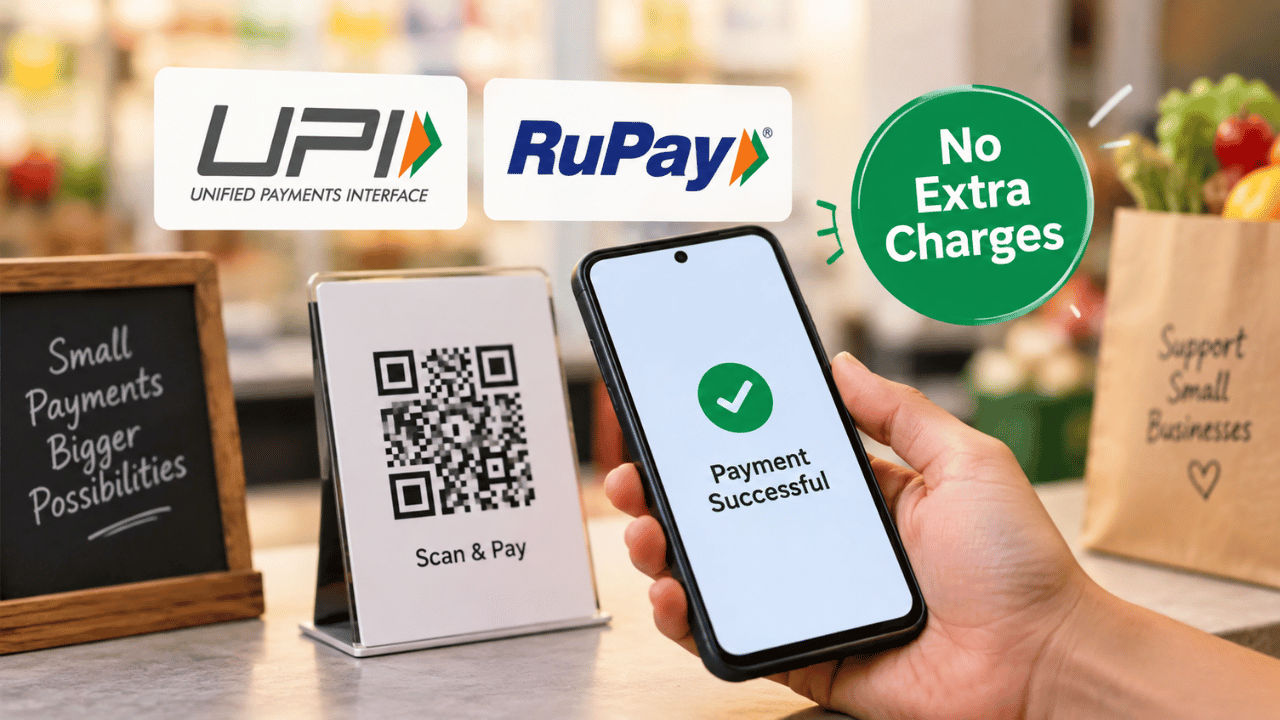

Digital payments in India are getting a fresh set of rules related to UPI payments. The ministry has recently issued a notification confirming that banks and payment system providers cannot charge any direct or indirect fee on UPI transactions of up to Rs 2,000. Moreover, the same protection also applies to payments made through RuPay debit cards. One thing to note is that the govt has previously confirmed that person-to-person payments will be free much like always, and these fees will only be applied to the person-to-merchant fees. Here’s everything you need to know about the UPI charges up to Rs 2,000.
 Survey
No charges on UPI payments up to Rs 2,000
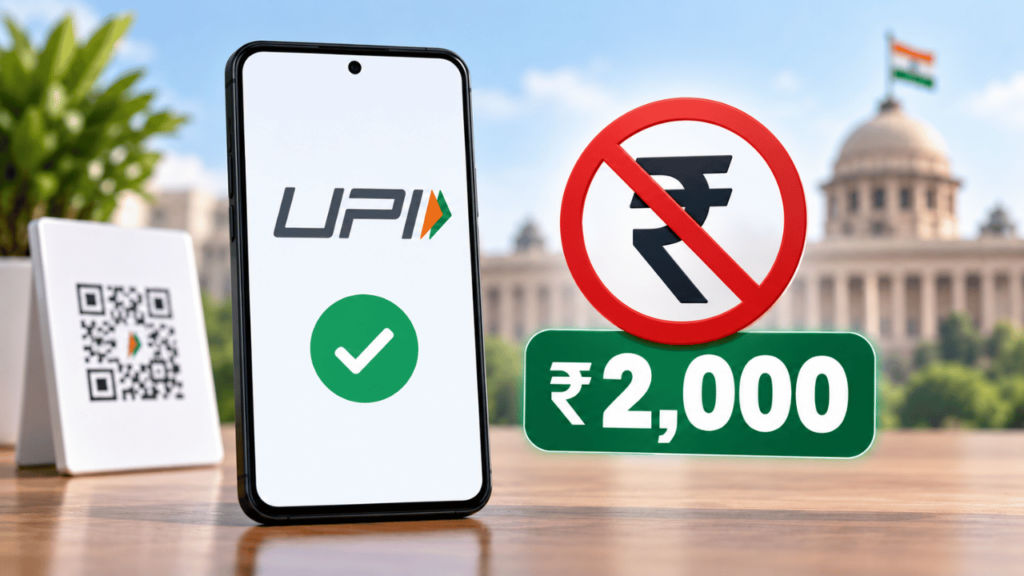
The Finance Ministry has recently notified the merchants that the RuPay-powered debit cards and UPI transactions up to Rs 2,000 will not attract any fees. According to the notification, these payments will be covered under Section 10A of the Payment and Settlement Systems Act, 2007. Hence, the banks and payment system providers cannot charge a fee, either directly or indirectly, from a person making or receiving a payment through these modes.
When we talk about the everyday benefits of this, the payments made for groceries and small bills within the Rs 2,000 limit will not attract transaction fees for the merchants.
While speaking in the Rajya Sabha on August 10, when Parliament cleared the Taxation and Other Laws (Amendment) Bill, 2026, Finance Minister Nirmala Sitharaman had clarified that the recent amendment will not impose a transaction charge on UPI users. Moreover, she further added that street vendors, cab drivers, kirana stores and other small merchants cannot ask the consumers to pay these fees.
The amendments also removed an earlier restriction that prevented banks and payment companies from charging MDR on UPI transactions, opening the possibility of MDR being introduced for selected merchant payments in the future.
Also read: AI can kill us all: Google DeepMind researcher quits over fears about the technology
What is MDR, and why is it being discussed?
MDR, which is also known as the Merchant Discount Rate, is a small processing fee that merchants have to pay when a consumer makes a digital payment at their store. UPI has had zero MDR since January 2020, unlike debit or credit cards, which had attracted MDR of up to 0.9 per cent and 1 to 3 per cent, respectively.
The government has been acknowledging for a while that running UPI’s infrastructure has real costs and that MDR is essential to cover them. Companies have reportedly argued that a limited MDR of around 0.4 per cent would help sustain the system, especially as government incentives for the zero-MDR model have shrunk.
Who will decide on MDR?
The recent amendment gives the government the power to allow such charges, but it does not introduce them automatically. The decision on whether MDR should be introduced and which transactions it could cover will be taken by the UPI and Services Steering Committee. The committee is headed by NPCI and includes major banks and leading UPI apps. Do note that at the time of writing no decision has been taken to impose MDR on UPI users.


