
Elon Musk confirms Starlink’s fresh bid for nearly 30000 satellites in India
 Follow Us
Starlink has reapplied for approval to deploy nearly 30,000 satellites in India.
Its plan includes direct-to-device technology for satellite-to-phone connectivity.
If approved, Starlink could boost satellite connectivity and competition in India.
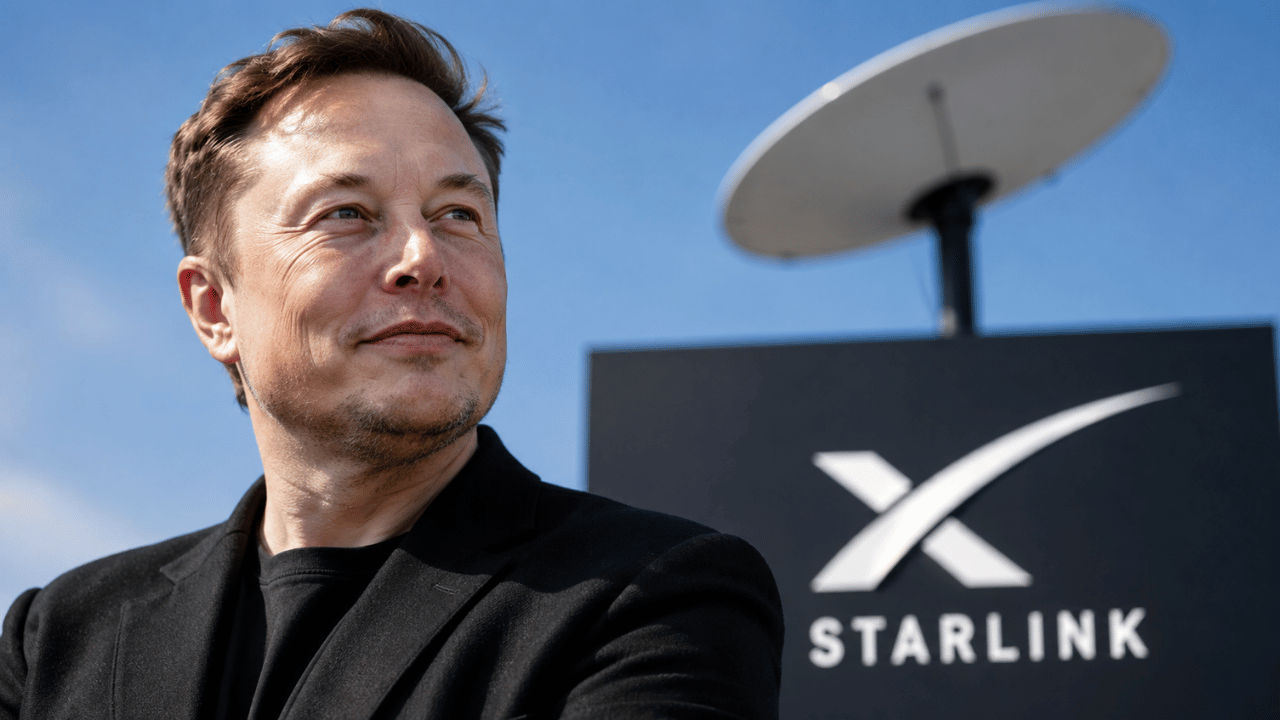

Elon Musk lead company, Starlink, has reportedly applied again for permission from IN-SPACe to put nearly 30,000 satellites into low Earth orbit. The proposed network includes direct-to-device technology, which could allow compatible phones to connect with satellites without relying on a traditional mobile tower. The earlier proposal by Starlink was rejected by the Indian government; however, reports suggest that the current proposal is currently being studied by the Indian authorities. If approved, it could bring a new kind of phone connectivity to the country, giving the Indian consumers more options to choose from.
 Survey
The development was first reported by The Economic Times and later confirmed by Elon Musk. While he has not put up a dedicated post, he confirmed by reposting a post from the X account DogeDesigner that stated that Starlink submitted a new application for direct-to-device connectivity in India. The fresh application submitted to India reportedly covers satellites planned for orbits between 340 and 615 kilometres above Earth. Starlink has sought approval for nearly 30,000 satellites, while SpaceX has wider plans for about 42,000 satellites in its Gen 2 network.
BREAKING: Starlink submits a new application for direct-to-device connectivity in India.
— DogeDesigner (@cb_doge) August 20, 2026
The Gen 2 proposal covers nearly 30,000 satellites and includes direct-to-device technology, which could connect mobile phones directly to Starlink satellites, as per The Economic Times. pic.twitter.com/lo9QEKnkSH
Do note that the earlier Gen 2 application by Starlink was rejected by IN-SPACe because some proposed features and spectrum bands did not meet Indian requirements. In July 2025, the regulator approved Starlink’s Gen 1 constellation of 4,408 satellites for services in India.
Also read: Nothing Phone 3 price drops by over Rs 30000 on Amazon: How to get this deal
Direct-to-device is central to the new proposal, as the technology can connect compatible mobile phones with satellites without a separate dish, helping fill gaps where mobile towers are difficult to build. Moreover, it could also be useful in remote villages, mountains, islands and disaster-hit areas.
At the time of writing, the proposal is still being reviewed. India’s telecom regulator is looking at rules for D2D (direct-to-device) services as part of its broader work on satellite internet. If approved, Starlink’s Gen 2 plan could increase competition with Reliance Jio, Eutelsat OneWeb, and Amazon Leo.
Also read: BGMI Lite pre-registrations to start next week: Date, download size and other details we know
More importantly, D2D could bring satellite connectivity beyond homes and businesses and directly to everyday mobile users. This could make India an important testing ground for the next stage of satellite communications.


