
AI driven memory demand will surge by 625 times in next two years, says Dell CEO Michael Dell
 Follow Us
AI growth could push memory demand up to 625 times in the next few years, putting huge pressure on supply.
Rising demand may lead to higher chip prices, affecting everyday devices like phones, laptops, and servers.
Tech companies are expected to keep investing despite costs, as AI infrastructure becomes essential for future growth.
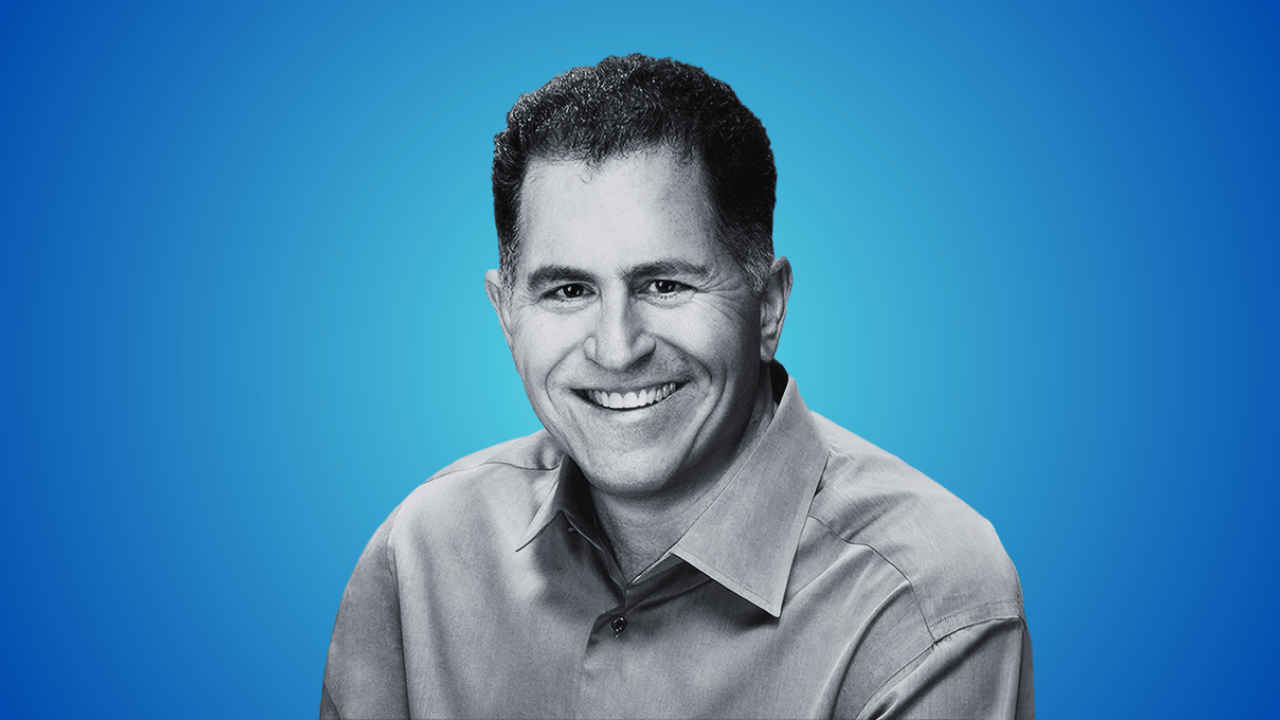

Rising memory chip prices are beginning to impact everyday technology, including smartphones, laptops, and servers. The situation may worsen as demand driven by AI growth continues to increase. Higher demand has already pushed prices to uncomfortable levels for both companies and consumers. Dell CEO Michael Dell recently gave a warning that the demand for chipsets could become so strong that companies may be forced to pay whatever manufacturers ask. Experts have long predicted that the chip shortage is not temporary but a lasting issue. Furthermore, the recent Dell warning highlights the growing pressure on the global technology supply chain and just works as fuel to the fire.
 Survey
Speaking at the recent Bank of America event, Dell outlined how the demand for memory could grow at an extraordinary pace. He further estimated that the total memory requirements for AI infrastructure might increase by as much as 625 times the current demand by the end of 2028.
Also read: OpenAI faces investigation over ChatGPT’s risks to minors and alleged shooting link
According to him, there are two parallel developments that are driving this explosion in demand. The first is that the memory content per AI accelerator will increase dramatically from around 80 GB in 2022 to nearly 2 TB over the next couple of years. The second development is that the number of these accelerators will increase dramatically.
As a result of these factors, explosive growth in the demand for DRAM and other comparable technology is expected. However, increasing the manufacturing capacity of these components does not happen overnight. It takes time to construct plants and ramp up production. In the meantime, the supply of memory could struggle to meet the demand in AI data centres.
Also read: NASA Artemis II to return on Earth tomorrow morning: When and where to watch it live in India
Despite the rising costs, Dell believes that the companies will continue to invest in the latest chipset technology. He argued that businesses cannot afford to rely on outdated or inefficient systems, especially when employee productivity is at stake. For organisations, the decision is less about whether to upgrade and more about when to do it.
He added that the industry is also adapting as some of the major manufacturers are shifting their focus toward supplying data centres instead of consumer markets, signalling a broader change in priorities as AI continues to expand.


