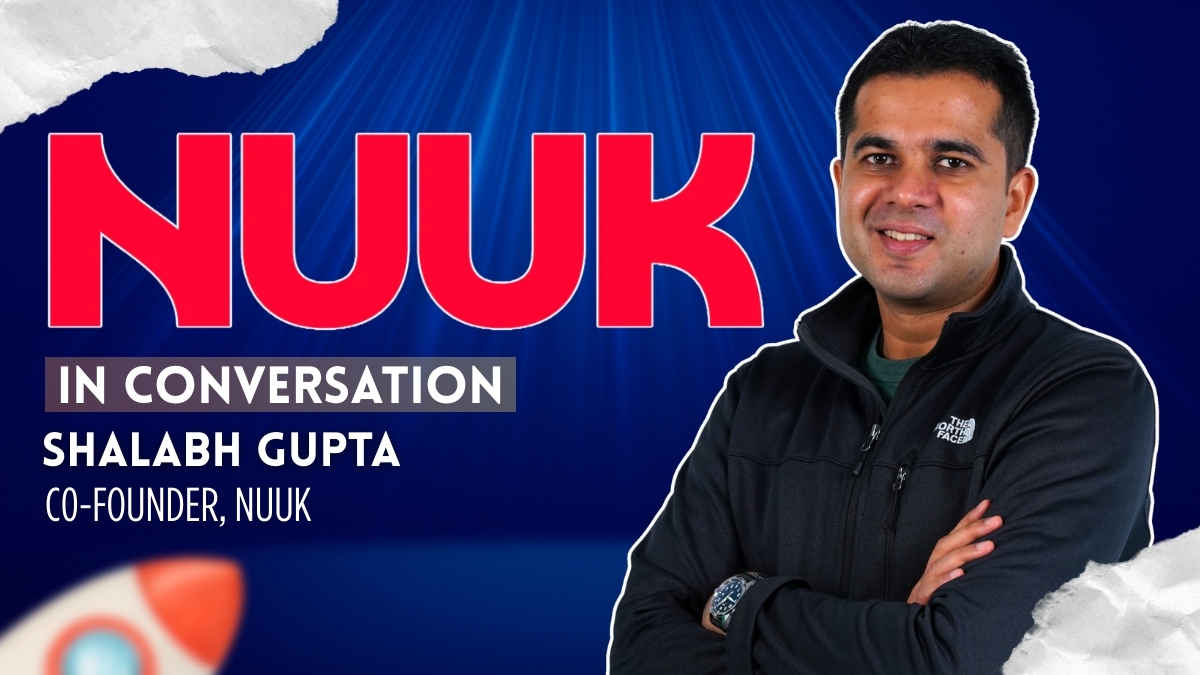
Home appliances in India have rarely been about design. For decades, most products have focused on doing the job, often ignoring how they look, how they fit into modern homes, or how people actually live with them every day. That is the gap Nuuk set out to address. In this conversation, I speak with Shalabh Gupta, co-founder of Nuuk, about why the small home appliance category felt stuck in the past, how Indian consumer behaviour has evolved faster than the products meant for them, and why design-led thinking can no longer be treated as a luxury. The conversation moves between everyday heating choices and the bigger thinking behind Nuuk, touching on common consumer misconceptions, long-ignored gaps in the appliance space, and the brand’s focus on building for the long term.
 Survey

Aman – To start things off, tell us about Nuuk. How it began, what the original idea was, and where the brand stands today?
Shalabh – When my co-founder and I started thinking seriously about this space around 2023, we felt that the small home appliance category had barely evolved. These are products we live with every day, yet most brands were still stuck with design philosophies from the 70s, 80s or 90s. Everything else in India had changed: the way we travel, dress, consume content, and even think, but appliances had not kept pace.
We also saw proof that Indian consumers were ready for something better. Premium global brands were doing surprisingly well here, and at the other end, low-cost products were selling in large volumes online. That told us the category was waiting to be challenged. From day one, we were clear that design would be our most obvious differentiator, while performance, quality and post-purchase experience would remain non-negotiable. That thinking eventually shaped our approach and our tagline: design first, function always.
Also read: Apple Beats Powerbeats Fit review: Secure workout earbuds that also work for everyday use
Aman – With that context, let’s get into the meaty stuff. When Nuuk started out, what bothered you most about how home appliances were designed or sold in India, and does that problem still exist today?
Shalabh – What bothered us was how loud and dated everything looked. Appliances were often blingy, cluttered, and designed for a customer mindset that hadn’t evolved with time. If you appreciate modern, minimal design, your options were extremely limited.
We felt the youngest generation of homeowners, people setting up their own spaces, simply wasn’t being addressed. These are consumers using Netflix, Uber, Starbucks, and modern luggage brands, yet their appliances still felt like something their parents bought decades ago. That mismatch was glaring. Thankfully for us, this gap still exists, though we can see other brands starting to take notice. That tells us the shift we believed in wasn’t temporary.
Aman – In India, winter appliances are usually bought in a rush when it suddenly gets cold. Why do you think people still default to blowers and basic heaters, even if they aren’t the most comfortable or healthy option long-term?
Shalabh – A lot of it comes down to habit and urgency. We tend to think of heaters as short-term, tactical products rather than something we plan for. People want quick warmth, and blowers appear to deliver that instantly.
From a health perspective, modern electric heaters don’t actually consume oxygen, so that part is often misunderstood. The real issue is dehydration, because warm air is drier. That’s true for heaters and even air conditioning. The bigger problem with oil-filled radiators historically was slow heating, so we focused on solving that with better oil, larger surface areas, and faster heat retention. Once heating becomes quick and predictable, people are far more likely to use these products properly instead of switching them on and off randomly.
Aman – Over the past few years, doctors have warned against regular heaters. From your point of view, what health or safety issues should people be more aware of?
Shalabh – Dehydration is the main thing people should be conscious of. If you’re in a heated room, drink more water and moisturise; that alone solves most discomfort.
The second aspect is safety. Heaters involve high temperatures and electricity, so safety features really matter. Auto cut-off, anti-tilt protection, flame-retardant cords, these aren’t things people think about, but they should. Just like you wouldn’t buy a car with no safety features, you shouldn’t compromise here either. Buying from a brand that takes these details seriously makes a real difference.
Aman – Oil-filled radiators are healthier but cost more and take up space. How should consumers think about this trade-off?
Shalabh – Space and room size are practical considerations. Blow heaters are compact and easier to store, but they’re rarely effective unless you’re sitting right in front of them. Oil-filled radiators, on the other hand, heat the entire room silently and evenly.
They also last much longer. A good oil-filled radiator can be a near-lifetime product, whereas blowers often get replaced after a few seasons. If you have a larger room and want consistent comfort, spending more upfront usually makes sense in the long run.
Aman – There’s also a perception that oil-filled radiators are expensive to run. In real-world usage, how true is that?
Shalabh – Electricity consumption depends on how intelligently a heater manages power. Traditional heaters often keep drawing high wattage continuously. Our approach was to introduce smart temperature control and multiple heat modes.
If you set a comfortable temperature, the heater automatically cuts off and switches back on only when needed. We also allow users to run the heater at lower wattage modes for overnight use. In practice, this can be more efficient than running a small-looking blower that constantly draws high power. Smart regulation is what makes the real difference.
Aman – Coming to the Hot Blox specifically, what were the non-negotiables while designing it, especially around comfort, safety and usability?
Shalabh – We rely heavily on consumer insights. For us, speed of heating and power efficiency were hygiene factors, things that simply had to work well. Beyond that, we focused on exciters.
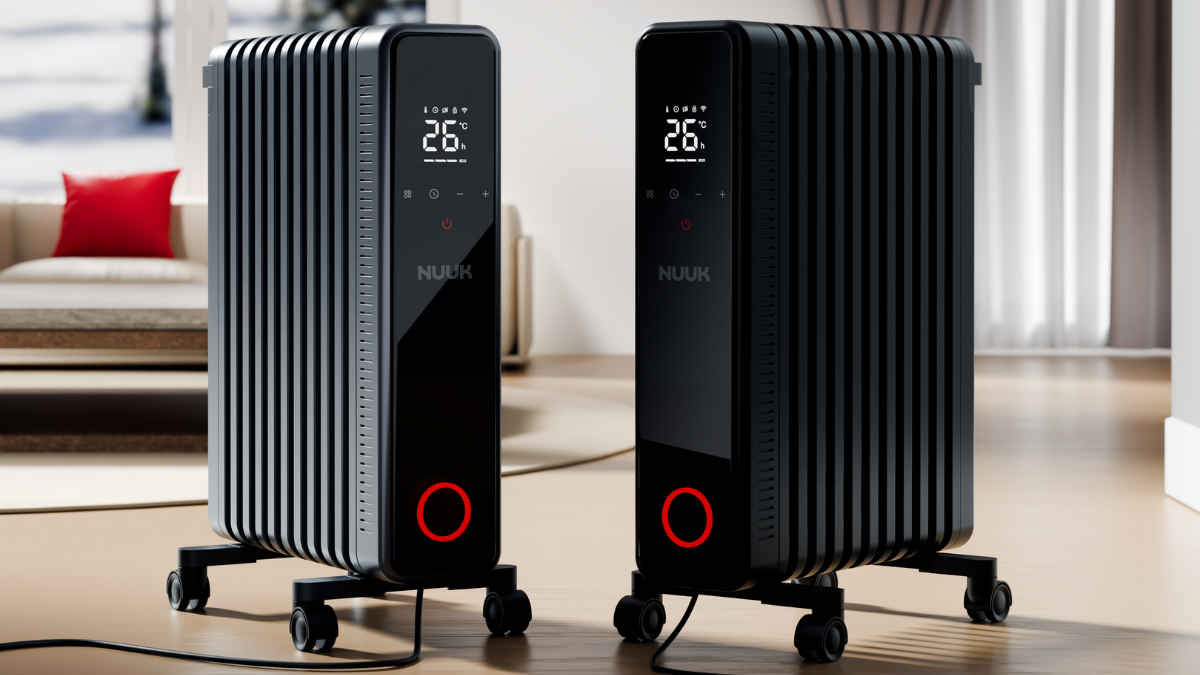
Making the heater smart wasn’t about gimmicks. It’s genuinely useful to be able to control it remotely, whether you’re on your way home or already tucked into bed. Even something as simple as a remote control makes a big difference in everyday comfort. These ideas come from listening carefully to how people actually use products, not assumptions.
Aman – Looking across Nuuk’s range, there’s clear design consistency. How do you decide which problems to solve next, and where is the brand headed?
Shalabh – We treat each product like a major release. Making a great product takes time, money and effort, so we’re very selective. Good enough isn’t good enough for us, because one bad product can hurt the brand far more than several good ones help it.
We look at category data, growth trends, and then apply deep consumer insight to understand our right to exist in that space. Design, positioning and execution all come together after that. In the long term, we want Nuuk to be known as the brand that brought design-led thinking to Indian home appliances. For now, our focus is simple: do better each quarter, compound trust, and let growth follow naturally.
Also read: MSI Prestige 16 AI review: Strong performance that gets the job done
 Follow Us
Aman Rashid
Aman Rashid is the Senior Assistant Editor at Digit, where he leads the website along with the brand’s YouTube, social media, and overall video operations. He has been covering consumer technology for several years, with experience across news, reviews, and features. Outside of work, Aman is a sneaker enthusiast and an avid follower of WWE, Dragon Ball, and the Marvel Cinematic Universe. View Full Profile


