
I used the Lloyd 55MX950F Mini LED TV for more than a week; here are my honest thoughts
 Follow Us
High peak HDR brightness reaches close to 1,280 nits, ensuring an overall vibrant visual performance.
Premium 120Hz display with Dolby Vision support excels while gaming or watching movies with dark scenes.
Premium build and snappy Google TV makes experience great, but the high price is hard to justify.
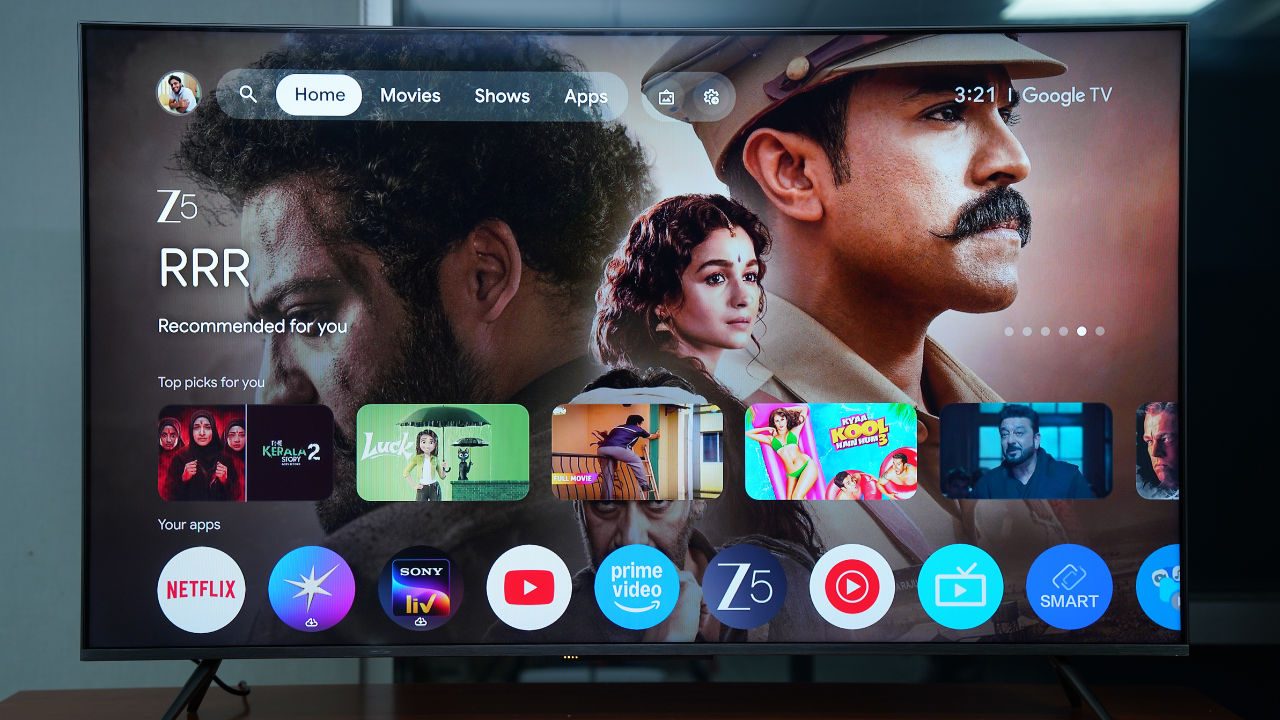

The television market is quite interesting; it’s a space that has evolved from being a ‘luxury’ to something that is common in almost every household today. However, at least in the budget segment, no major innovations are being made. Premium technologies like OLED are still reserved for the premium TV audience, out of reach for most of the masses. This is exactly where newer and more accessible tech like Mini LED has started to show up, and it’s popular too.
 Survey
But then there’s another category, the ‘Premium’ Mini LED line, which costs over a lakh, coming extremely close to the range of OLED TVs. Exactly where the sets, like the one we’re taking a look at fall. So when the Lloyd 55MX950F Mini LED TV arrived at the doorsteps of the Digit Test Labs, I was eager to test it out. The main highlight, of course, being the Mini LED display panel, was something that stood out; however, there were places where the focus could have been better. Nonetheless, without wasting much time, let me walk you through my experience with the TV.
Also Read: LG OLED G6 review: One of the most complete TVs I have tested this year
Lloyd 55MX950F specifications
| Specification Category | Feature Details |
| Model Name | Lloyd 55MX950F (55-Inch) |
| Display Technology | Mini-LED with A+ Grade Panel |
| Screen Size | 55 inches (139.7 cm) |
| Resolution | 4K Ultra HD (3840 x 2160 pixels) |
| Refresh Rate | 120 Hz |
| Contrast Ratio | 5000:1 |
| Viewing Angle | 178° Horizontal / 178° Vertical |
| Audio Output | 50W Total (15W x 2 Speakers + 20W Woofer) |
| Smart Connectivity | Built-in Wi-Fi, Smart TV OS |
| Hardware Ports | 2 x USB Ports, HDMI inputs |
| Dimensions (W x D x H) | 122.8 cm x 6.96 cm x 71.5 cm (Without Stand) |
| Net Weight | 16.0 kg |
| Power Requirements | 230 V |
| Warranty | 1 + 1 Year Manufacturer Warranty |
Mini LED excels in brightness
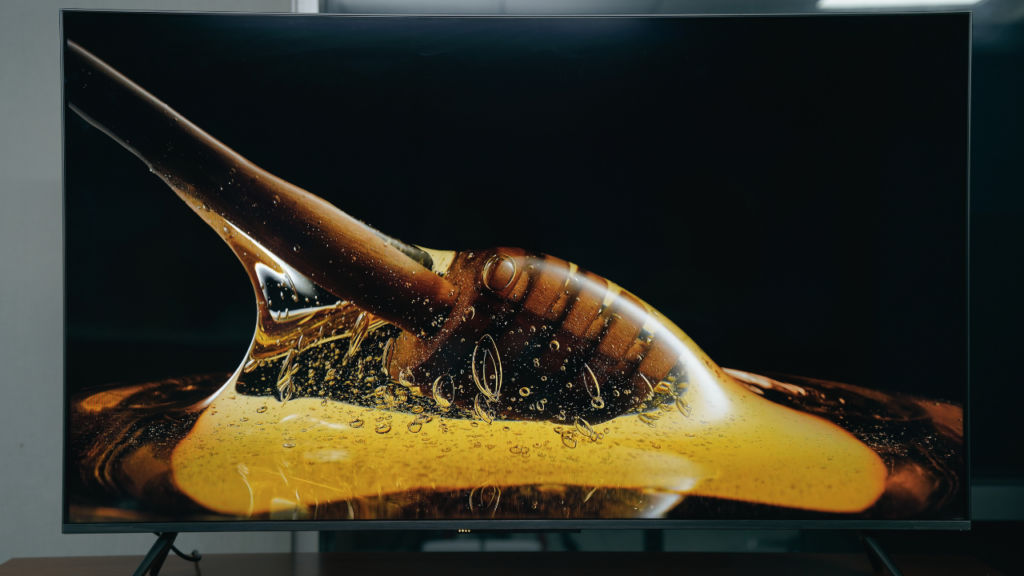
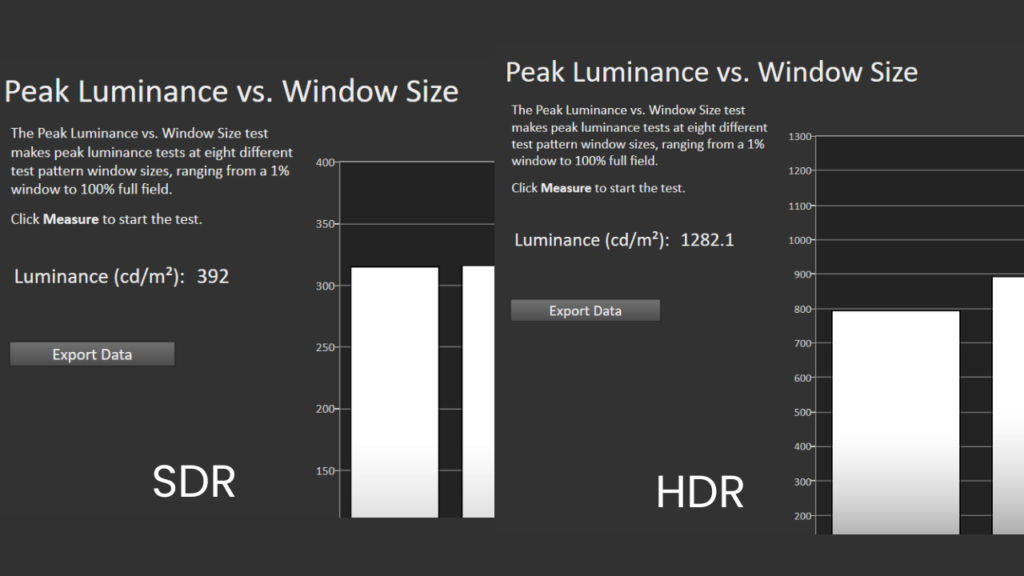
The display is the most important aspect of any TV, and with the Lloyd Mini LED, the panel is the main highlight, so we had to put it through rigorous testing. Starting with the basic benchmarks, we tested the panel using Portrait Display’s Calman and found that, in SDR testing, the TV was reaching closer to the 400-nit range. Meanwhile, during HDR testing, the TV reached around 1280 nits, which is close to the claimed 1400 nits.
In real-life usage, the brightness was never an issue, between both SDR and HDR content. We were using the TV in our studio, which gets bright enough. However, a minor issue worth pointing out would be the reflections; at this price, there should be some kind of anti-reflection coating, which is again quite common in TVs that fall under the same price bracket.

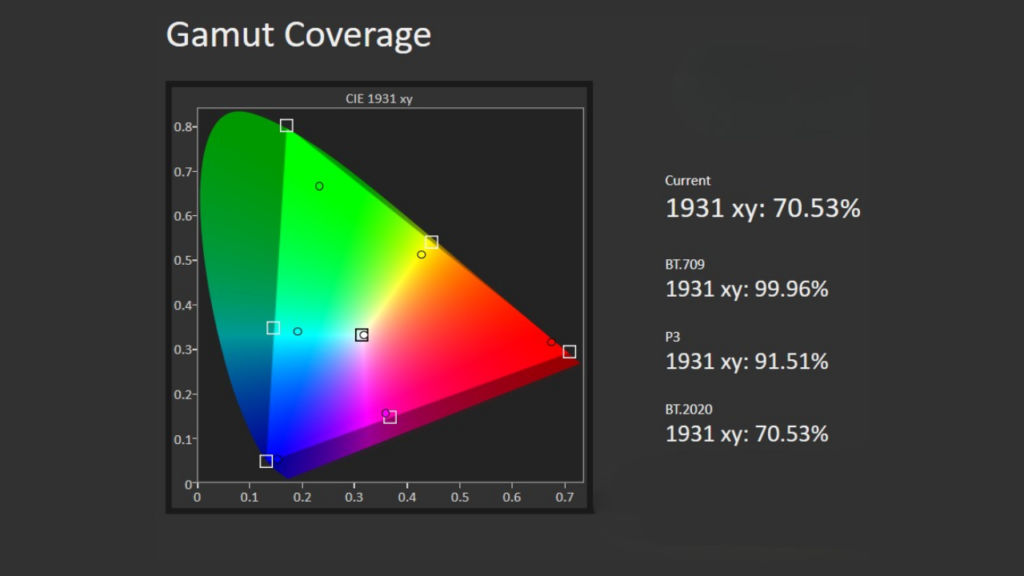
Coming to the colours, in our testing we found the gamut coverage to be pretty decent. It scored around 99.96% for BT.709, around 91.51% in DCI-P3 and 70.53% in BT.2020. One thing worth noting is that the brand claims around 97% DCI-P3, which is a bit off from our testing figures. Comparing these figures to the other Mini LED TVs in the same price range, the Lloyd does fall behind. For reference, Lumio’s Vision 9 got around 82% in BT2020 colour coverage, while it was closer to 98% in DCI-P3.
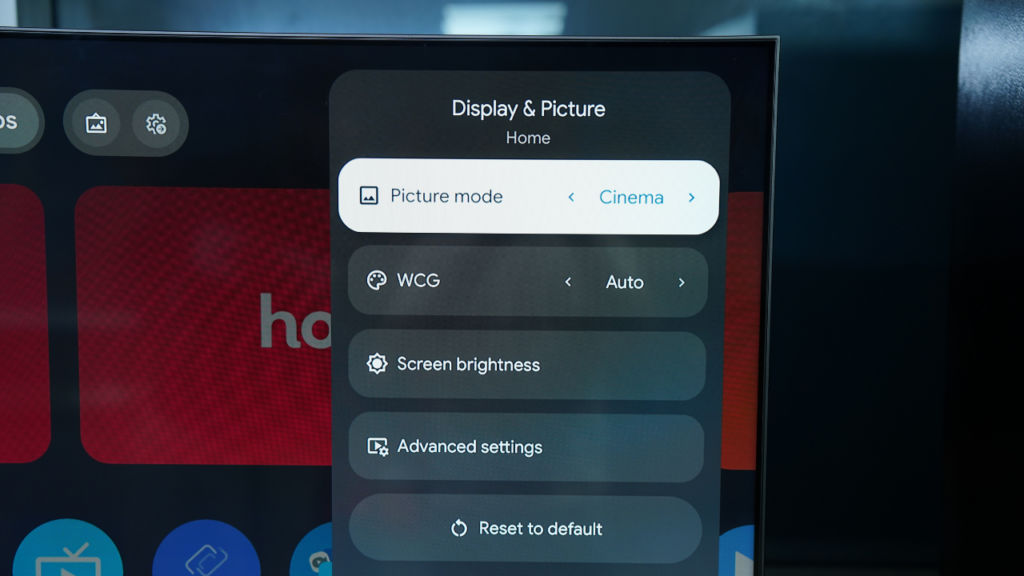
There was no ‘filmmaker’ mode as such, which is quite common in most TVs in this range, so instead we stuck to the Cinema mode for most of our testing while watching content. While a bit on the warmer side, the Cinema mode felt fine for the most part. While watching HDR content, we defaulted to the HDR picture mode that the TV automatically switched over to. For our testing, we used OTT apps like Netflix, Prime Video, Apple TV and others. For a wider film catalogue, I also hooked my local server via Kodi for testing content in full quality.
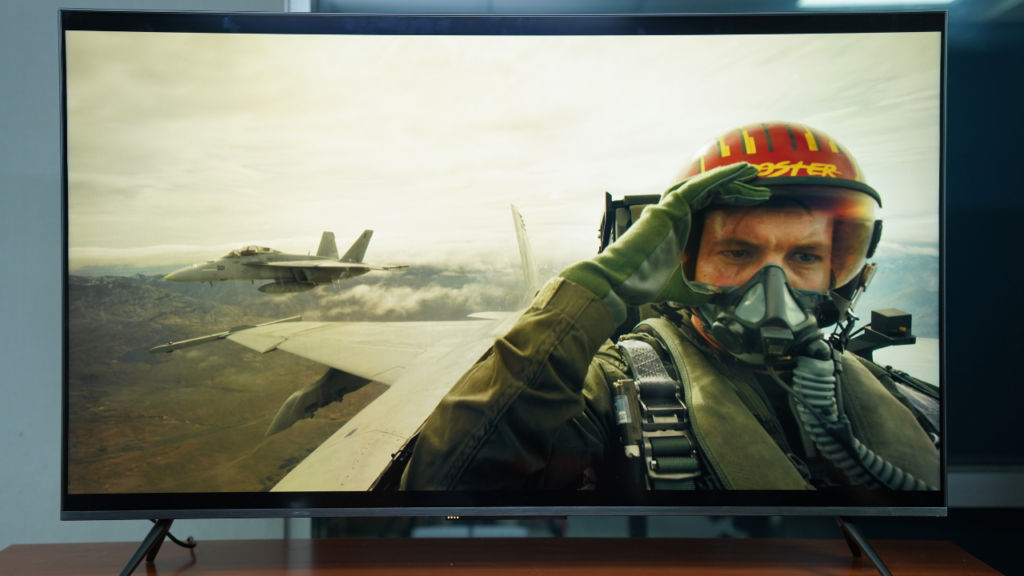
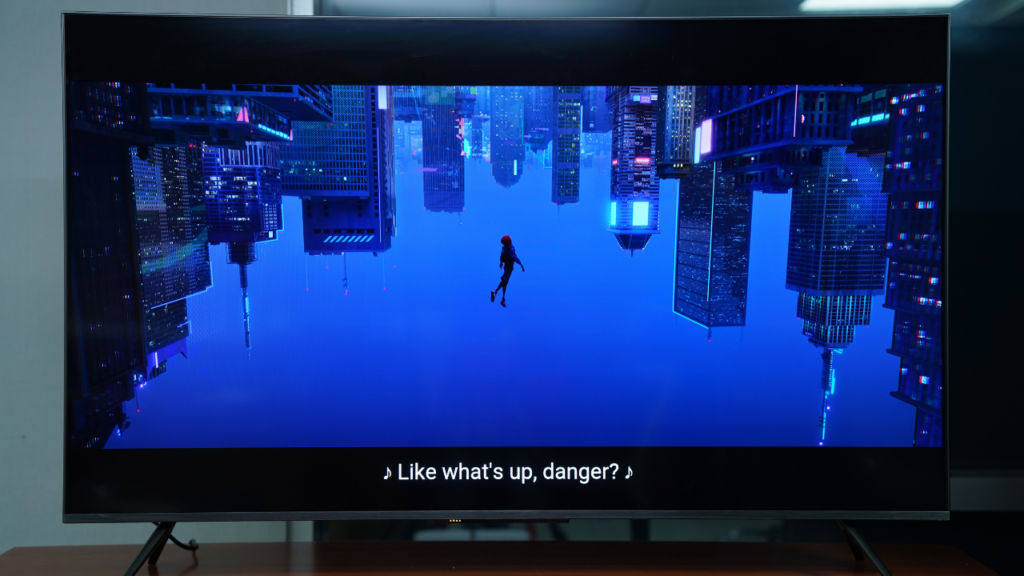
In darker films like The Batman, the panel really shone. From the intro to the hallway scene, where there was a lot of darkness, having the Mini LED panel was a big plus. Switching things up with a more vibrant colour tone, Top Gun: Maverick was again a good watch on this particular TV, because the panel got bright enough with Dolby Vision. Last but not least, a classic like Pulp Fiction is another good test for the colours. The bar scene where there were a lot of colours, like reds all around, got extremely bright, which made the experience extremely fun.
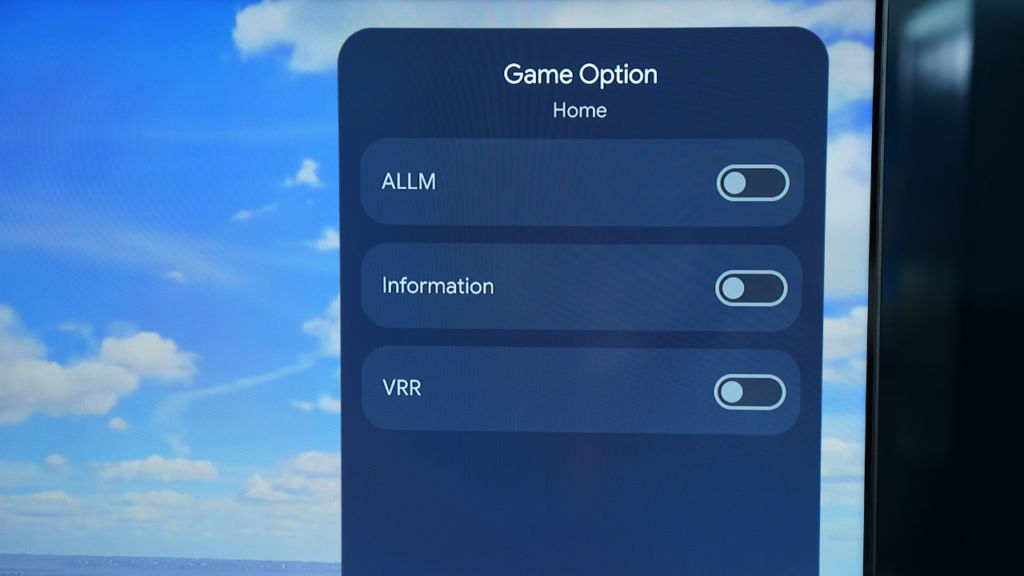
While I did not get to test the gaming capabilities in detail, it’s worth highlighting that the TV does come with a high-refresh-rate 120Hz panel. While most users wouldn’t utilise it as such, if you’re a gamer with a console like the PlayStation 5 or the Xbox Series X|S, you will find this addition useful. It supports ALLM (Auto Low Latency Mode) and VRR, which is essential for high refresh rate gaming.
Fine 50W speakers
After display, speakers are another important department, and on the Lloyd Mini LED, the speaker setup was quite interesting. You get twin 15W speakers around the TV, and on the back there’s a 20W woofer. Now on paper, the 50W output sounds mighty impressive, but honestly, my experience in real life wasn’t something that blew me away.
Anyways, using a decibel meter, at 100% volume, the output was sitting anywhere between 80- 90 dB, which is a very nice audio range to have. Again, while using a TV normally, you would be idling at around 30-40% volume levels, and around those levels, the audio quality was pretty impressive. While there is a woofer present, even when listening to Bollywood or pop songs, it’s hard to justify the presence of the dedicated hardware that helps with just the bass.
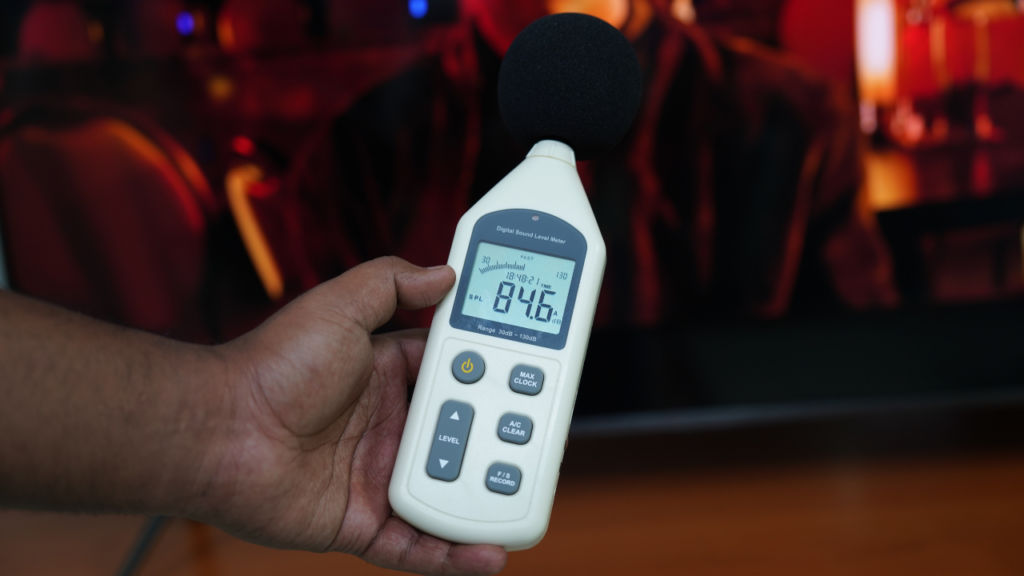
Regardless, the point is that the sound is okay for normal viewing of films and TV shows, but for audio enthusiasts who are planning on watching Dolby Atmos content seriously, investing in a good 5.1 speaker setup or a dedicated soundbar is a must. Just relying on the 20W woofer for audio needs isn’t going to be a game-changing experience.
Premium build
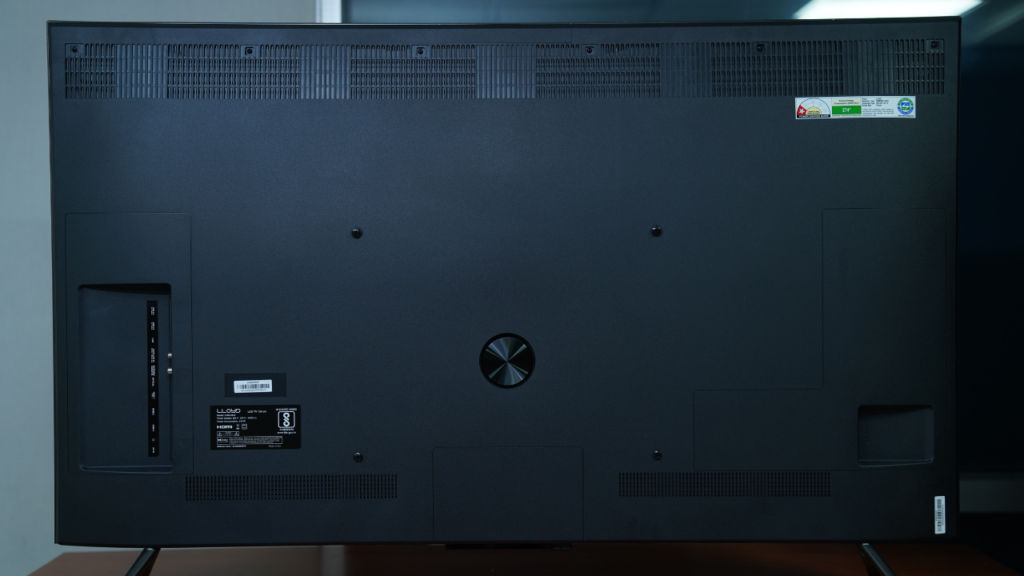
Moving over to the actual build and design, it’s worth pointing out that the build does feel very premium and sturdy. Without the stand, it weighs around 16 kg, and the installation was mostly easy, as a single person can move it around without much effort. The stands are built out of metal, and it is built durable enough to a point where the TV does not wobble much. We did not test the wall mounting options, but it’s worth highlighting that wall mount hardware is not provided in the box; rather, you’d have to get it installed separately during the free installation.
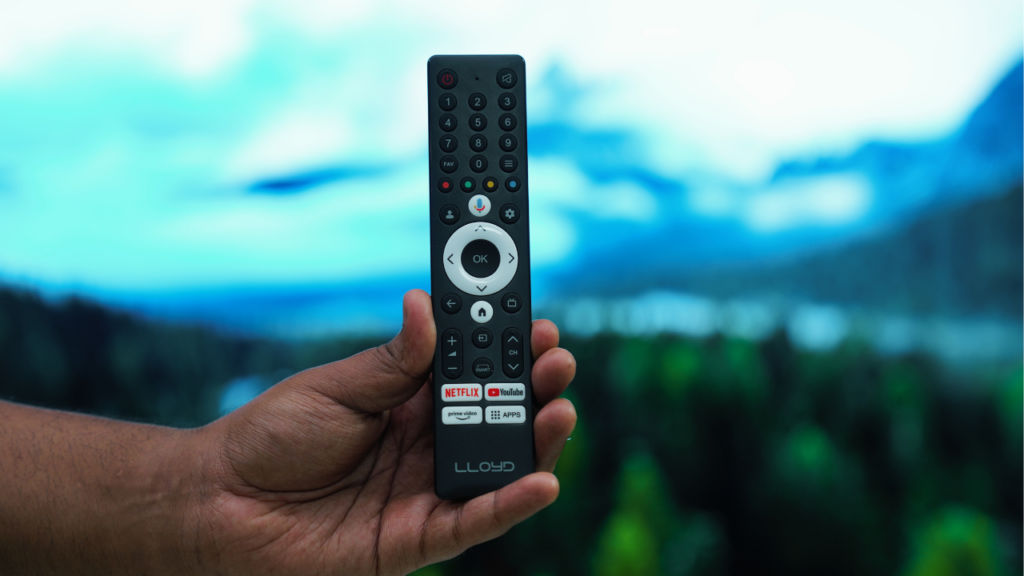
As for the remote, it comes with a standard full-sized layout, with a proper numpad, direction pads, quick shortcut buttons for accessing popular OTT apps, and, along with that, there’s also a mute button. It’s built entirely out of plastic; the buttons feel tactile, and it works via Bluetooth. In our testing, there was no major delay between button presses and input registration.
Coming to the internal specifications, while Lloyd hasn’t officially revealed the SoC being used to power the television, we do know the RAM and Storage configuration. It comes powered with 3GB of memory, along with 32GB of storage. Out of the 32GB internal storage, you’d get around 23 to 24 gigs of actual usable storage once you’re done with the Google TV setup process. Plenty enough for apps and games, and a few local storage options.
Google TV is snappy
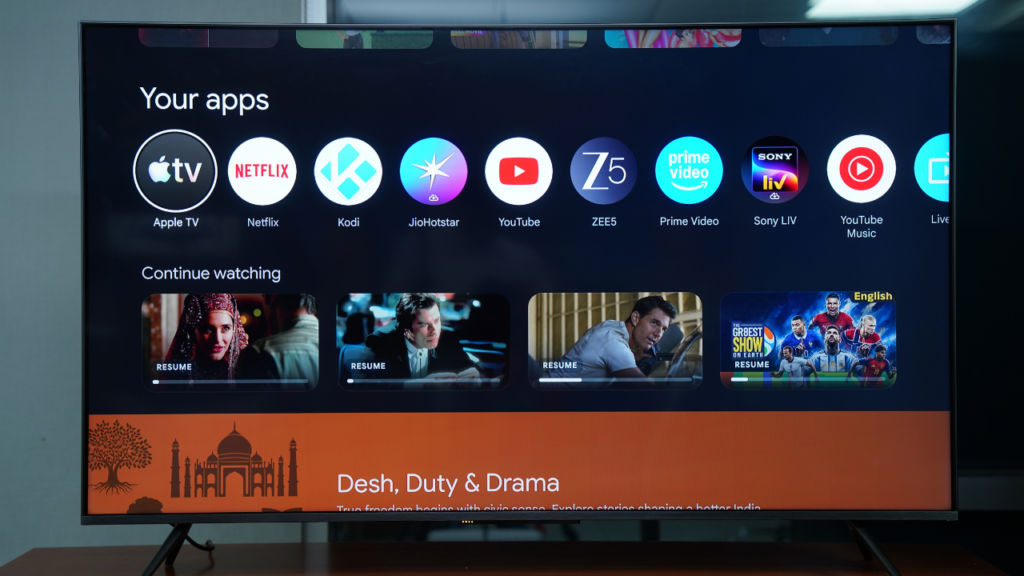
That brings us to the software, and the overall experience of using the TV. On the software side, it runs on Google TV based on Android 14, which is the latest one. On top of that, there are a few additional Lloyd-specific features, like the ‘Smart’ button on the remote, but using those requires additional app installation, and honestly, I didn’t find them very useful. Aside from that, the overall experience felt very snappy. Switching between apps was a breeze, and there were no major performance issues that I faced during my experience with OTT apps.
A genuinely good TV, but is it value for money?
Let’s now talk about the pricing, because this is where the major problems start to arise. On the official Havells website (Lloyd’s parent company), the 55MX950F Mini LED is priced at around Rs 1,14,990, which is an extremely high price for a Mini LED TV. In a similar range, you can easily find a few older OLED televisions, which are much better in terms of value proposition.
Not only that, but Mini LED options from more affordable players like Lumio with their Vision 9 offer a similar experience, while costing half the money. Heck, even Lloyd’s own GL55U4P2XA Mini LED, which costs less than half, offers a very similar setup. The major cutbacks are being made on the display, with a slower 60hz refresh rate and a slightly lower colour gamut when compared to this particular model.
I think it’s safe to say that the display panel in itself is quite good, though not close to the competitors; it does the job. The same can be said about the speakers and the software experience as well. Though what’s hard to justify is the absolutely high price. At this price point, it’s better to scout for deals on OLED TVs, and meanwhile, if you’re in the market for a Mini LED TV specifically, current options in the market from competitors and Lloyd themselves offer much better value.
Also Read: ACT Stream TV 4K review: A VFM set-top box that finally brings Live TV and OTT together


