Vivo X200 FE vs OnePlus 13s: In a World of Giants, Who’s the Compact King?
 Follow Us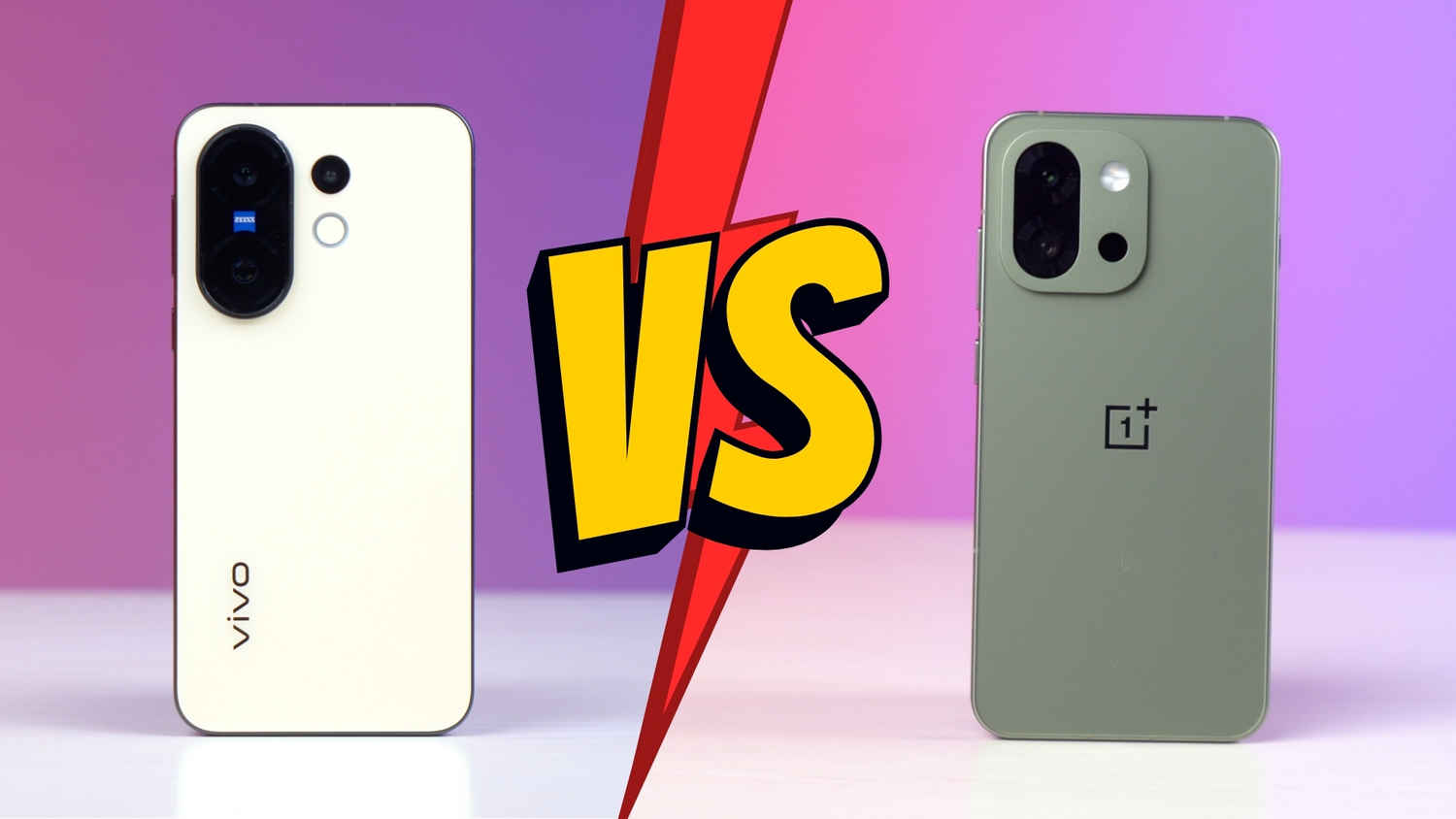

There was a time not too long ago when you could pick up a flagship Android phone without it feeling like a dinner tray. Then the foldables came. And the “Pro Max” trend exploded. Now, a phone under 6.5 inches feels quaint. Refreshing, even.
 Survey
That’s where the Vivo X200 FE and the OnePlus 13s come in. Both priced at Rs 54,999, both boasting flagship specs, and both designed to fit a normal human hand again. But while they look evenly matched on paper, they diverge in some subtle and some not-so-subtle ways. I’ve used both extensively, pocketed them, shot with them, gamed on them, and yes, even dropped one of them. So, which of these compact phones deserves your attention?
Design & Durability: Slim Doesn’t Mean Soft
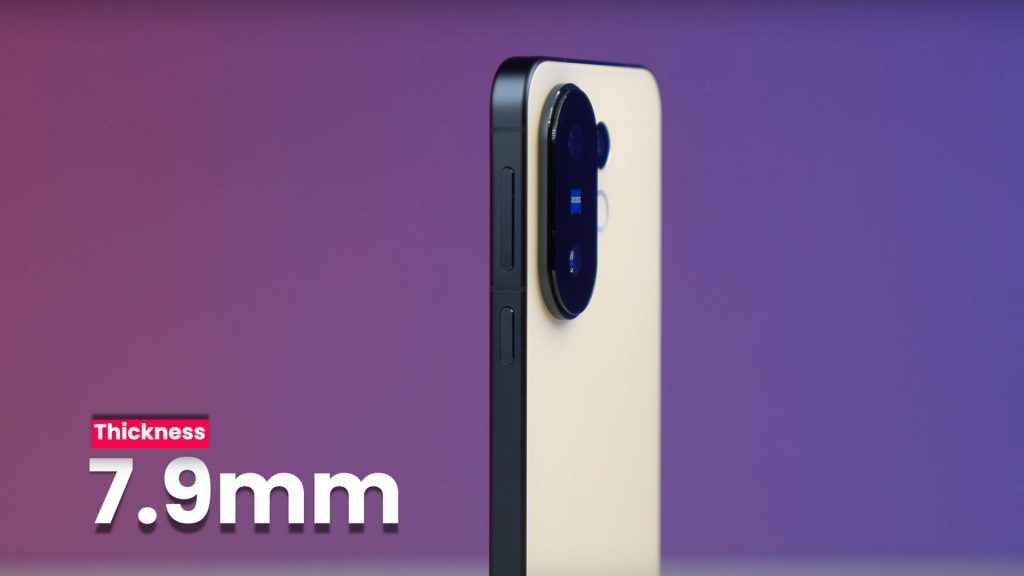
Switching to a compact phone isn’t just about size, it’s about how it feels. And both of these phones understand that. The Vivo X200 FE edges out slightly here with a thinner profile (7.89mm vs OnePlus’ 8.05mm) and a surprisingly balanced weight, even though it’s technically heavier by a gram (185 grams vs Vivo’s 186 grams). Flat sides, aluminium rails, and a grippy matte back make it feel planted in the hand, no case needed.
The OnePlus 13s fights back with its signature symmetrical curves and a velvet-frosted back that’s undeniably premium. It feels a touch more polished, but also slightly more slippery. And if you’re prone to dropping your phone, the Vivo gives you IP68/69 certification, which means proper water and dust resistance. OnePlus settles for IP65, which is fine for rain, but don’t take it to the beach.
Verdict: Vivo for the adventurer, OnePlus for the clean desk aesthetic.
Display: Bright and Cinematic
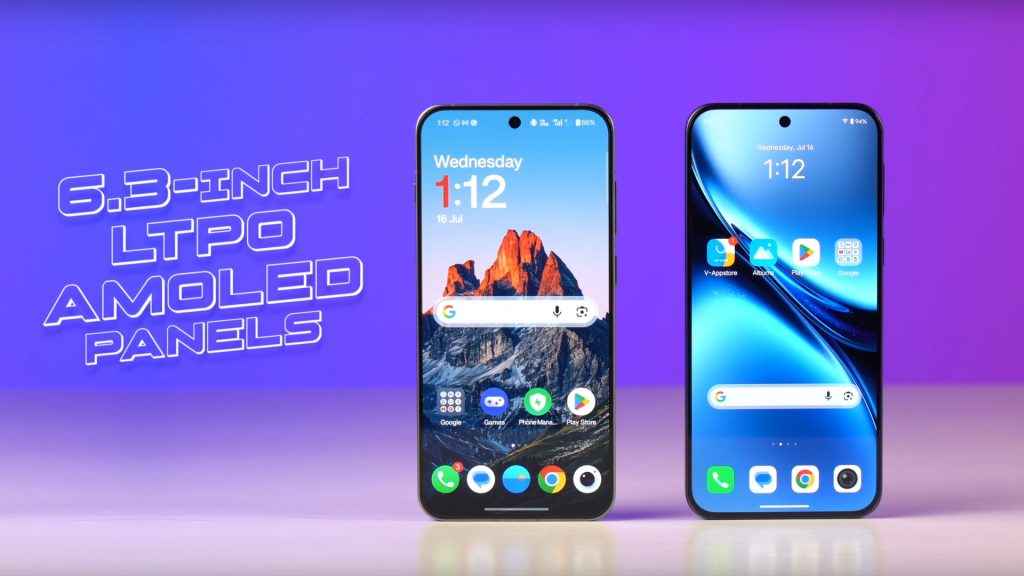
Both phones bring crisp 6.3-inch LTPO AMOLED panels with sharp colours, silky 120Hz refresh rates, and tight bezels. Indoors, you’d be hard-pressed to pick a favourite.
But step outside, and the difference becomes blindingly obvious. The Vivo X200 FE hits a peak brightness of 2,750 nits, outshining the OnePlus 13s’ ~1,700 nits. This matters when you’re editing photos in sunlight or trying to read a WhatsApp message outdoors.
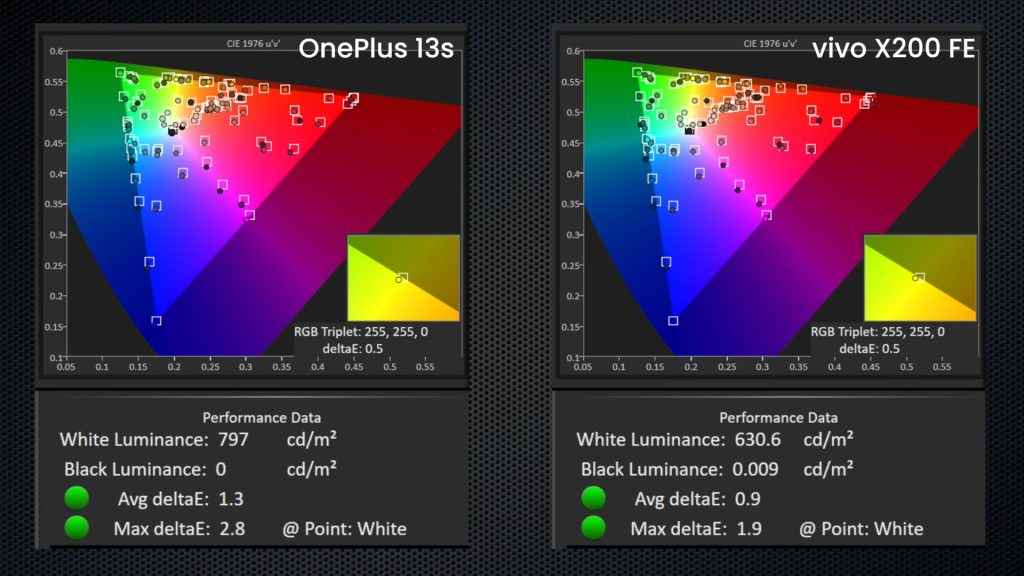
OnePlus offers slightly warmer, more saturated tones, great for streaming and Instagram scrolling. But the Vivo’s panel is more accurate, calibrated to the kind of fidelity that creators and photographers will appreciate.
Verdict: Vivo wins for creators and outdoor use. OnePlus still looks fantastic indoors.
Performance: Speed vs Volume
On paper, the OnePlus 13s has the upper hand. That Snapdragon 8 Elite is a 3nm beast, breaking past 2.5 million on AnTuTu and BGMI running at 120FPS. Thermals are impressively managed. It’s pure flagship speed.
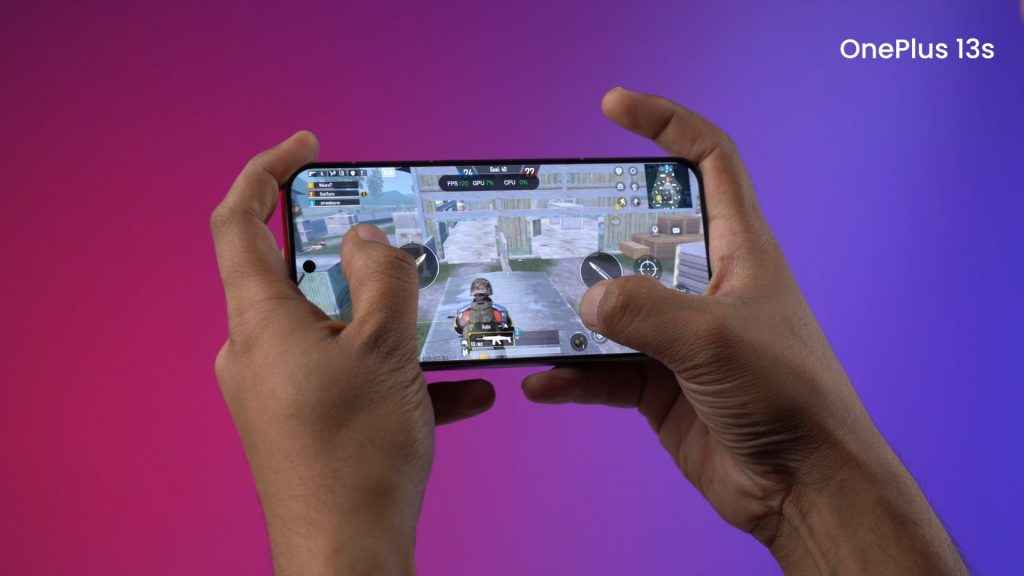
The Vivo X200 FE’s Dimensity 9300+ uses an all-performance core layout, no efficiency cores here. It scores lower (around 1.8 million) and caps BGMI at 90FPS. However, it feels just as fast in daily use. App launches, multitasking, camera switching, it’s all fluid.
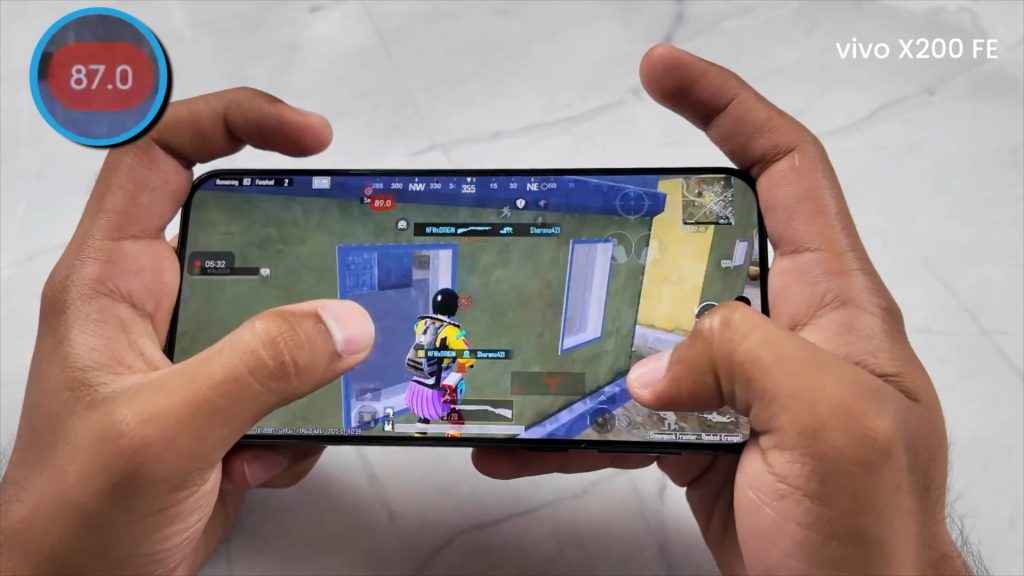
And here’s the revelation: Vivo stays cooler during prolonged tasks. Recording 4K video for 20 minutes isn’t a problem for the X200 FE, and the vapour chamber cooling does its job.
Verdict: Gamers and benchmark junkies should lean toward OnePlus. But Vivo is no slouch, and arguably smarter with thermals.
Battery: Big Numbers, Bigger Impact
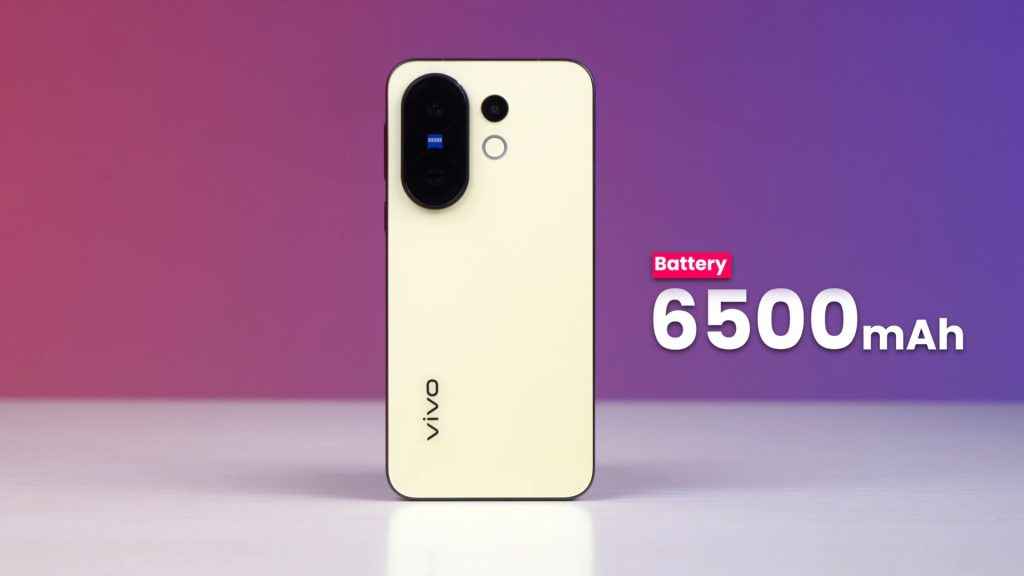
How Vivo managed to fit a 6,500mAh battery into this chassis is impressive. OnePlus counters with a still-generous 5,850mAh cell. On paper, Vivo wins. In practice, it’s closer than you’d think.
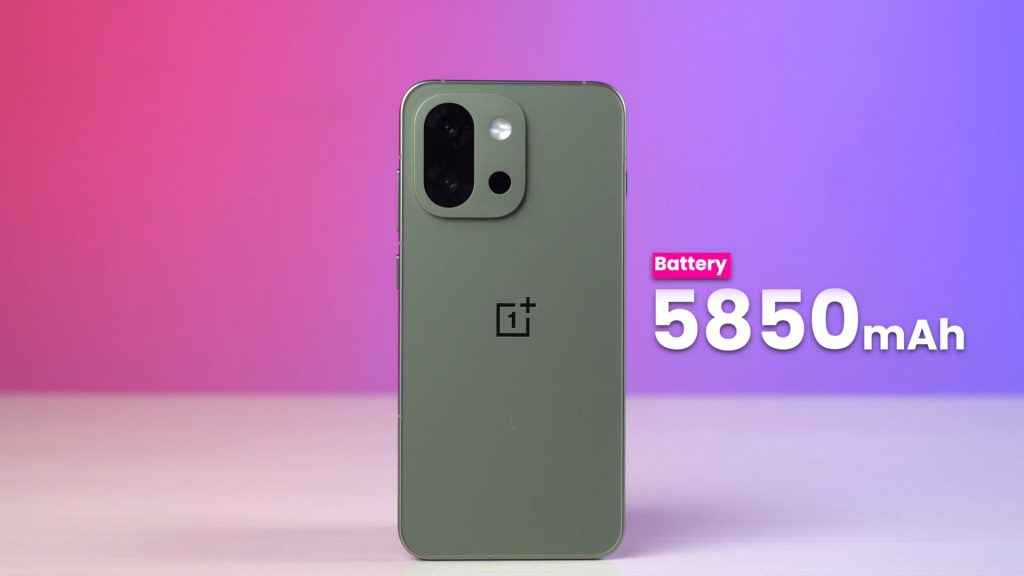
The PCMark battery tests had the OnePlus lasting about 90 minutes longer, roughly 22 hours vs 20.5 hours. That’s likely due to Snapdragon’s efficiency. But Vivo claws back with 90W charging, that’s just a few minutes faster.
For most users, both phones will last a day and a half. But if you’re a traveller or a mobile content creator, someone who doesn’t always have a plug nearby, Vivo’s larger tank might be the better bet.
Verdict: Draw. OnePlus lasts longer. Vivo charges faster. Pick your priority.
Cameras: The Real Separation
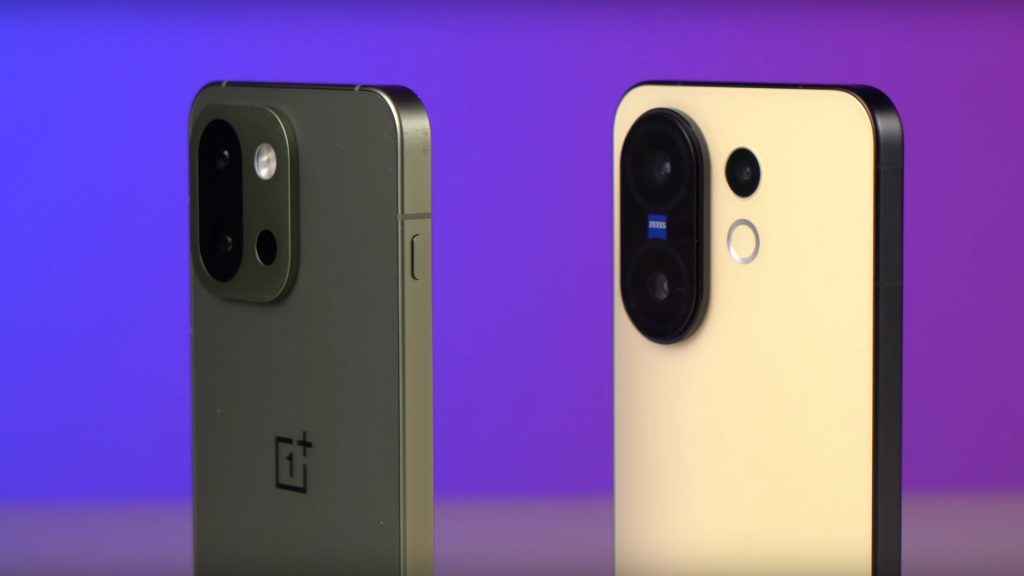
Let’s not sugarcoat this: the Vivo X200 FE wipes the floor with the OnePlus 13s when it comes to camera versatility and output.
Both have 50-megapixel main sensors (Vivo’s Sony IMX 921 vs OnePlus’ Sony LYT-700). But only Vivo adds a 3x periscope zoom and a usable ultrawide. It’s a full trio of perspectives, backed by ZEISS optics and colour science.
Portraits look cinematic, with DSLR-level realistic blur, and the 10x hybrid zoom is impressive: I captured a squirrel from across a park and could make out individual whiskers. Vivo again pulls ahead in Night mode with better skin tones and less aggressive noise reduction.
The OnePlus 13s, by comparison, is functional. Daylight shots are clean, and the dynamic range is respectable. But there’s no ultrawide, and no zoom past 2x. You feel boxed in, creatively speaking.
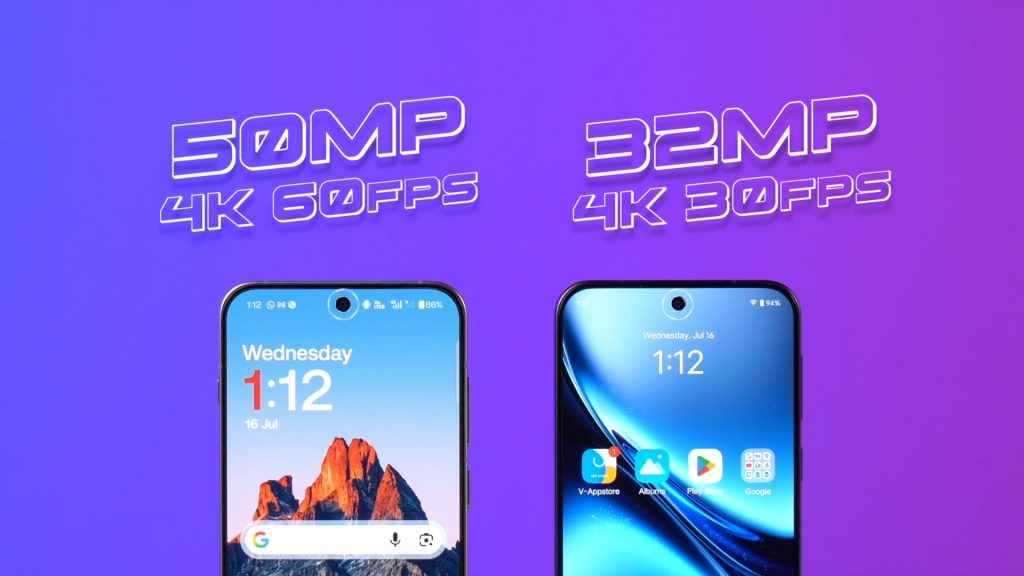
Selfie lovers, take note: Vivo records 4K at 60fps on the front camera. OnePlus caps out at 4K 30. If you vlog or FaceTime a lot, that’s a real difference.
Verdict: Vivo is for storytellers and casual filmmakers. OnePlus is just… fine.
Software & Updates: Two Philosophies
OxygenOS on the OnePlus 13s remains one of the cleanest Android skins out there, fluid, stable, and now armed with thoughtful AI features like live transcription and instant summaries. The customisable Plus Key is surprisingly useful too.
Funtouch OS on the Vivo X200 FE still feels heavier, but it’s grown up. It doesn’t lag. The camera app is full of smart tricks like Reflection Erase and Magic Move, which sound gimmicky but actually work when you’re editing on the go.
Both brands promise long-term support. OnePlus offers 4 years of Android updates and 6 years of security. Vivo offers 4+5, which is not bad.
Verdict: OnePlus wins for clean, fast UI. Vivo wins for creative tools baked in.
Final Verdict: Which One Deserves Your Pocket?
If you’re someone who captures the world, be it through photos, videos, or spontaneous reels, the Vivo X200 FE is hands-down the better camera phone. Add to that a brighter display, rugged water resistance, and creative features that aren’t fluff, and you’ve got something special.
But if you want a phone that just works, snappy, minimal, and fast, and you don’t mind a simpler camera setup, then the OnePlus 13s might be a better daily companion.
The truth is, both of these are excellent. But they aren’t aiming for the same user. And maybe that’s a good thing.