
Samsung Galaxy Z Fold 7 vs Vivo X Fold 5: Which foldable wins in daily use, not just on paper?
 Follow Us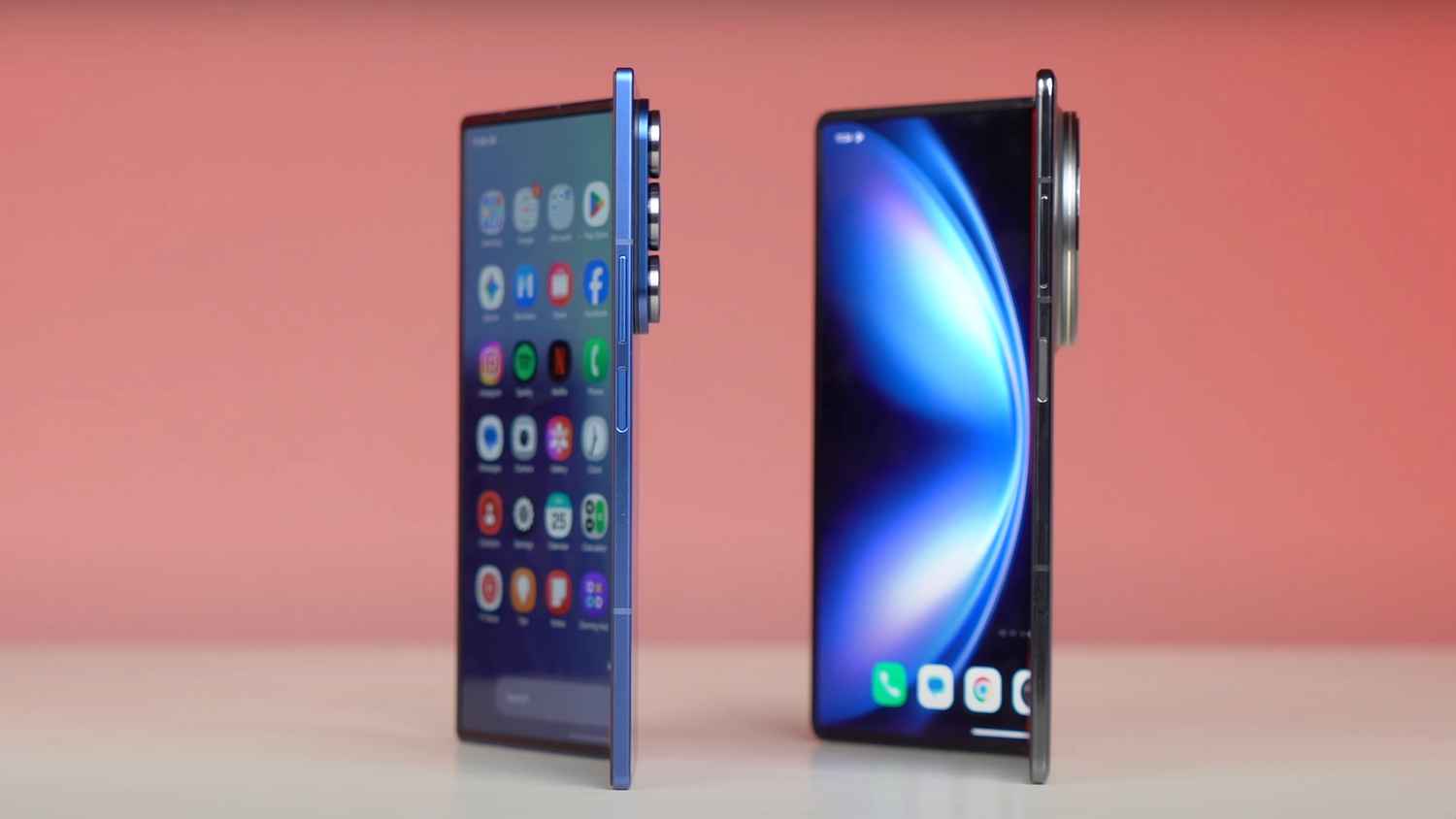

The Samsung Galaxy Z Fold 7 and the Vivo X Fold 5 are both premium foldables that scream flagship while they burn a hole through your wallet. But spend a week with each and you’ll realize that the question isn’t “Which is better?” but rather, “Who are you?”. One wants to be your forever partner and the other wants to be your forever fling. But which once should you choose? Read on
 Survey
Design: A Tale of Two Feelings
The Fold7 is Samsung’s sleekest foldable yet. At 215 grams and 4.2mm thin when open, it doesn’t just fit in your pocket, it feels like it belongs there. The titanium under the display adds a certain stiffness you can actually feel when unfolding it. The hinge is smooth like a knife through warm butter, and with IP48 and Gorilla Glass Ceramic 2, it feels like it was built in a lab.
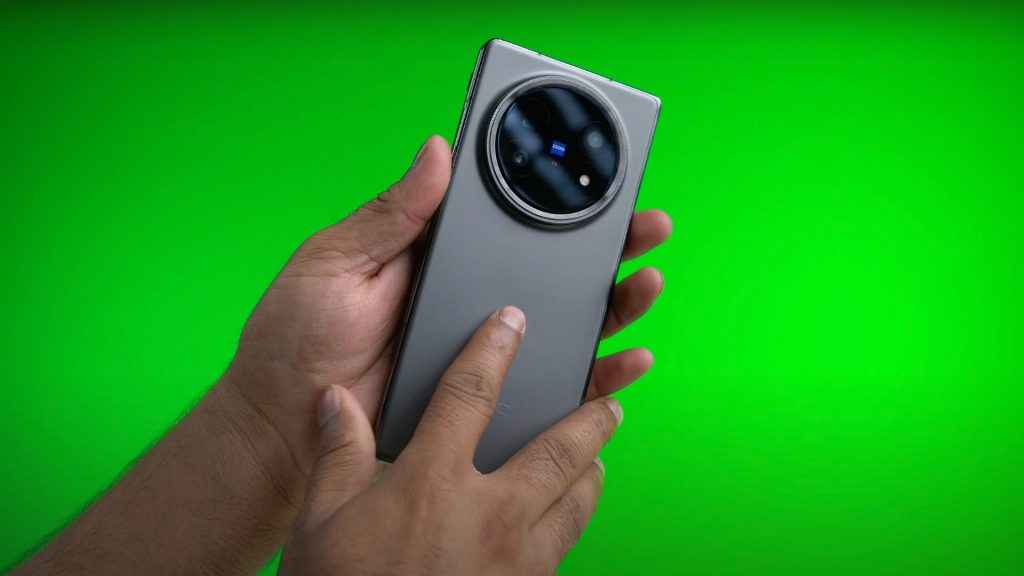
Then there’s the Vivo X Fold5. Two grams heavier, sure, but it’s like comparing a hardcover novel to a fashion magazine. There’s more density, more presence. The hinge is rock-solid and the IP58 rating with IP59+ makes it technically more durable than Samsung’s. So yes, it’s chunkier, but also tougher.
The Fold 7 feels like a Swiss watch and the X Fold 5 like a German tank with leather seats. So, pick your poison.
Displays: Subtle Accuracy vs Saturated Punch

If screens were personalities, Vivo’s would be the friend who shows up to brunch in sunglasses and confidence. It’s absurdly bright at 3,250 nits on the main panel and nearly 3,000 on the cover. But it’s not just about visibility, our Calman tests came back with a Delta E of 0.9, 68,000:1 contrast ratio, and 99.5% colour gamut coverage. That’s studio-grade calibration done right.
Samsung’s Fold7 hits 2,400 and 2,480 nits, respectively. Slightly lower on paper, but it has that typical Samsung tuning: punchy colours, slightly saturated hues, and an overall vibrant feel. A Delta E of 1.6 and 100% colour gamut make it excellent, just in a different way.
Vivo’s for colour accurate nerds and confident outdoor use. Samsung’s for binge-watchers and people who like their pixels a little extra.
Performance: Workhorse vs Work-Life Balance
Vivo X Fold 5 is powered by the Snapdragon 8 Gen 3 while Samsung’s gone all-in on the new Snapdragon 8 Elite. The latter posts higher multi-core scores: 8,405 vs Vivo’s 6,609, which means heavier tasks like desktop-mode multitasking, emulation, and exporting chunky files feel breezier.
But Vivo’s no slouch. Taks such as app switching are quick and fluid, and its got a more consistent app background usage. Even under load, it maintains 83% CPU performance, just edging Samsung’s 82%.
In gaming samsung’s GPU wins, but Vivo takes the long game: 5+ hours more battery life, thanks to better thermal and power efficiency.
Samsung brings seven years of software updates, Android 16 to Android 23, which is basically a software pension plan. Plus, DeX Mode, taskbar, and multi-window support make this a productivity powerhouse.
Vivo’s lighter on the long-term (4+5 years), but Funtouch OS 15 gets the daily stuff just right. The Origin Workbench floating windows, snappy gestures, and zero bloat make for a joyously fluid day-to-day.
Battery Life: Not Just Bigger, but Better
You know how most foldables quietly ask you to compromise on battery? These two don’t. But one of them rewrites the rules entirely.
The Samsung Galaxy Z Fold 7 packs a 4,400mAh battery, which may sound modest in the era of 5,000mAh+ slabs, but it’s held its own surprisingly well. In real use, it gets through a day with moderate usage that include emails, social, maps, light gaming without panic. It also supports 25W wired charging, 15W wireless, and 4.5W reverse wireless, which feels standard-issue for a Samsung-premium device. You’ll get 50% in 30 minutes, and a full charge takes a bit over 90 minutes.
Now enter the Vivo X Fold 5, and suddenly, Samsung feels like it’s coasting. A 6,000mAh Si/C battery means you’re looking at easily 1.5x the screen time of the Fold7. This phone just keeps going. In PCMark tests, the Vivo clocked over 20 hours on moderate use patterns. In our daily use which includes a camera-heavy shoot, app hopping, and hotspot tethering, the Fold 7 dipped into power-saving by 7PM, while the Vivo still had 28% left at bedtime.
And Vivo goes all out in the charging department. The X Fold 5 has support for 80W wired, 40W wireless, and even reverse wired + 5W reverse wireless. A full charge from zero takes just under 50 minutes.
Cameras: Moody vs Masterful
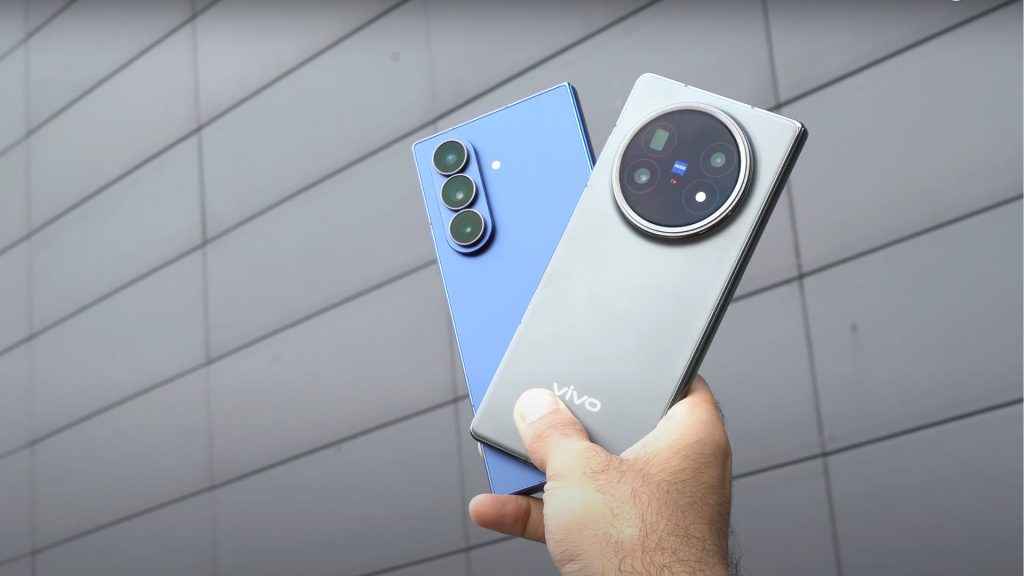
Both the Vivo X Fold 5 and the Samsung Galaxy Z Fold 7 can shoot like flagships. But they don’t see the world the same way.
Vivo’s images are full of energy with punchy skies, saturated reds and brightened shadows. It’s the kind of images that gets dropped straight into Instagram without needing tweaks. But Samsung gets you the photos you work with. Natural tones, more dynamic range, and better raw information in the highlights and shadows.
Take the cityscape shots for instance, the X Fold 5 turns the sky to a richer blue and the foliage to a glowing green. Samsung preserves the haze, the smog, and the subtle gradient of light across glass. One is cinematic, the other documentary.
Now, zoom is where Samsung flexes, despite Vivo offering a 100X digital zoom, the actual sharpness collapses after about 30X. In our sample of a distant building, Samsung’s 30X shot is legible, clean, and usable. Vivo’s is still decent, but softer, watercolour-like with visible noise and less clarity. If you’re shooting signs, far-off text, or architectural details, Samsung’s telephoto camera delivers more usable zoom results.
At night, Samsung handles neon and streetlights like a pro. Look at the neon sign sample, the greens on Samsung are controlled, defined, with no bloom. Vivo’s version is brighter, yes, but also bleeds the signage, softens edges, and introduces light flaring. That theme continues with other signages too, Samsung’s got this dark but clean look, while Vivo gives you a bright and buzzy approach that leans more casual.
Vivo is ahead when it comes to food and macro shots. Whether it’s pizza crust texture or a close-up of a flower’s petal veins, Vivo’s Zeiss-enhanced tuning makes details pop in a way that looks instantly shareable. That contrast-heavy, colour-forward processing flatters dishes, nature, and textures, whereas Samsung sometimes flattens colours slightly in favour of tonal realism.
In portraits, that Fold 7 shows smooth gradients, perfect bokeh falloff, and natural skin rendering that avoids the plastic over-processing some phones still struggle with. Vivo’s portraits, while dramatic, tend to amp up the contrast and saturation a touch more than usual, especially under indoor lighting.
Indoor lighting tests with art prints and white walls confirmed this: Samsung edges ahead on white balance accuracy and finer detail, especially when looking at the art prints under controlled warm lighting.
So ask yourself, are you capturing moments or moods? Because these cameras both shine, just under different lights.
Verdict: Who’s It Really For?
After flipping, folding, editing, and commuting with both of these foldables, one thing became clear:
The Galaxy Z Fold7 is a long-term commitment. It’s for people who think of their phone as their second brain. It’s polished, reliable, and serious about the future.
The Vivo X Fold5 is that spontaneous road trip with your best friend. It’s fun, fast, better at surprises, and easier to fall in love with.
Samsung plays the long game. Vivo plays the now game.


