

Oppo Find X9s vs Vivo X300 FE: Which sub-Rs 80,000 flagship makes more sense?
 Follow Us

If smartphone brands wanted to make buying decisions more complicated in 2026, they are certainly doing a good job of it. Oppo and Vivo have recently introduced two smartphones that occupy a rather unusual position in their respective line-ups. On one side is the Oppo Find X9s, sitting between the Find X9 and the Find X9 Pro. On the other hand, the Vivo X300 FE is positioned between the Vivo X300 and the X300 Pro. At first glance, both phones look like attractive alternatives for buyers who want flagship features without spending top-end flagship money. They offer premium designs, capable camera systems, large batteries and high-refresh-rate displays. However, one detail makes their existence slightly puzzling. Both devices are priced very close to their standard counterparts, which naturally raises questions about where they actually fit in the market.
 Survey
After spending time comparing the two, I found a few differences. While both phones target similar buyers, they take noticeably different approaches in key areas such as performance, display quality, battery life and cameras. Let’s dive in.



Oppo Find X9s vs Vivo X300 FE: Design and build
The first thing that stands out about both the Find X9s and the X300 FE is their focus on comfort. At a time when flagship smartphones continue to become larger and heavier, Oppo and Vivo have opted for designs that feel more manageable in everyday use.
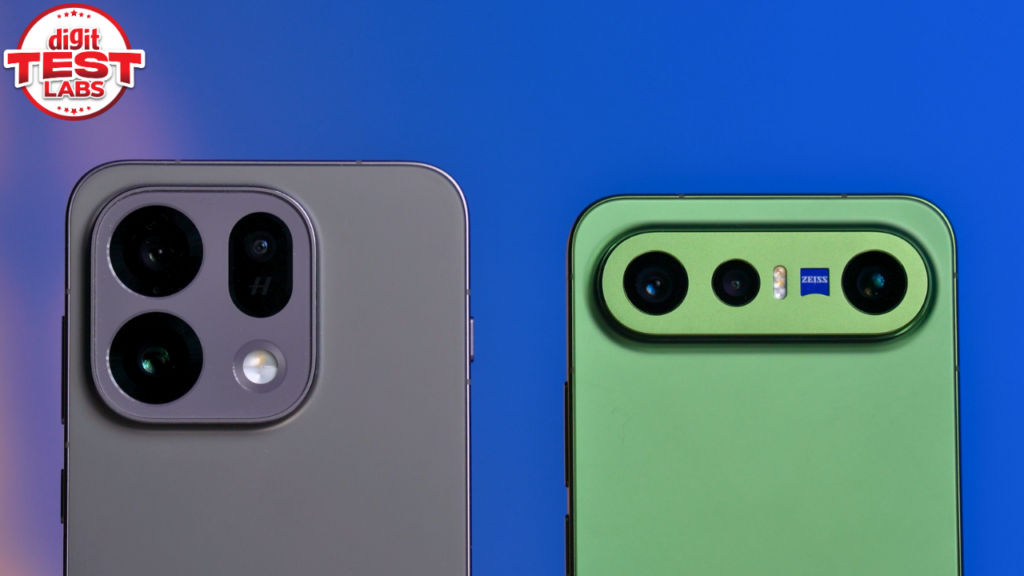
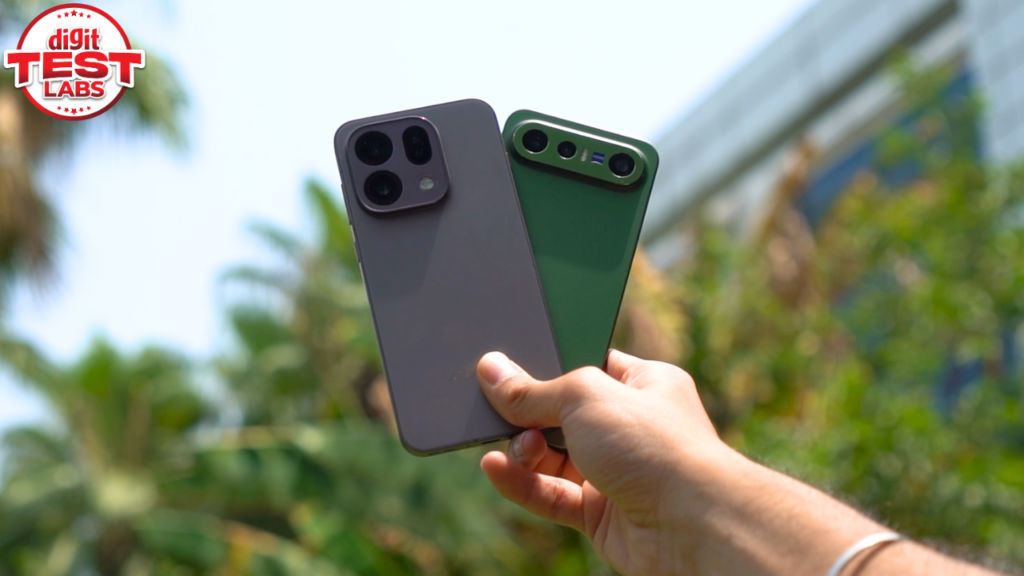
The Oppo Find X9s adopts a clean and understated design language. It features flat sides, rounded corners and a square camera module that blends neatly into the rear panel. The Vivo X300 FE takes a slightly different route with a horizontal pill-shaped camera island that gives it a more distinctive appearance.
While the Oppo looks more elegant and subtle, the Vivo feels a little more modern and visually unique.

Both phones measure 7.99mm in thickness, but there is a noticeable difference in weight. The Vivo X300 FE weighs 191 grams, making it slightly easier to carry, while the Oppo Find X9s comes in at 202 grams.
Material quality is excellent on both devices. The Oppo Find X9s uses a matte rear finish that does a great job of resisting fingerprints, while the Vivo X300 FE combines matte glass with an aluminium frame that feels a touch more premium in hand.
Durability is also well covered, with both smartphones offering IP68 and IP69 ratings for water and dust resistance.
Oppo Find X9s vs Vivo X300 FE: Display
The Oppo Find X9s features a 6.59-inch LTPS AMOLED panel with a 1.5K resolution and a 120Hz refresh rate. Vivo goes with a smaller 6.31-inch LTPO AMOLED display while retaining the same resolution and refresh rate.
Due to its size, the Oppo offers a slightly larger viewing experience, while the Vivo feels more compact and easier to use with one hand.
Brightness figures on paper favour Vivo quite heavily. Oppo claims up to 3,600 nits of peak brightness, while Vivo advertises 5,000 nits. In practical use, the difference is noticeable. In the Digit Test Labs, Oppo reached around 1,850 nits in High Brightness Mode (HBM), which is already more than sufficient for outdoor visibility. The Vivo, however, pushed close to 3,000 nits in HBM, making it one of the brightest displays in this segment.

Colour reproduction is another area where Vivo gains an advantage. Content appears more natural, whites look cleaner, and overall image quality feels slightly more refined. The Oppo display is still very good, but it leans towards more vibrant colours rather than strict colour accuracy.
For media consumption, both are enjoyable, but the Vivo X300 FE delivers the more polished display experience overall.
Oppo Find X9s vs Vivo X300 FE: Performance
The Oppo Find X9s is powered by the MediaTek Dimensity 9500s chipset, while the Vivo X300 FE runs on Qualcomm’s Snapdragon 8 Gen 5 processor.
Benchmark results reflect this difference quite clearly. The Vivo consistently outperformed the Oppo across Antutu and Geekbench testing, delivering stronger single-core and multi-core performance.
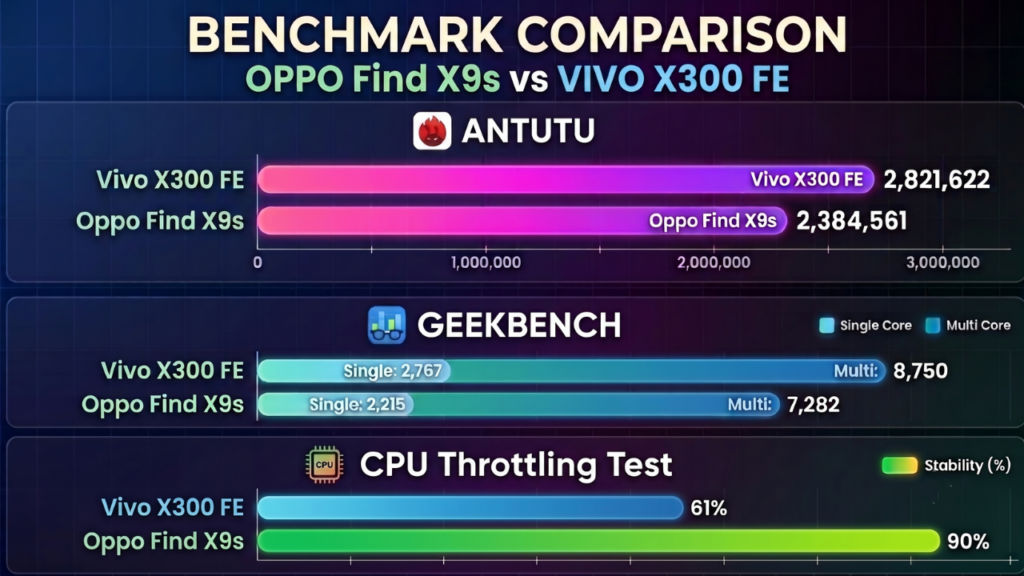
What makes things more interesting is that the standard Oppo Find X9 (3.44 million) reportedly scores higher than both devices in Antutu benchmarks. That creates an unusual situation where the slightly higher-priced standard model offers significantly stronger raw performance.
In everyday use, though, both smartphones feel fast. App launches are quick, multitasking remains smooth, and navigation across the interface is responsive.
Having said that, the Vivo X300 FE tends to warm up more during extended gaming sessions and heavy workloads, particularly around the frame. The Oppo manages heat slightly better and feels more comfortable during longer periods of use.
Gaming performance is also solid on both phones, although neither feels designed specifically for gamers. On Oppo Find X9s, BGMI support is limited to 90fps, with no 120fps option available. While the Vivo X300 FE supports 120fps gaming in BGMI. Overall, Vivo maintains more consistent frame rates during extended sessions, but Oppo offers better thermal comfort.
Oppo Find X9s vs Vivo X300 FE: Cameras
Oppo and Vivo are two smartphone brands known heavily for their cameras, and the camera system is likely to be one of the biggest deciding factors for many buyers.
The Oppo Find X9s comes equipped with a 50MP Sony LYT-700 primary camera, a 50MP ultra-wide sensor and a 50MP 3x periscope telephoto lens.
The Vivo X300 FE features a 50MP Sony IMX921 main camera, an 8MP ultra-wide camera and a 50MP 3x telephoto lens enhanced by ZEISS tuning.
The differences in image processing become apparent immediately.
Photos from the Oppo tend to have a slightly cooler look, while Vivo generally produces colours that are closer to real life. Detail retention is also better on the Vivo, giving images a cleaner and more refined appearance. HDR performance is strong on both devices, although Vivo occasionally pushes highlights a little too far.




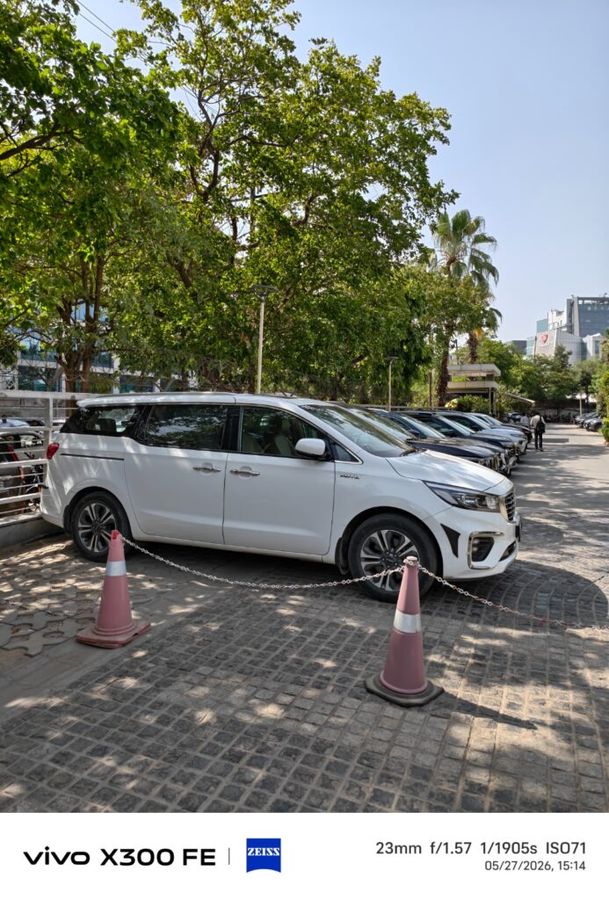


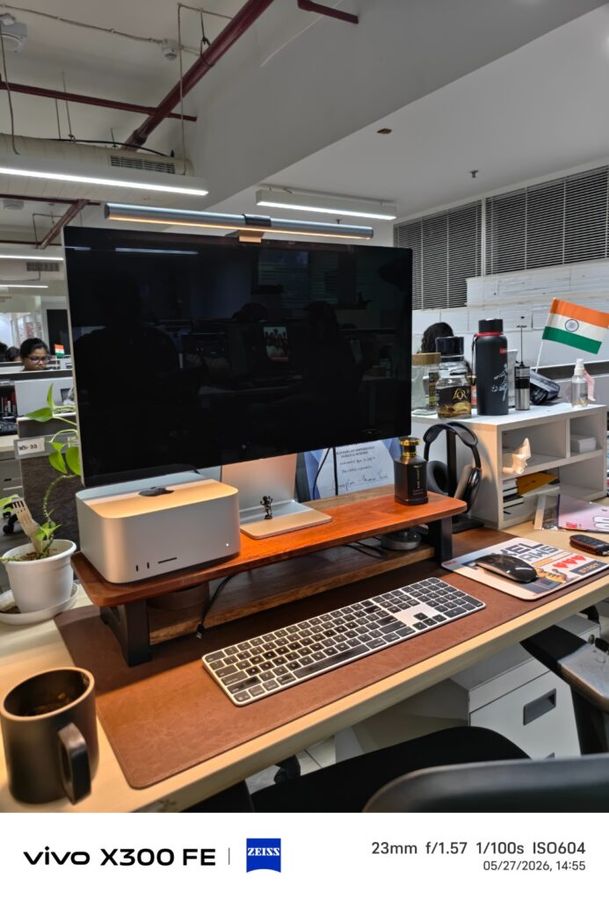











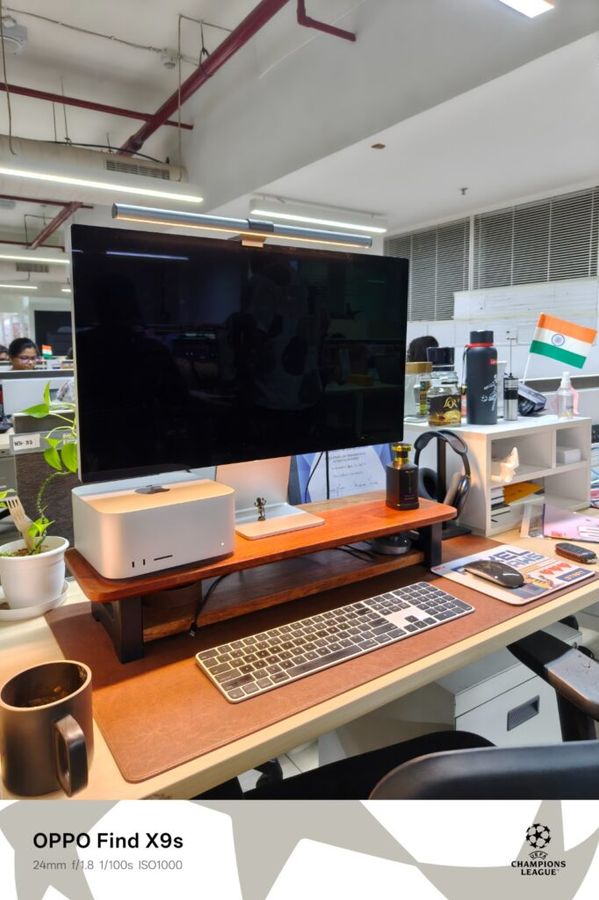




Ultra-wide photography is where Oppo comfortably wins. The 50MP sensor captures noticeably more detail than Vivo’s 8MP alternative. Images appear sharper, richer and more pleasing overall.
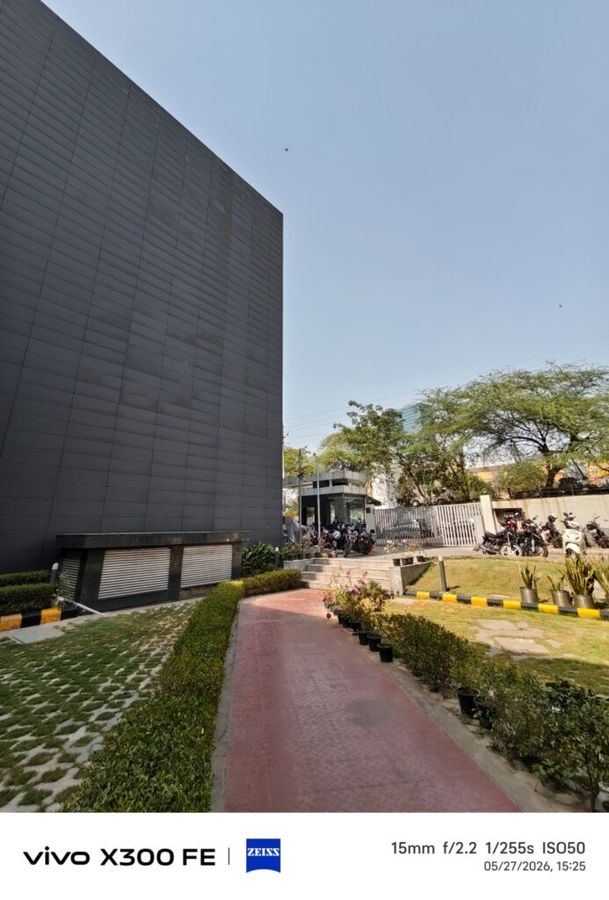
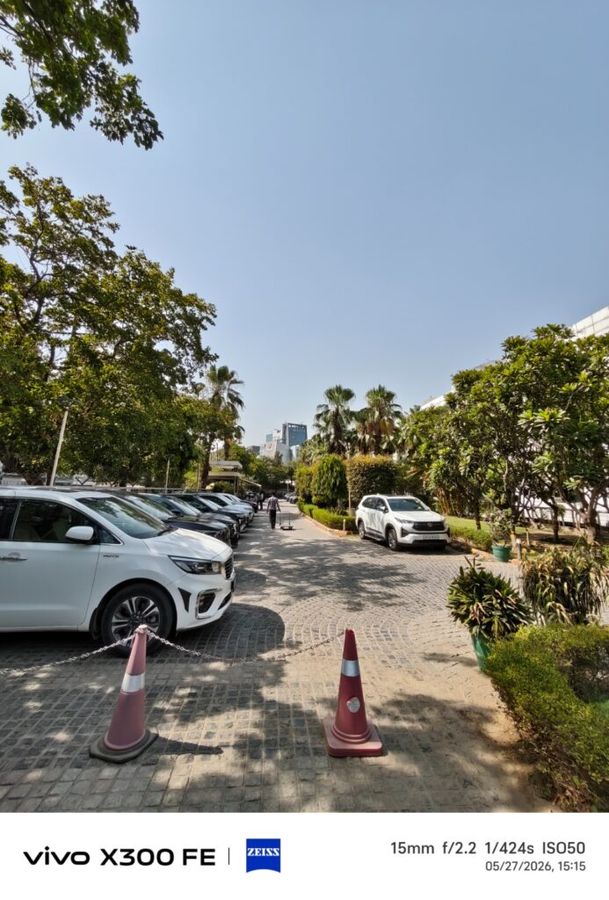
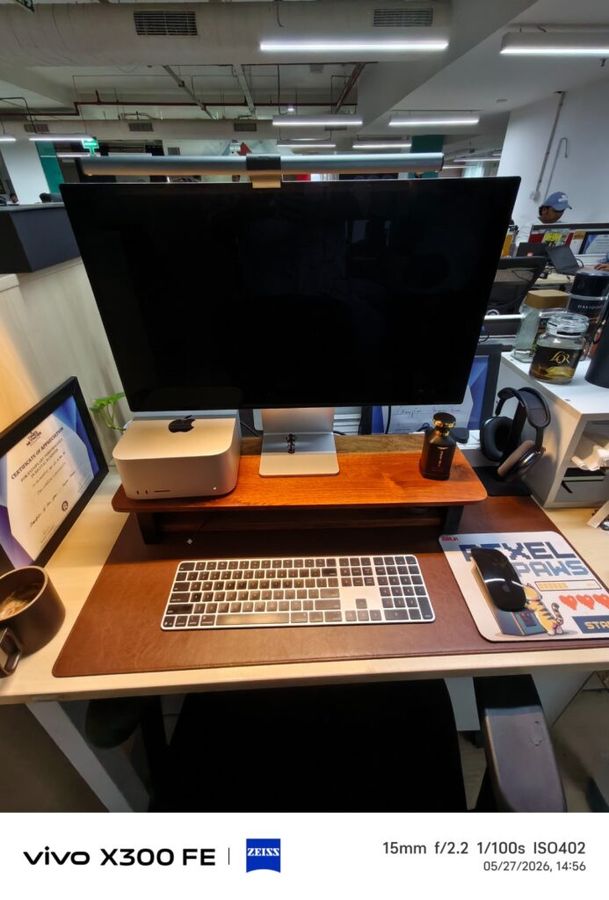



When it comes to portrait photography, the Vivo X300 FE delivers excellent results thanks to its ZEISS tuning. Skin tones look natural, background blur appears smooth and subject separation is consistently impressive. The Oppo performs well, but it sometimes adds extra warmth to faces, which does not always look natural.

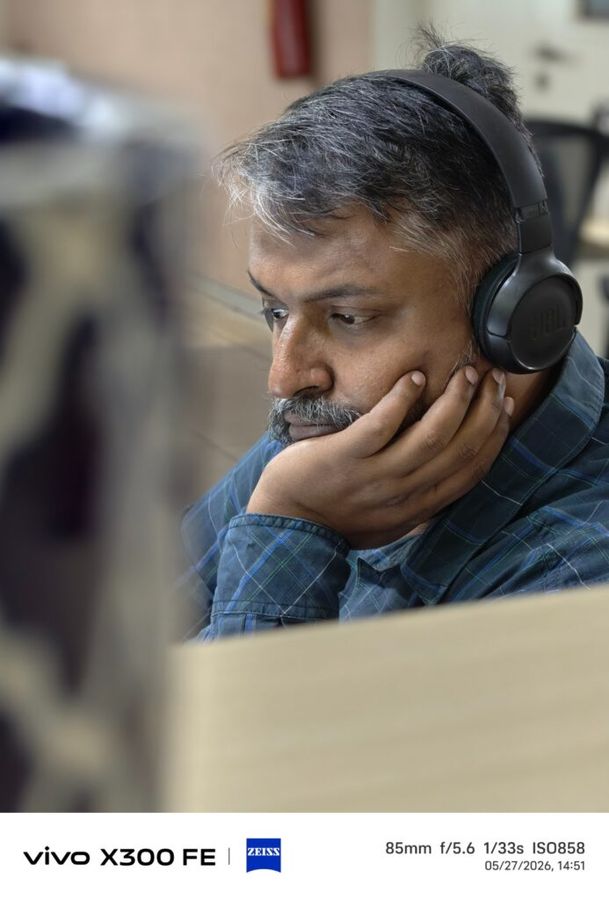








Vivo also supports an optional teleconverter kit, allowing users to push zoom photography further than the standard telephoto lens allows. While it remains a niche feature, it is an interesting addition for enthusiasts.
On the front, the Oppo uses a 32MP selfie camera, while Vivo opts for a higher-resolution 50MP sensor with ZEISS tuning.
Both capture detailed selfies, but Vivo again leans towards more natural colours. Oppo selfies often appear slightly more vibrant and can occasionally look oversharpened. Interestingly, portrait selfies from the Oppo often look more social-media friendly, with stronger subject emphasis.








Video recording is where Vivo gains a significant advantage. The Oppo Find X9s is limited to 4K 60fps recording, while the Vivo X300 FE supports 4K 120fps and even 8K video capture. For creators who regularly shoot video on their phones, that extra flexibility makes a noticeable difference.
Oppo Find X9s vs Vivo X300 FE: Battery Life and charging
The Find X9s packs a massive 7,025mAh battery paired with 80W fast charging. Vivo counters with a 6,500mAh silicon-carbon battery, 90W wired charging and 40W wireless charging support.
Surprisingly, battery test results favour Vivo. During PCMark testing, the X300 FE lasted nearly 24 hours, while the Oppo managed around 20.5 hours.
However, Oppo’s massive battery provides a reassuring sense of endurance and rarely leaves users worrying about remaining charge.
Charging speeds, however, favour Vivo. The X300 FE can be fully charged in under an hour, while the Oppo takes approximately 90 minutes.
Oppo Find X9s vs Vivo X300 FE: Software
The Oppo Find X9s runs ColorOS 16 based on Android 16, while the Vivo X300 FE ships with Funtouch OS based on Android 16. Both interfaces feel fast and responsive, but Oppo’s software experience comes across as slightly more refined. Animations feel smoother, transitions are cleaner, and the overall design appears more mature. Vivo has improved Funtouch OS significantly over the years, but it still feels more feature-heavy compared to Oppo’s cleaner presentation.
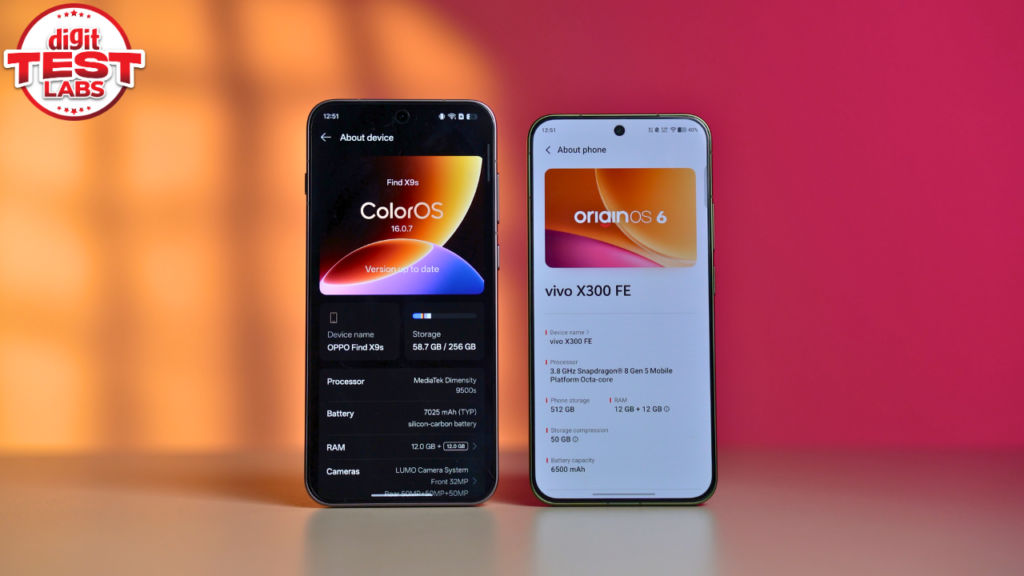
The two brands also focus on different AI features. Oppo offers tools such as AI Recorder and AI Bill Manager, while Vivo puts greater emphasis on AI-powered camera editing features, including object removal, reflection removal and image retouching.
Both manufacturers promise four years of Android updates alongside six years of security updates.
Oppo Find X9s vs Vivo X300 FE: Verdict
The most interesting thing about the Oppo Find X9s and Vivo X300 FE is not how good they are, but where they sit in their respective line-ups.
Viewed on their own, both are excellent smartphones. The Oppo Find X9s delivers strong battery life, a comfortable design and a well-balanced overall experience. The Vivo X300 FE counters with better performance, a superior display and a more capable camera system.
The bigger issue is that both phones sit very close to their standard counterparts in terms of pricing. That makes them slightly harder to recommend without considering the alternatives available within the same family.
If choosing strictly between these two devices, the Vivo X300 FE is the better option for buyers who prioritise cameras, display quality and performance. The Oppo Find X9s, meanwhile, is the easier recommendation for those who value battery life, comfort and day-to-day practicality above everything else.
Both are good phones. The challenge is deciding whether they make more sense than their standard counterparts.


