
Best phones for low light photography: Vivo X300 FE, Oppo Find X9s and more
 Follow Us
The Vivo X300 FE combines a 50MP Sony IMX921 sensor, Zeiss optics and a 50MP periscope camera for strong night photography and portraits.
The Oppo Find X9s, Samsung Galaxy S26 and Google Pixel 10 focus on realistic colours, controlled noise and better detail retention in challenging lighting conditions.
Apple's iPhone 17 stands out for dependable low-light photos and class-leading 4K night video performance powered by the A19 chip and Photonic Engine.

Smartphone cameras have reached a point where clicking pictures after sunset is no longer a problem. Companies have started using larger sensors, better lenses, optical image stabilisation, AI-powered image processing and advanced computational photography capabilities. This allows the users to capture impressive detail even in challenging lighting conditions. But it should be noted that not all devices approach low-light photography in the same way. Some priotise natural ambience and realistic shadows, while others focus on cleaner images with aggressive noise reduction.
 Survey
And if you are looking for some of the best smartphones for low-light photography without spending much, here are some of the best options.
Vivo X300 FE
The Vivo X300 FE comes with Zeiss collaboration and offers one of the strongest low-light photography experiences in its segment. At the heart of the setup is a 50MP Sony IMX921 primary sensor paired with a bright f/1.57 aperture. It also features Zeiss T coating, which is designed to minimise flare and ghosting caused by streetlights, headlights and neon signs. The phone also includes a 50MP Sony IMX882 periscope telephoto camera with OIS, allowing zoom shots and portraits to retain detail even in darker environments.
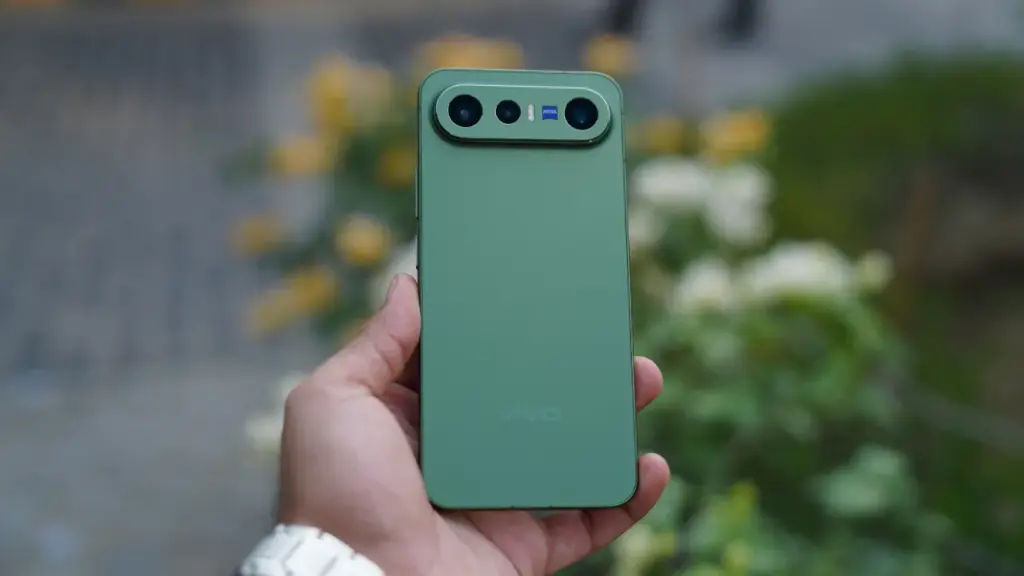
In real-world use, the X300 FE generally favours realistic exposures rather than artificially brightening scenes. In our testing, we noted that the image processing engine does a good job of preserving textures while keeping noise under control. High-contrast environments such as streets and markets are handled particularly well, with highlights remaining balanced and colours appearing vibrant.
However, you would not feel the same for the 8MP ultrawide camera. When used, you will notice drops in ambient lighting, softer details and even visible shadow noise.
Oppo Find X9s
The Oppo Find X9s is yet another device that can offer you great night photography. The device comes with a 50MP primary sensor with an f/1.8 aperture and OIS, a 50MP periscope telephoto camera offering 3x optical zoom and OIS and a 50MP ultra-wide camera with a 120-degree field of view.
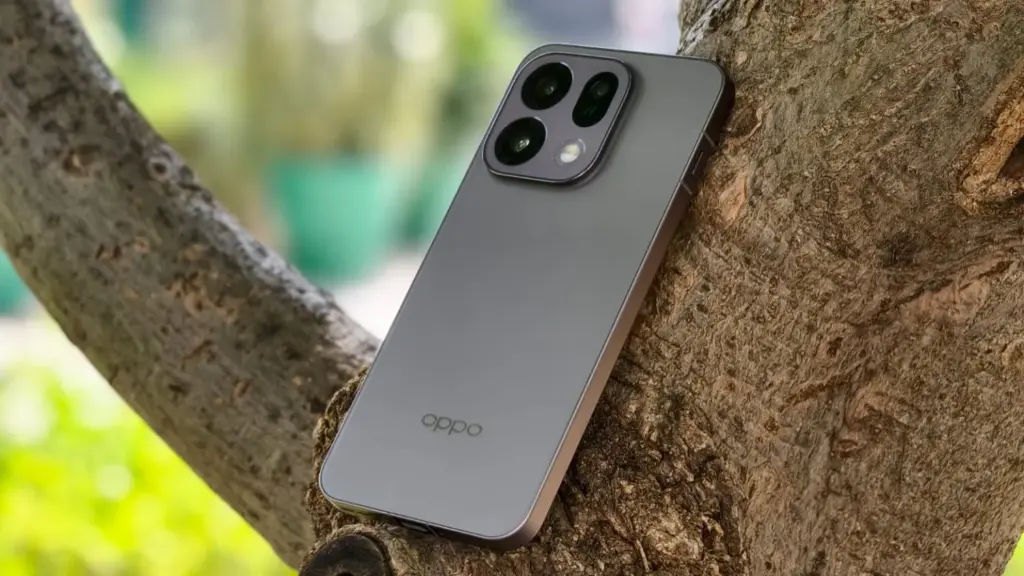
Speaking of why, the Find X9s has the ability to suppress grain in dark scenes. In our testing, we noticed that shadow areas often appear cleaner than on many competing devices. Rather than aggressively brightening images, the phone generally preserves realistic tones and natural contrast, which, by the way, is Hasselblad’s colour philosophy.
The Find X9s also introduces an AI Portrait Glow feature that automatically improves facial lighting in dim conditions. This simply means that portraits appear more balanced and not over-processed.
Samsung Galaxy S26
The latest Samsung flagship, the Galaxy S26, can also be considered. The device offers a 50MP main camera with an f/1.8 aperture and a 10MP telephoto lens offering 3x optical zoom. It captures detailed night photographs but applies less aggressive grain reduction than some competitors.
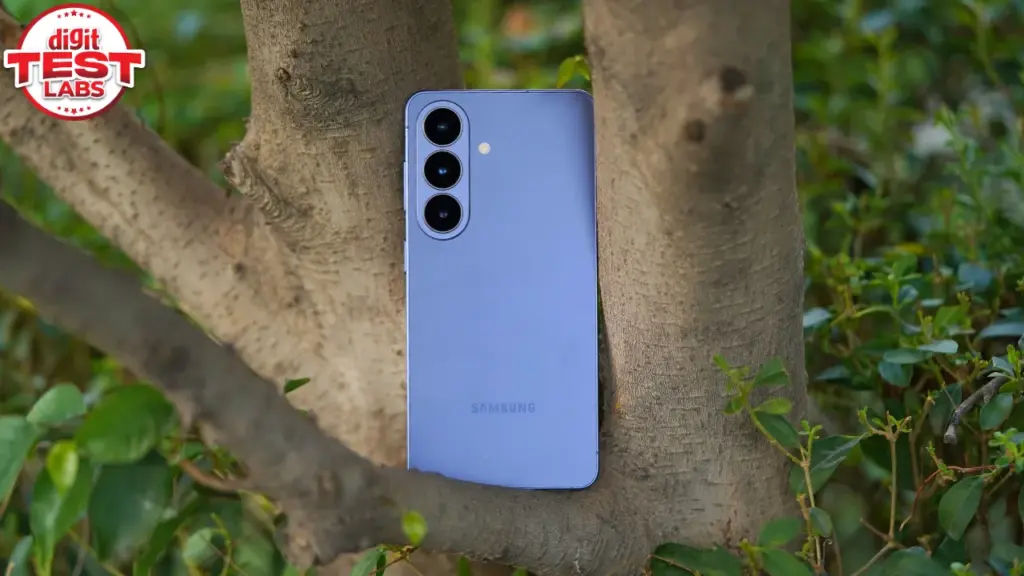
The One UI 8.5 has a dedicated Night Mode, which is largely integrated in the standard Photo mode which allows the phone to automatically detect and process dark scenes using multi-frame image stacking. And in practical use, the cameras can handle the mixed lighting situations particularly well.
Along with the photography, the low-light video recording is also strong. Compared to previous generations, the video footage shows better detail retention and fewer muddy artefacts when tracking movement at night.
Google Pixel 10
The Google Pixel 10 comes with a 50MP primary camera with an f/1.68 aperture, a 10.8MP telephoto camera with 5x optical zoom and support for up to 20x Super Res Zoom and a 13MP ultrawide camera. It also comes with Google’s Auto Night Sight, which is among the strongest software-driven low-light systems on the market.
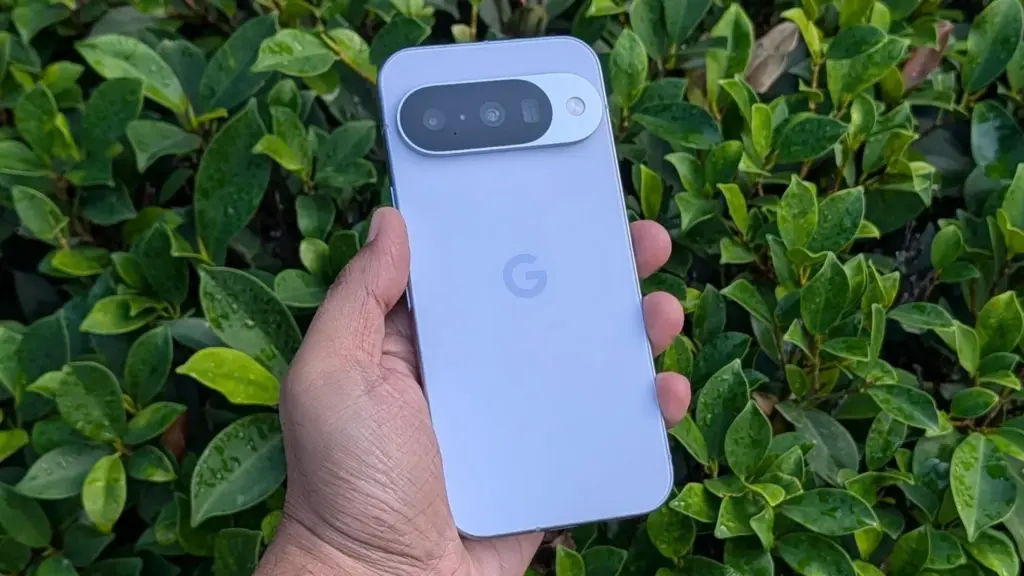
Instead of dramatically lifting shadows, the algorithm tends to preserve darker areas and maintain natural contrast. It can also handle motion handling, thanks to Google’s image processing pipeline. However, bright light sources such as street lamps and illuminated signs can occasionally show colour fringing or clipped highlights.
Apple iPhone 17
The Apple iPhone 17 comes with a 48MP Dual Fusion system and is among the most reliable smartphones for low-light photography, thanks to its A19 chipset and upgraded Photonic Engine. It aims to preserve natural lighting and shadow detail for a more realistic look instead of artificially brightening scenes.
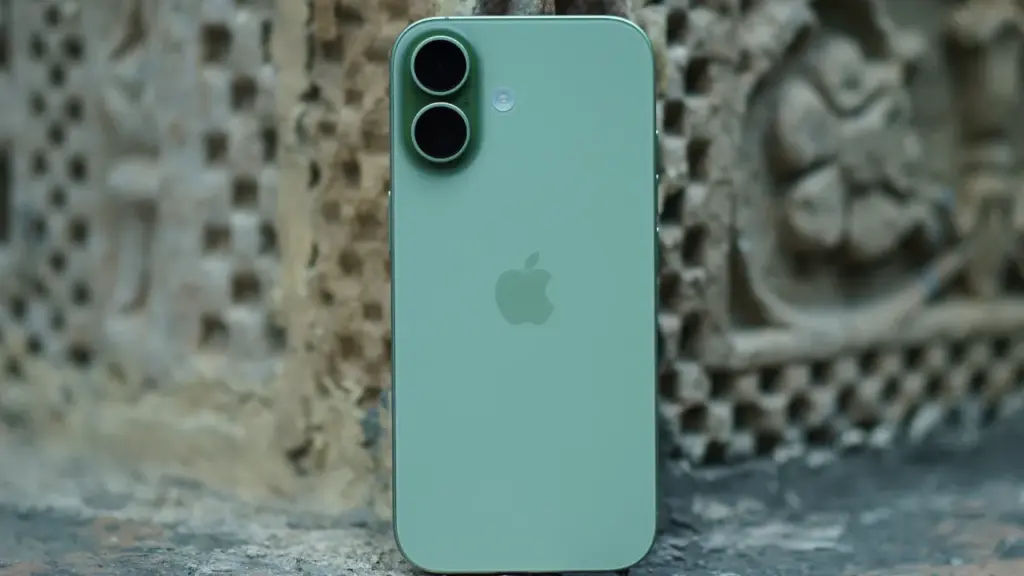
Despite lacking a dedicated telephoto lens, the phone’s 2x in-sensor zoom is very usable at night. You will get good colour accuracy and sharpness. The 18MP front camera is also good at taking pictures in dim lighting with reduced grain and preserving natural skin tones. Low-light video remains a major strength, with 4K recordings showing excellent noise control and stable subject tracking.
Which phone is best for low-light photography?
There is no single winner for this one. The Vivo X300 FE stands out for its Zeiss-backed optics and strong telephoto performance. On the other hand, Oppo Find X9s offers great control in noise and delivers realistic colours. Meanwhile, the Samsung Galaxy S26 comes with an improved overall camera performance, including Nightography capabilities. The Google Pixel 10 is a good choice for computational photography and moving subjects. The iPhone 17 is a recommended choice if you want to move to Apple’s ecosystem.


