
New NVIDIA SoCs powered Windows laptops coming: Why it matters
 Follow Us
NVIDIA’s PC-chip ambitions finally move beyond Tegra-era experiments
Soon to launch NVIDIA N1X could reshape Windows laptops around AI compute
A serious NVIDIA-ARM computing challenge to Intel, AMD, Qualcomm
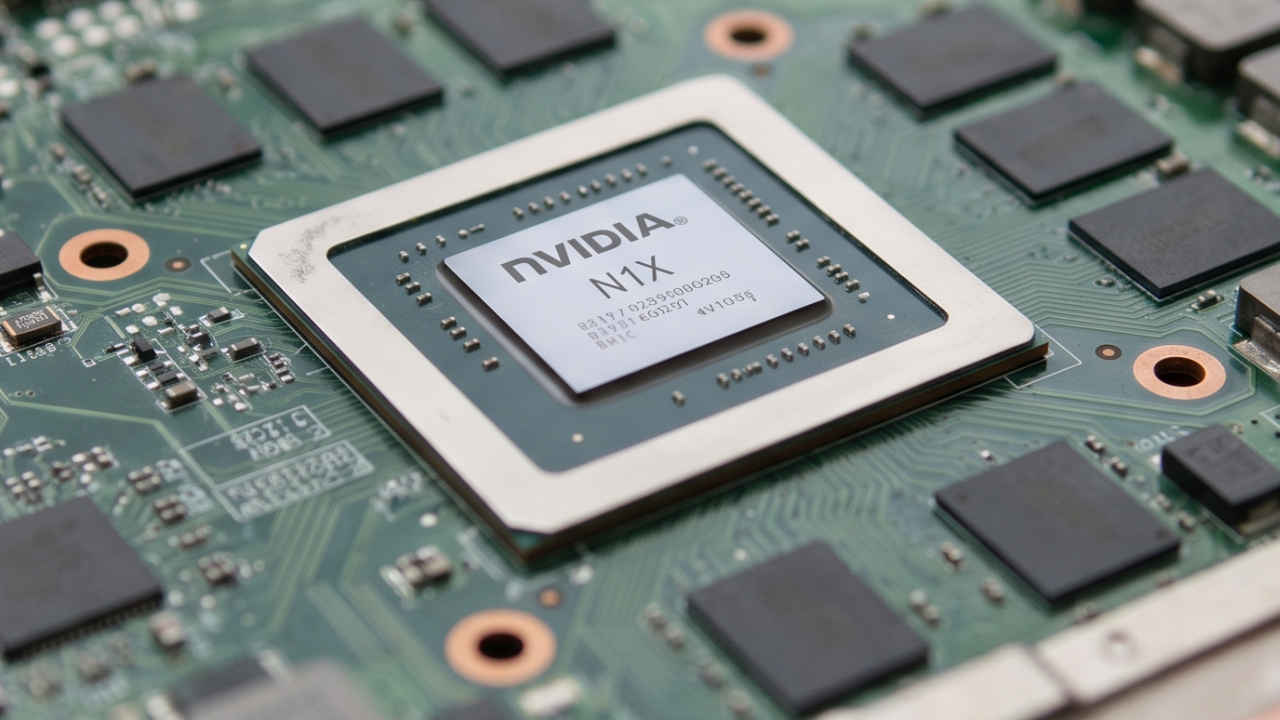

All of us who thought NVIDIA had abandoned the consumer tech segment to focus more efforts on making a killing in the AI and datacentre market, Computex 2026 promises to bring some much-needed good news.
 Survey
According to leaks and reports, it looks like NVIDIA is almost ready to make a big announcement that will put a smile on Windows laptops users. And no, it doesn’t look like another glorified GPU inside a mobile computing form factor. In all likelihood, it looks like an NVIDIA-designed ARM SoC that will power the whole Windows 11 PC in the near future.
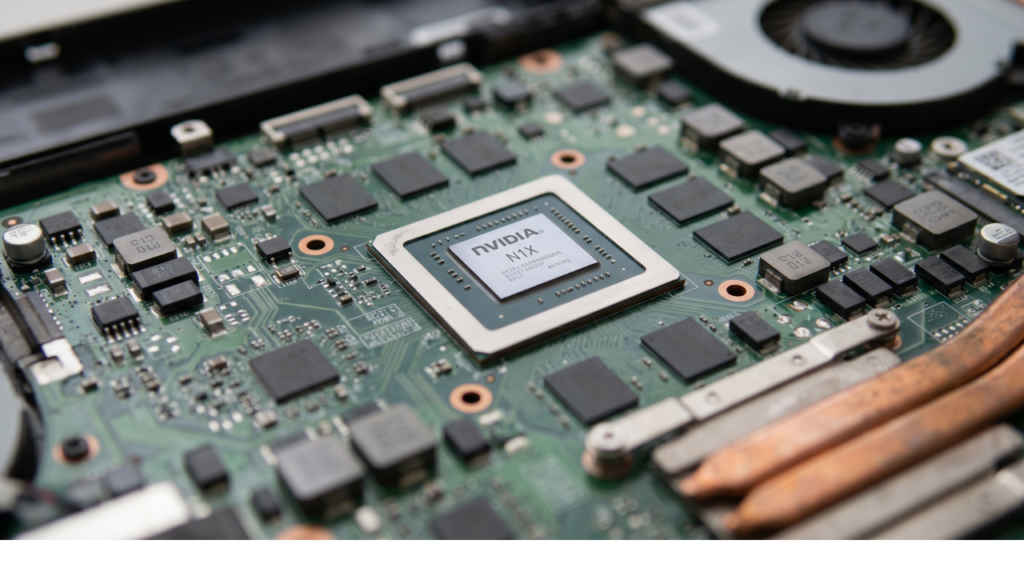
Leaked reports suggest the expected launch of NVIDIA N1 / N1X, an ARM-based Windows laptop platform developed with MediaTek’s help, which will have NVIDIA’s Blackwell GPU architecture integrated inside the SoC.
Although unconfirmed right now, leaked information suggests the soon-to-launch NVIDIA N1X chip uses Cortex-X925 and Cortex-A725 cores, Blackwell graphics, and power envelopes from 45–80W for N1X and 18–45W for N1. Just based on this, it looks like the new NVIDIA chips-based Windows 11 laptops aren’t meant to be for thin-n-light laptops like the Snapdragon X-series. They seem to be geared towards Apple’s M-series workloads.
Also read: AI is everywhere but handheld gaming could steal the show at Computex 2026
According to The Verge, NVIDIA’s N1 and N1X laptop chips-based laptop announcements are expected from the likes of Lenovo and Dell very soon.
So far, on Windows 11 PCs, NVIDIA has never been the main component, always the side-dish served next to Intel and AMD-based CPU configurations. That is what makes this upcoming N1 and N1X announcement so different.
This isn’t NVIDIA trying to smuggle itself into the PC through a graphics engine. Now, NVIDIA is attempting to become the PC’s singular, unified platform itself – kinda like how Qualcomm and Apple have done with their respective laptop sojourns so far.
For NVIDIA, this isn’t their first Windows PC rodeo. They’ve been here before, more than a decade ago, with failed adventures. With Project Denver, NVIDIA’s 2011 CES declaration to make high-powered ARM CPU cores from everything, Windows PCs to supercomputers. Who can forget Surface RT powered by the NVIDIA Tegra 3 chip? It was ARM before it was ready, Windows before it was ready, overall a cautionary tale.

But today, in 2026, the situation is much different. Windows on ARM is no longer a punchline for failure. Microsoft has shown it’s possible, as Qualcomm pioneered the category into legitimacy. Not to forget Apple here, which has proved that consumers don’t care about their laptop’s instruction sets if the machine is fast, quiet and lasts long enough to make the charger feel optional.
Also, NVIDIA isn’t merely asking whether Windows laptops need better graphics. Looks like it’s attempting to see if the modern PC should be organised around AI compute, unified memory, ARM efficiency, RTX graphics and CUDA familiarity from day one.
Of course, plenty of questions still remain. But this feels like NVIDIA’s most decisive PC-chip attempt ever. N1X, if it lands, isn’t trying to fit into the mould of the Windows PC that it was, because surely it will be aimed squarely to dictate where the PC is heading next. Intel, AMD and Qualcomm better watch out.
Also read: Computex 2026: Snapdragon C chipset, AI laptops and other announcements ahead of the show


