
Starlink has a radio wave problem that laser communication can fix, here’s how
 Follow Us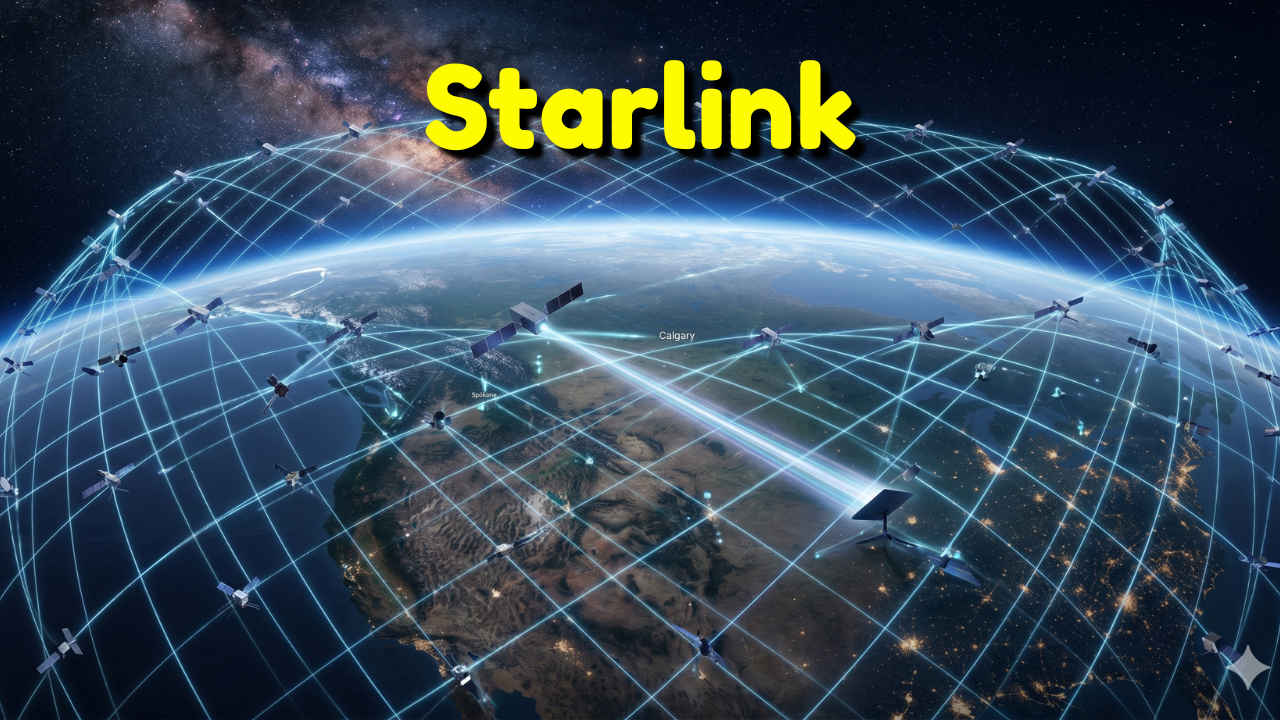

Today, there are over 10,200 Starlink satellites in the sky. Within a few years from now, the European Space Agency predicts that there will be about 100,000 operational satellites overall. This sounds like a victory of space technology in providing universal connectivity services – until you consider the problems these numbers create.
 Survey
Also read: More code, more vulnerabilities, more jobs: How AI is reshaping cybersecurity hiring
All existing satellites use the radio frequency spectrum to communicate with ground stations on the planet below. The ITU manages the frequency allocations to different applications across the world divided into three regions. As such, it can be demonstrated that there already is competition for radio spectrum resources. One particular example is the Ku-band that is currently utilized by Starlink and Eutelsat OneWeb satellites for the downlink communications. Due to the difference in altitude (approximately 500 km for Starlink and 1,200 km for OneWeb), all communications conducted through OneWeb satellites are prone to interferences from nearby Starlink satellites.
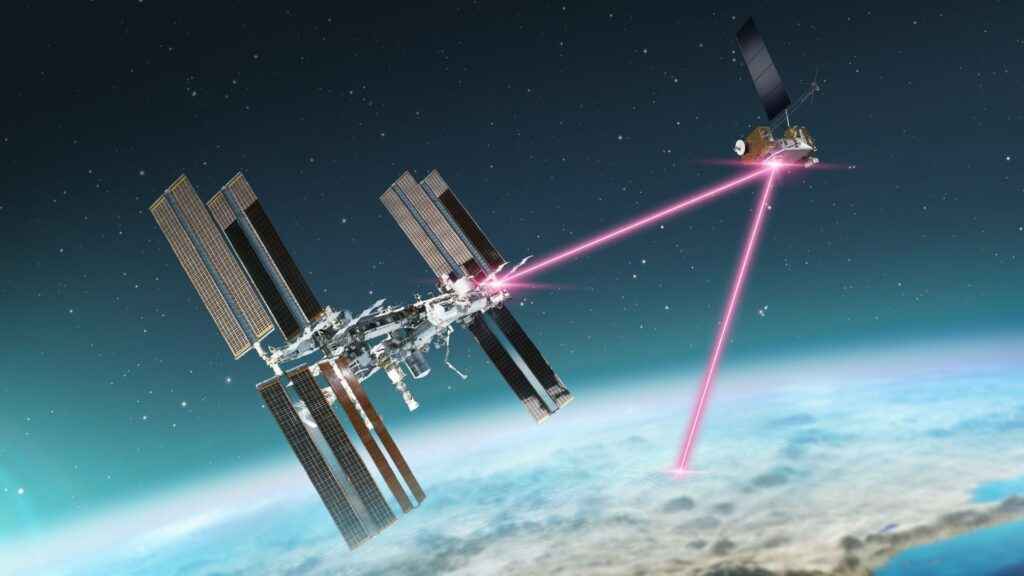
And the convergence answer from the industry in this regard is using lasers or optical communication. This method is different from radio communications in the use of infrared light to transmit data. Infrared is much faster in terms of frequency and thus offers huge bandwidth. Laser communications also move as a narrow beam of light, hence cannot be interfered with because only within the line of sight will it pass the information. To any military or intelligence agency, that is a crucial consideration.
Also read: Claude Mythos finds 10000 bugs: Is Indian industry ready?
The Starlink network already connects its spacecraft in the sky using a laser communication system and thus has formed a network where data transfer occurs without landing in ground control centers. The problem that needs to be solved now is the last mile; space-to-ground communication. Using laser communication is quite challenging because of atmospheric effects. Clouds can obstruct or distort a laser beam completely. To this end, a Lithuanian firm known as Astrolight is developing a series of ground-based stations that can act as back up when there are clouds covering other stations.
Astrolight’s CTO Dalius Petrulionis describes space-to-space laser communication as already a proven technology. Space-to-ground is where the next battle is. NASA’s Artemis II mission demonstrated what is possible, using an optical system to send over 100 gigabytes of data back from lunar distance. If the engineering around atmospheric compensation can be cracked at commercial scale, the radio spectrum crunch that Starlink and its competitors are already bumping into could have a real exit ramp.
Also read: Google Spark: I have some data privacy concerns, here’s why


