
Scientists develop blood test that reveals how fast your organs are aging
 Follow Us

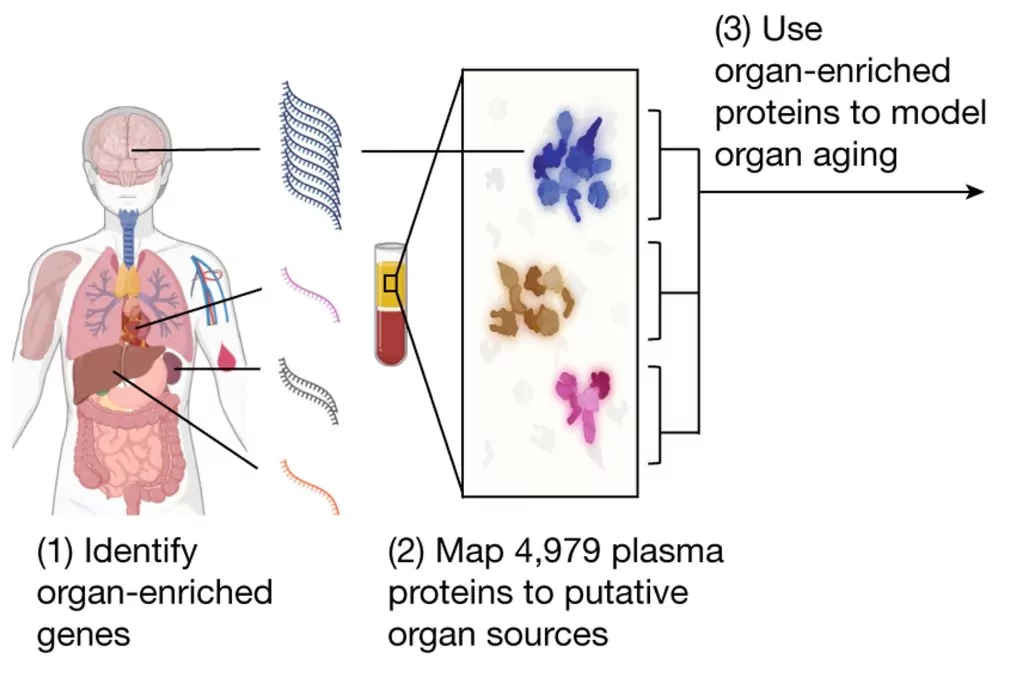
In a breakthrough that could redefine how we monitor aging and disease, scientists at Stanford Medicine have unveiled a blood test capable of measuring how fast your organs are aging individually. The study, led by neuroscientist Tony Wyss-Coray, details how blood proteins can be used to estimate the biological age of 11 key organ systems: brain, heart, liver, lungs, kidneys, muscle, pancreas, immune system, fat, intestines, and blood vessels.
 Survey
Unlike traditional health checkups that treat the body as a whole, this test homes in on each organ’s aging trajectory. By analyzing blood samples from over 44,000 individuals aged 40–70 in the UK Biobank, the researchers tracked nearly 3,000 plasma proteins and used machine learning to determine how closely each organ’s protein profile aligned or diverged from what’s expected for a person’s age.
Also read: Elon Musk’s Neuralink has successfully implanted brain chip in third patient
This “organ-specific aging” is calculated as an age gap, the difference between an organ’s biological age and the person’s actual age. A positive age gap means the organ is aging faster than expected, while a negative gap suggests a younger, more resilient organ.
Aging organ by organ
The implications are profound. “Roughly 20% of adults over 50 have at least one organ that’s aging too fast,” the study found. More alarmingly, 1.7% showed signs of accelerated aging across multiple organs, putting them at significantly higher risk for early disease and death.
These age gaps weren’t just theoretical. People with older hearts were 2.5 times more likely to develop heart failure. A rapidly aging brain increased the risk of Alzheimer’s by 12-fold and mortality by 182%. Similar patterns emerged for other organs, like kidneys and the liver, reinforcing the test’s predictive power.
Also read: Why Perplexity CEO Aravind Srinivas sees AI browsers as key to AI agents
Equally compelling were the findings on youthful organs. Participants whose brains or immune systems were biologically younger than their age had a 56% lower mortality risk over the 17-year study period. This suggests that slower organ aging may not just reflect good health, it could be actively protective.
The research also delves into what accelerates or slows this aging. Smoking, excessive drinking, and poor sleep were clearly linked to faster organ decline. On the flip side, regular exercise, sufficient sleep, and even certain medications or supplements like ibuprofen, cod liver oil, and hormone therapy were associated with younger organ profiles. While causality isn’t confirmed, the associations point to actionable paths for lifestyle or medical intervention.
A future of precision aging
What sets this test apart is its potential versatility. Clinically, it could flag at-risk individuals years before symptoms surface, enabling early interventions. It also opens the door to personalized anti-aging strategies, doctors might recommend different approaches depending on whether someone’s liver or brain is aging faster.
Beyond the clinic, this tool could help researchers evaluate the effectiveness of anti-aging drugs or policies. If a new treatment shaves biological years off a person’s kidneys or brain, it could become a marker of success long before hard outcomes like disease or death.
Still, there are limitations. The study largely relied on a white, middle-aged UK population, and more diverse testing is needed before wide clinical use. Moreover, while the test can identify aging patterns, it doesn’t yet establish whether the proteins it tracks are causes or symptoms of aging. And the test hasn’t received FDA approval yet.
Nevertheless, the work represents a major leap forward in the field of geroscience, which aims to extend healthspan, not just lifespan. As Wyss-Coray noted, “If we can slow aging in even one organ, that might ripple through the entire body.” In an age when personalized medicine is on the rise, this blood test could be the key to aging not just longer, but smarter.
Also read: What is ChatGPT Agent: Generate presentation, Excel files, fill online forms, what else it can do


