
Rotimatic Next review: Can this smart roti maker redefine your kitchen?
 Follow Us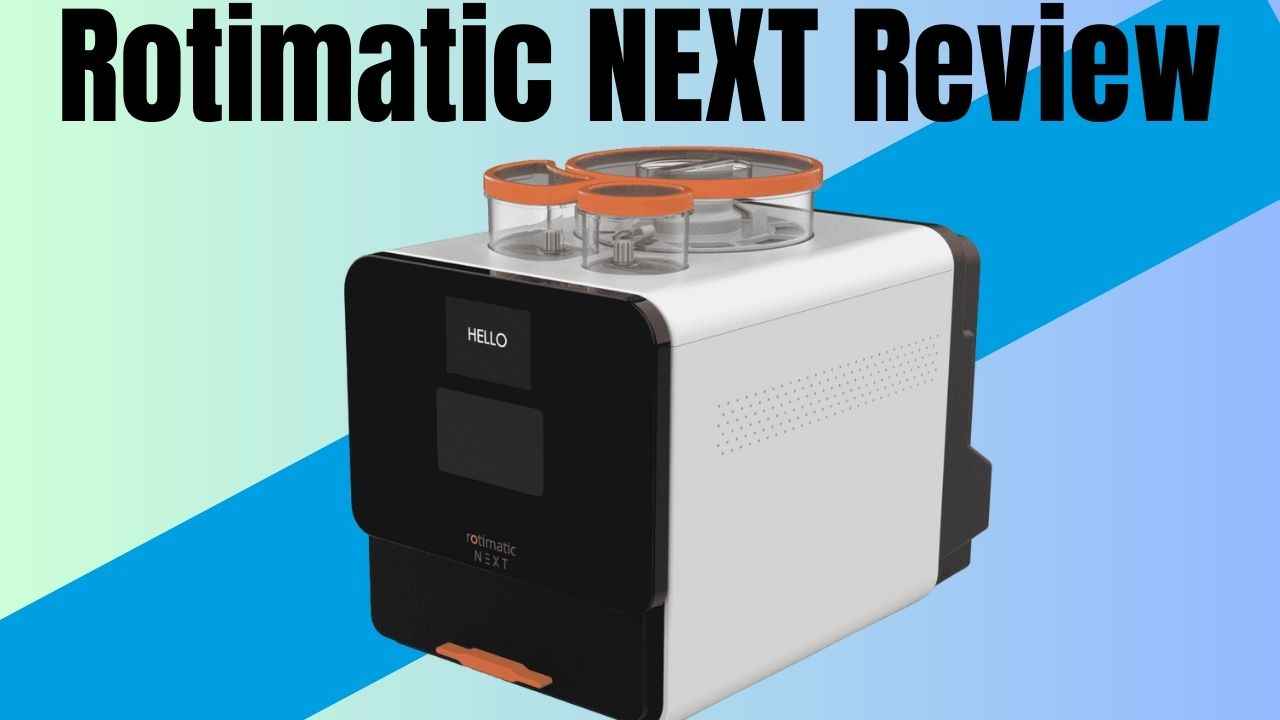

The promise of a robot in the kitchen, one that can effortlessly churn out perfectly puffed rotis, is a tantalizing one. It’s a vision of coming home to the smell of freshly made food without the mess, the kneading, or the constant flipping. As someone who appreciates both technology and a good meal, I was excited to put Rotimatic Next to the test. This smart roti maker is designed to simplify the daily grind of meal preparation. But after weeks of using it, I have to ask myself: can this smart appliance truly redefine my kitchen, or is its performance overshadowed by its promises?
 Survey
Also read: The ethics of AI manipulation: Should we be worried?
Rotimatic Next: Promise vs. reality
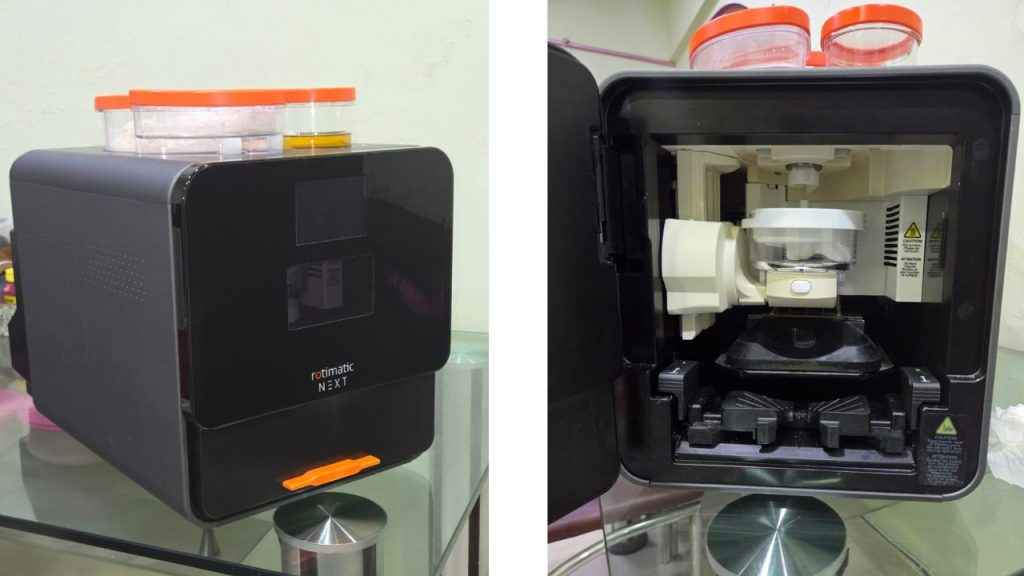
Right out of the box, the Rotimatic Next lives up to its reputation for being remarkably easy to set up. The unboxing process was smooth and straightforward, as the machine comes with everything you need neatly packed. The sleek, modern design felt substantial, a solid and well-built piece of kitchen tech. The anticipation of that first perfectly cooked roti was immense, and the initial setup was guided by a well-designed app that served as a fantastic guide, walking me through each step with clear, intuitive instructions. It felt less like a chore and more like an exciting new project.
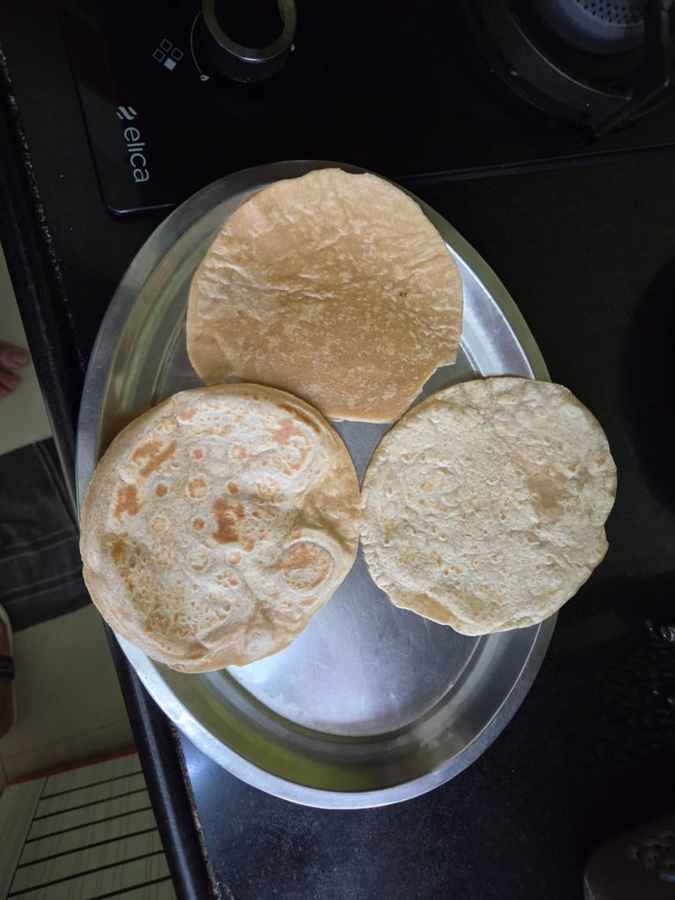
The physical design is incredibly convenient. The three top-mounted containers for flour, water, and oil are easy to access and fill, and the internal dough kneading compartment is readily accessible for quick cleaning. However, my very first batches of rotis were a bit of a learning experience. They came out uncooked or partly cooked, a far cry from the fluffy, golden-brown disks I had envisioned. This was simply the initial phase of the machine getting to know my specific brand of flour. It was a necessary step on the path to consistent perfection, and I saw it as a starting point for its artificial intelligence to begin its learning process. I watched the machine dutifully press out a perfect circle of dough and learned to identify the subtle signs of what was going wrong, which became my cues for adjusting the settings.
Rotimatic Next: Calibrating for perfection
The core of the Rotimatic’s process lies in its ability to adapt to your flour and personal preferences. Once it’s warmed up, a process that takes about 9 minutes on average, giving you just enough time to prep the rest of your dinner, it starts kneading the dough. This is followed by a cooking time of about 3 minutes per roti. The machine provides three basic settings you can adjust from low to high: “Thickness,” “Oil,” and “Roast.” These basic controls offer a great starting point, but they are just the tip of the iceberg.
When I faced my initial uncooked roti problem, a direct result of the machine needing more water for my specific flour, I turned to a precise, user-friendly troubleshooting menu on the touchscreen called “Adjust Roti Quality.” This menu provides a brilliant visual feedback system that made it simple to guide the machine and help it understand my preferences. It’s like having a conversation with the machine about what a good roti should look and feel like.
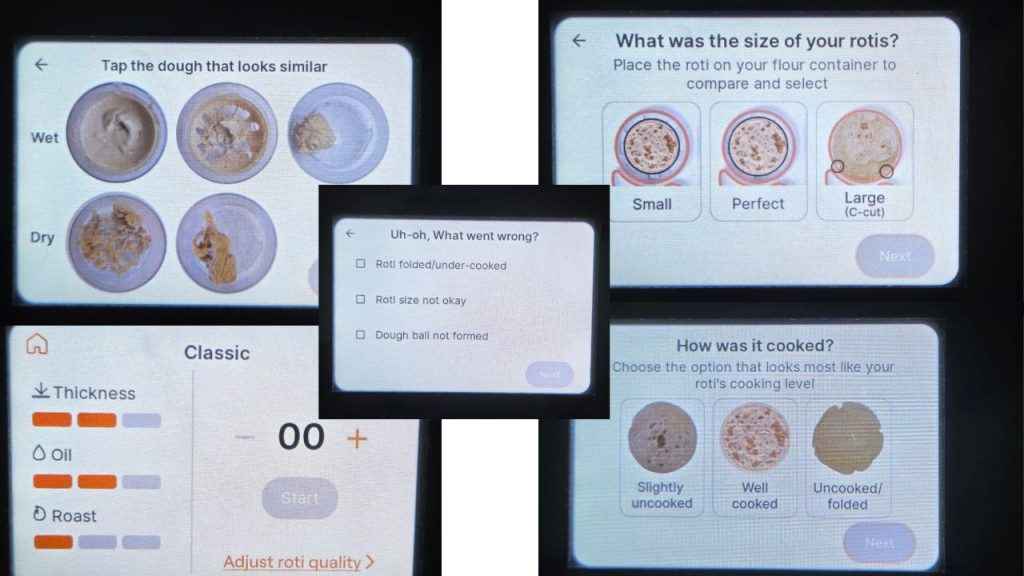
- Roti folded/under-cooked: I simply selected the visual that best matched my faulty roti, and the machine adjusted accordingly. For instance, my first few rotis were doughy and folded, a sign of being severely undercooked. I’d tap on the corresponding image, and the machine would immediately log that feedback, knowing to increase the cooking time or temperature for the next round.
- Roti Size not okay: This menu offered options like “small,” “perfect,” and “large (C-cut).” While I initially faced the frustrating “C-cut” issue, where the roti edges were left uncooked, using this tool allowed me to quickly course-correct the machine’s pressing mechanism. The “C-cut” was a particularly vexing problem. Instead of a uniform circle, the roti would emerge with a large, crescent-shaped piece missing from its edge, leaving a raw, doughy strip that just wouldn’t cook properly. It was a simple fix that taught the machine to press the dough more uniformly, and after a few tries, the issue was completely resolved.
- Dough ball not formed: This was my key to solving the uncooked roti problem. The machine was initially making dough balls that were too dry, which led to the uncooked rotis. I used this menu to manually adjust the water content with “Dry” and “Wet” options, each with sub-options to fine-tune the dough consistency. I spent a week giving it constant feedback, and I even had to contact a tech person twice to figure out the exact settings. They confirmed my suspicions about the water content and guided me to the “Wet” setting. This feature empowered me to take control of the dough-making process and get it just right, transitioning from a frustrated user to a confident operator.
Also read: From free calls to India’s AI revolution: 5 highlights from RIL AGM 2025
Working with these adjustment features was a powerful and rewarding process. I spent a little time “teaching” the machine my preferences. The Rotimatic Next isn’t a magical box that works perfectly from the start; it’s more like an assistant that, once calibrated, delivers the results that you want and expect from it.
Rotimatic Next: Form, function, and future promises
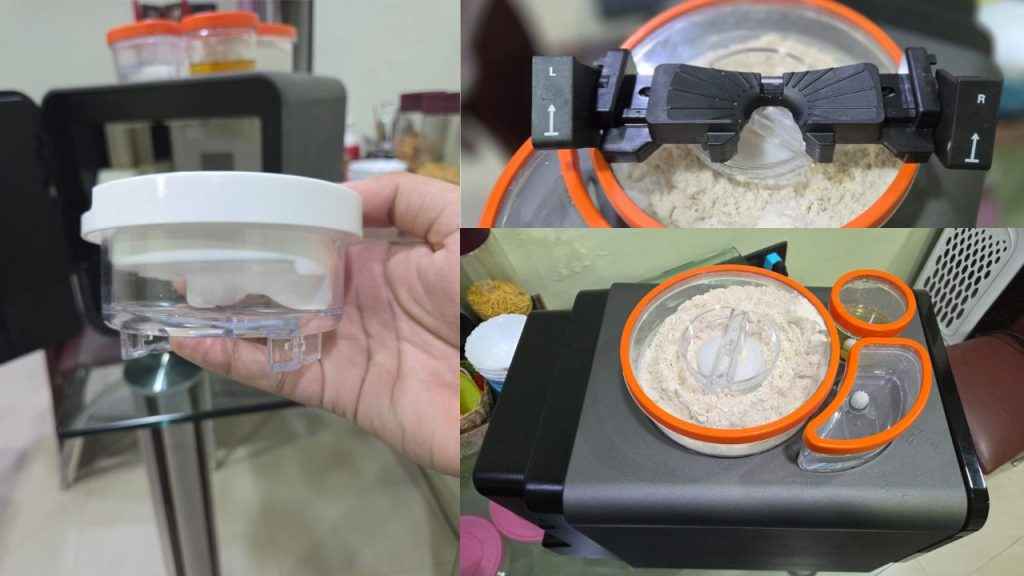
From a physical standpoint, the Rotimatic Next is a substantial piece of equipment. It’s heavy but can be moved around. Its significant size means it needs a permanent spot on your counter. The design is clean, with the three main containers on top and a removable dough catcher that makes cleaning fairly simple. All parts are detachable and can be washed normally, a definite plus in my book. However, even the cleaning process had its quirks; the machine one time reported that the dough catcher or cooking surface was blocked, even when they were completely spotless, which I found baffling.
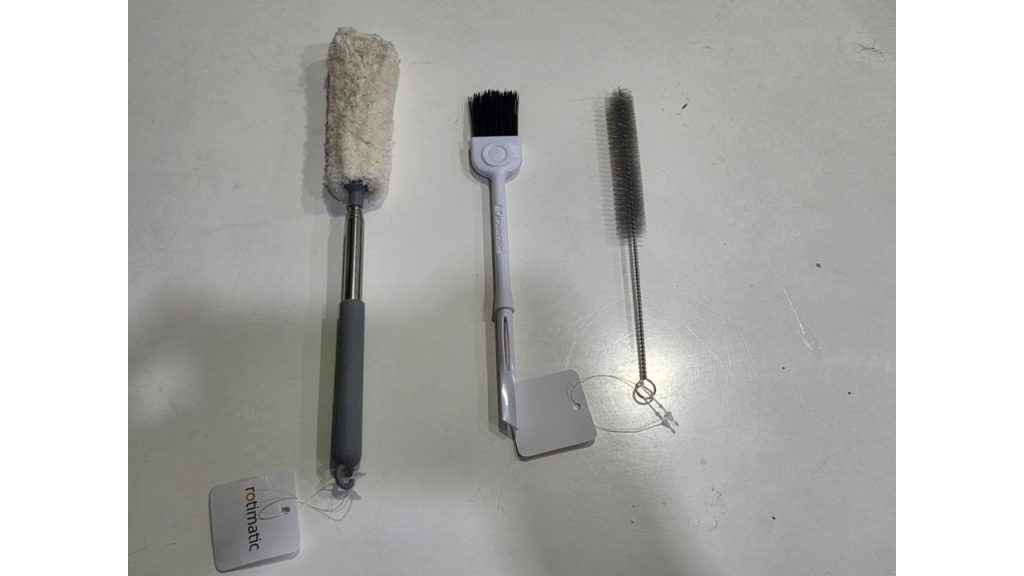
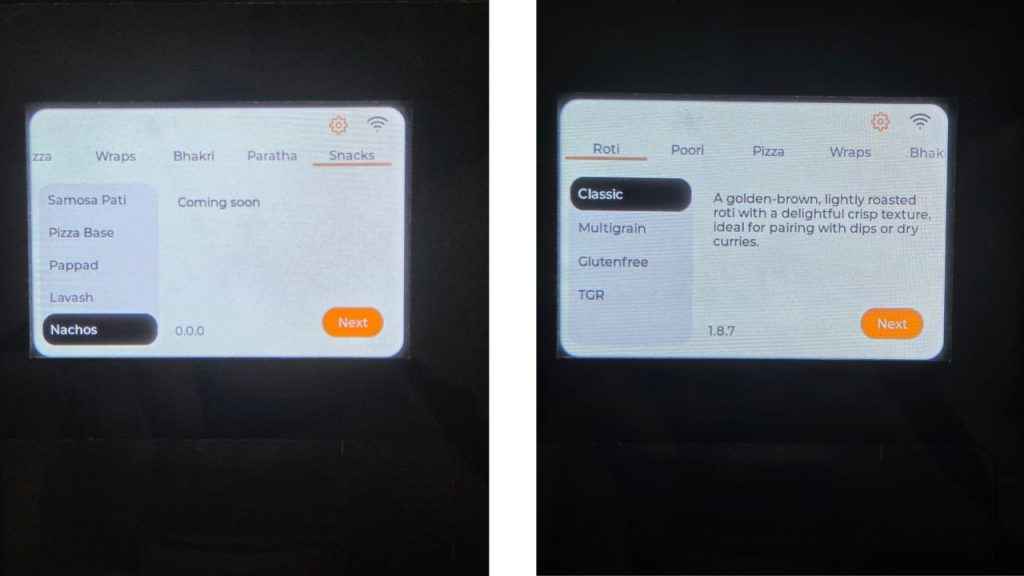
The machine comes with a manual, a power cable, and a cleaning kit with three different brushes. The included app is essential for the initial setup and provides basic troubleshooting. However, many of the features promised, such as versatility for making bhakri, pizza bases, and tortillas, are currently listed as “coming soon.” Similarly, a much-anticipated remote functionality to start the machine from my phone is an update promised for the future. The “coming soon” list felt endless. It felt like a car with a ‘turbo mode’ button that just said ‘coming soon,’ a promise you had already paid for. For now, it makes a slight, unobtrusive noise during operation, which I appreciated.
Rotimatic Next: Verdict
After a solid week of consistent adjustments and patient inputs, a breakthrough happened. One day, I started the machine for dinner, and the roti came out perfectly – fluffy, puffed up, and cooked evenly. The week of constant, patient inputs had paid off, and the machine had finally learned what I wanted. Since that moment, I’ve had no such problems with the roti’s cook, save for a couple of rare outliers. The machine has consistently produced the quality of roti I was striving for, transforming a once tedious process into an effortless part of my routine where all I need to do is tap on a screen twice.
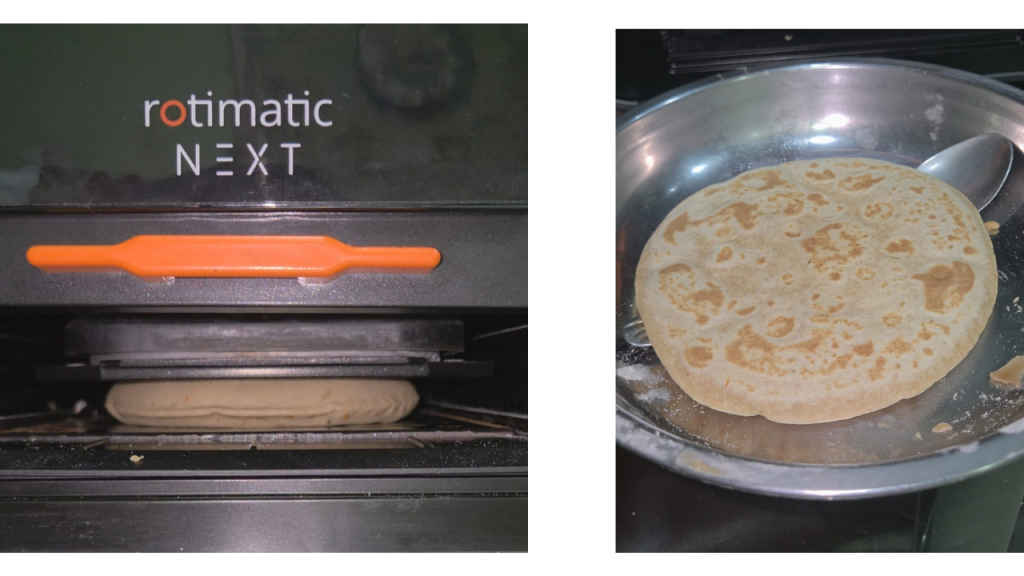
Given its price point, is the Rotimatic Next worth the investment? For an average Indian household that values simplicity and consistent results, I would say maybe. The initial week of effort is a small price to pay for the long-term benefit of perfectly cooked rotis on demand. I believe it could find a valuable home in a more commercial setting, like cloud kitchens or small startup Indian restaurants with limited space. For Indians living abroad, the Rotimatic is a good solution to having fresh, homemade rotis without the daily grind.
In the end, the Rotimatic Next is a testament to the future of kitchen automation. It requires a patient user, but for those willing to invest a little time in the beginning, it can be a game-changer and a genuine revolution in the kitchen.
In the end, the Rotimatic Next is an attempt to be the future of kitchen automation, but it is not quite the revolution it promises to be just yet. It shows strong potential and could be a game-changer in the kitchen, but its current inconsistencies and unfinished features make it’s best suited for patient early adopters or specific commercial use cases rather than every household for now.
Also read: What is GIGW 3.0: Indian govt’s design guidelines for official websites and apps


