
Pet tech at CES 2026: Three cool concepts you will really like
 Follow Us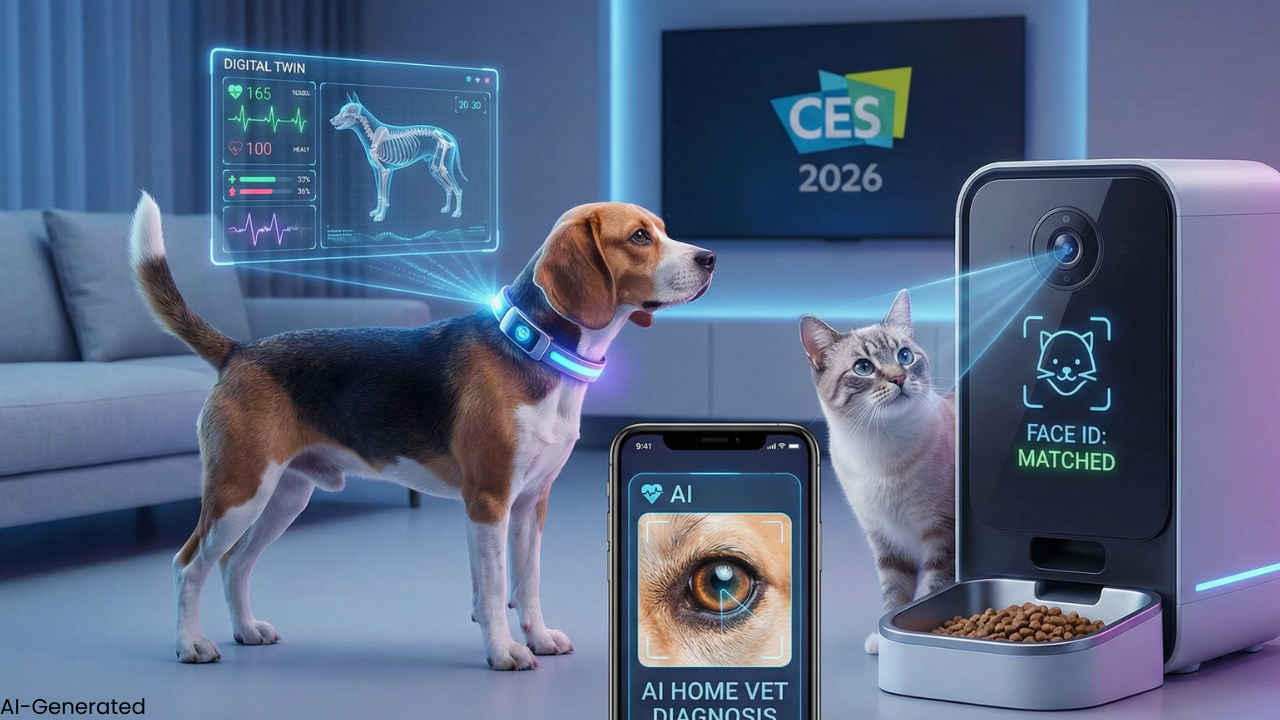

CES 2026 has officially marked the era of “Physical AI,” where technology steps out of the screen and interacts intelligently with the real world. Nowhere is this more heartwarming or practical than in the emerging sector of pet technology. We have moved past simple GPS trackers and automated ball throwers. This year, gadgets are designed to understand your pet, not just monitor them.
 Survey
Here are three concepts that are defining this shift.
Also read: Physical AI chips: Arm’s role in powering this next shift in robotics computing
The “digital twin” guardian
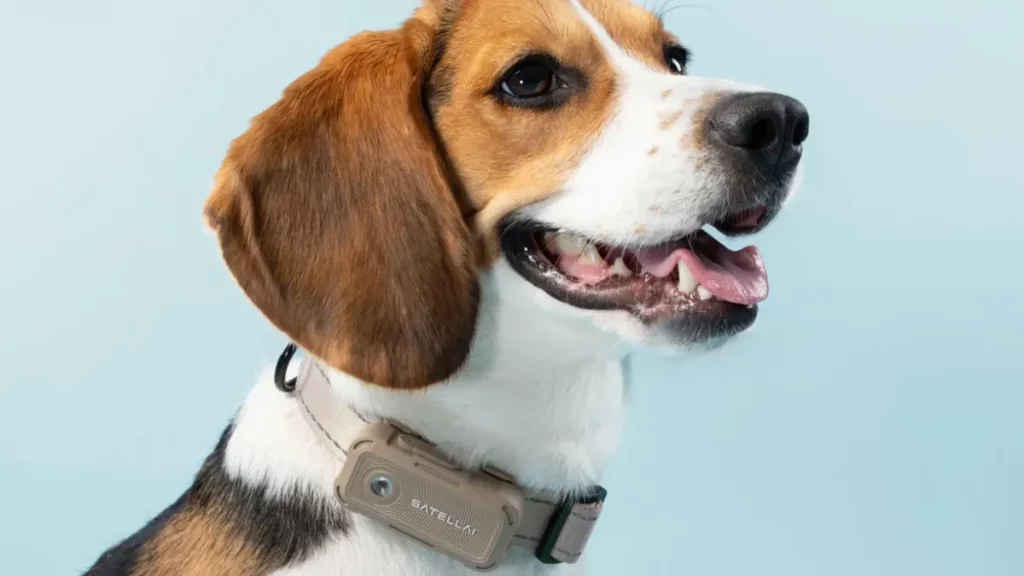
The standout winner for innovation is undoubtedly the Satellai Collar Go. While it tracks location like its predecessors, its real power lies in its “Petsense AI” software. This system creates a “digital twin” – a virtual model of your specific dog’s biology and behavior.
By comparing your dog’s daily data against this personalized baseline, Satellai moves from reactive tracking to predictive care. It doesn’t just tell you your dog slept all day; it alerts you if your dog’s gait has shifted in a way that suggests early-stage arthritis or hip dysplasia. It effectively gives your pet a voice to say, “I’m not feeling right,” long before they would normally show pain.
“FaceID” for the food bowl
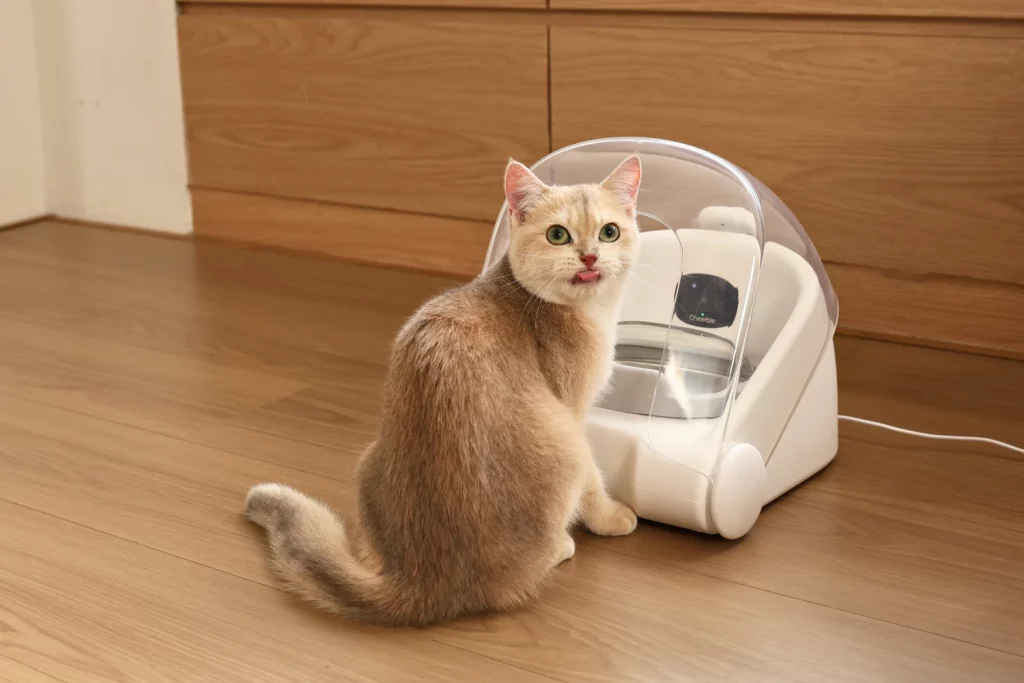
For multi-pet households, the dinner bowl drama is finally over. Cheerble has introduced the Match G1, a feeder that brings facial recognition to the kitchen floor.
Also read:Factories to your home: 6 humanoid robots from CES 2026 that will make your jaw drop
Dubbed “FaceID for pets,” the Match G1 uses Edge-AI to visually recognize the specific animal approaching the bowl. There are no collar tags required, the feeder simply knows who is asking for food. If a greedy Labrador tries to steal the cat’s prescription diet, the dome shuts tight. It only opens for the correct face. Crucially, because it uses Edge-AI, the visual data is processed entirely on the device, ensuring privacy by keeping images off the cloud.
The AI “Home Vet”
Finally, Samsung is democratizing veterinary triage by turning the smart home into a diagnostic tool. New updates to the SmartThings Pet Care ecosystem allow your phone and home cameras to screen for specific medical conditions.
By analyzing photos and video of your pet, the AI is trained to detect signs of cataracts (by analyzing eyes), dental disease, and even patellar luxation (kneecap dislocation) by studying gait patterns. It doesn’t replace a vet, but it acts as a powerful early warning system, prompting owners to seek professional help for issues that are easily missed during the daily grind.
Also read: Meta Ray-Ban Display glasses: How its new EMG handwriting turns any surface into a keyboard


