
OTT has become what it wanted to replace
 Follow Us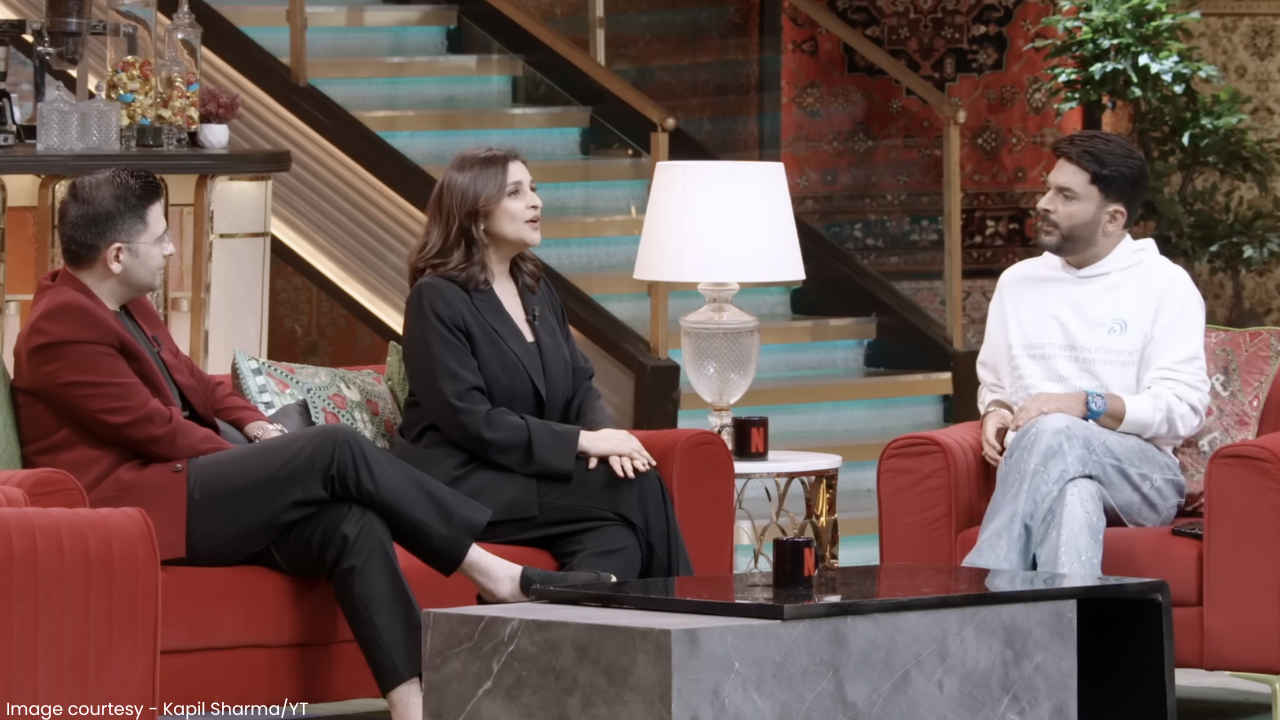

Alright, it’s not everyday you would read about OTT platforms in our magazine. Digit stands for hardware testing. And, we usually stick to that. But, movies have always been really close to my heart. And, how I consume them is even more important. Yes, I am the guy who likes to watch movies on the biggest of screens, with the best of sound systems, in the most compatible formats and with utmost focus. Basically, the movie watching experience matters, both in theatres and at home.
 Survey
So, I was watching a movie on Prime Video during one of my recent flights and 10 minutes into it, I got an ad — one that I couldn’t skip. Despite paying for the Prime subscription. There was another in a few minutes. I was really annoyed but little did I have a choice. The very next day I was streaming something on Zee5 (yes, they do have stream-worthy content). The same thing happened — an ad every few minutes. And, I have a premium subscription here as well.
That’s where I had a realisation. Because of that, I want to talk about OTT platforms.
When streaming platforms or OTT, arrived in the country, they carried a promise. This wasn’t just another medium to binge-watch content. It was supposed to be the answer to television’s stagnation. For years, Indian TV had become synonymous with never-ending soaps, repetitive formats and family dramas that seemed trapped in a time warp.
OTT came in as the disruptor, offering bold, edgy, and progressive stories for a new audience that was done with television. And for a while, it delivered.
The early years of OTT in India were marked by a fresh wave of content unlike anything we had seen before. The arrival of Sacred Games on Netflix, followed by shows like Paatal Lok on Prime Video, set the tone. These were not just different, they were daring and unconventional narratives with complex characters. More importantly, OTT opened doors. New writers, actors, and directors suddenly had a platform that valued storytelling over star power. Independent creators and parallel voices such as TVF found a home as well.
But somewhere along the way, the revolution has lost steam.
The clearest proof lies in the kind of content being pushed today. The reason why I haven’t mentioned Netflix yet is because it has probably seen the biggest downfall. It streams popular TV formats like The Kapil Sharma Show, alongside experiments with WWE and other television-style entertainment. The irony couldn’t be sharper: a medium that was supposed to replace TV is now borrowing from it.
Even the business model feels familiar. Despite charging a premium, platforms have introduced ads, frustrating subscribers (like me) who thought they were paying precisely to avoid them. Much like cable TV, OTT is sliding toward a hybrid model of subscription plus advertising, leaving consumers wondering whether they’re getting their money’s worth.
Since I am supposed to talk tech, let me share my two cents on the UI. It’s ourightly bad, especially for most of the homegrown streaming platforms. That’s why watching a show or a match remains a big pain.
The result? A content landscape that feels stale. There are still occasional bright spots. Some new shows do break through and remind us of OTT’s original promise but the overall quality has dipped. The sense of anticipation that once surrounded each new release is gone.
The shift matters because OTT was never just about convenience or on-demand access. It was about creating space for stories that didn’t fit anywhere else. It was about risk-taking, experimentation and giving audiences something genuinely new. By leaning back on old television tropes, platforms risk losing the very audience that embraced them in the first place.
The good news is that it’s not too late. Global examples show that streaming platforms thrive when they double down on originality. The prime example is Apple TV. It has limited but some of the finest shows I have watched in recent times: The Studio, Stick, Shrinking — all excellent shows with brilliant storytelling. That’s what the audience is looking for.
The infrastructure is here, the audience is here, and the appetite for fresh stories hasn’t gone away. What’s missing is the willingness to take risks again. Instead of chasing television’s formats or Bollywood’s glamour, platforms need to go back to what made them special: giving a stage to bold, unconventional storytelling.
Until then, the irony will remain hard to ignore. OTT, once hailed as the antidote to stale television, has slowly become the very thing it wanted to replace.


