NVIDIA CEO Jensen Huang says AI is shifting from generating answers to doing work
Structured data will define trustworthy, enterprise-ready AI system
Inference and token factories will power AI’s next economy
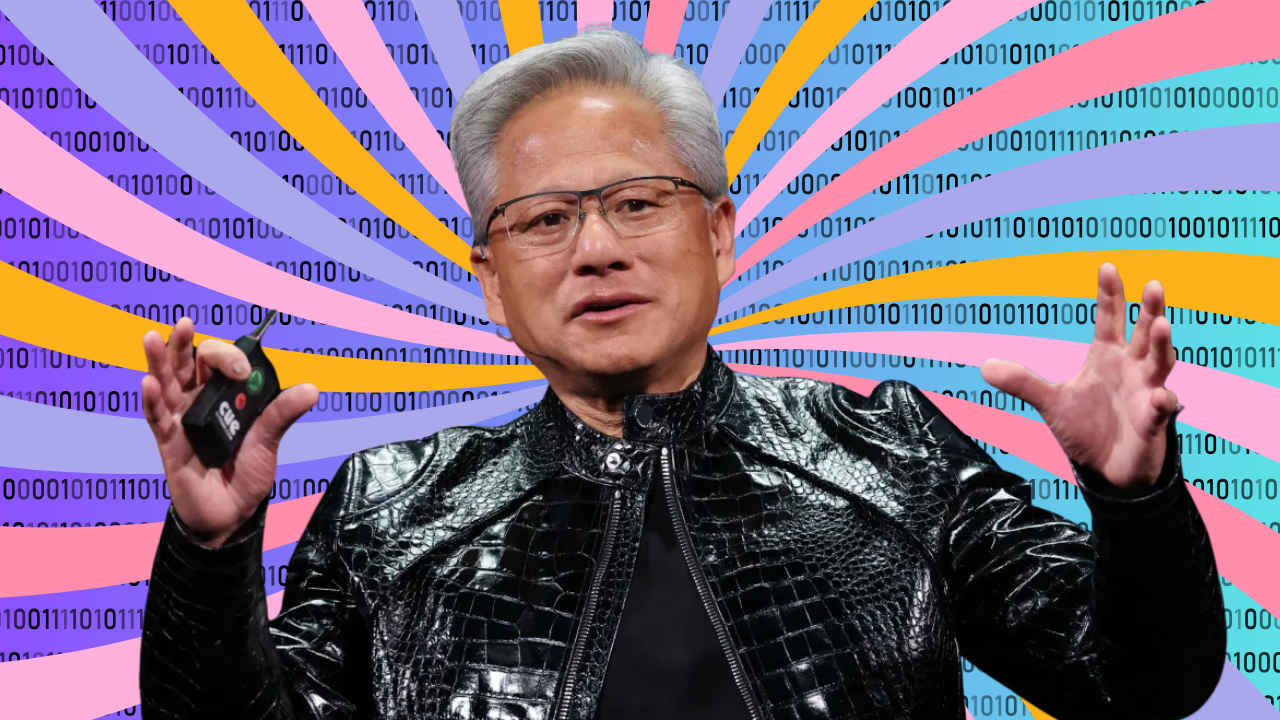
Every year, like clock work, GTC keynotes are usually judged by NVIDIA’s hardware flex. More CUDA, more cores, and more things named after scientists who definitely didn’t imagine being turned into GPU roadmaps. However, at GTC 2026, Jensen Huang’s real message wasn’t about silicon alone, but where AI is going next, and why NVIDIA believes it’s building the industrial plumbing for that future.
 Survey
At the heart of Huang’s argument is that AI is no longer just learning to speak – that ship sailed long ago. Starting 2026, AI is learning to reason, act, and starting to become useful inside the messy structure of real business – and the even messier chaos of the real world. “Computing used to be retrieval-based, now it’s generative,” as Jensen Huang, CEO of NVIDIA, put it from his keynote at GTC 2026.
Jensen Huang and NVIDIA are signalling that AI is a core computing shift, not just a new software feature. Search and retrieval of information defined the old way of digital transformation, whereas AI-based generation and decision-making will define the new paradigm currently underway in computing.
From chatty AI to useful, trustworthy AI
Huang laid out AI’s recent evolution almost like a staircase. “An AI that was able to perceive became an AI that could generate. An AI that could generate became an AI that could reason. An AI that could reason now became an AI that can actually do work, very productive work.”
Now, he argues, they are crossing into something more consequential – not just chatbots that answer, but systems that execute. Huang’s description of agentic AI made that abundantly clear. “For the first time, you don’t ask AI what, where, when, how. You ask it to create, do, build. It’s able to solve problems and actually perform tasks.”
Also read: NVIDIA GTC 2026 conference: 5 things you should expect
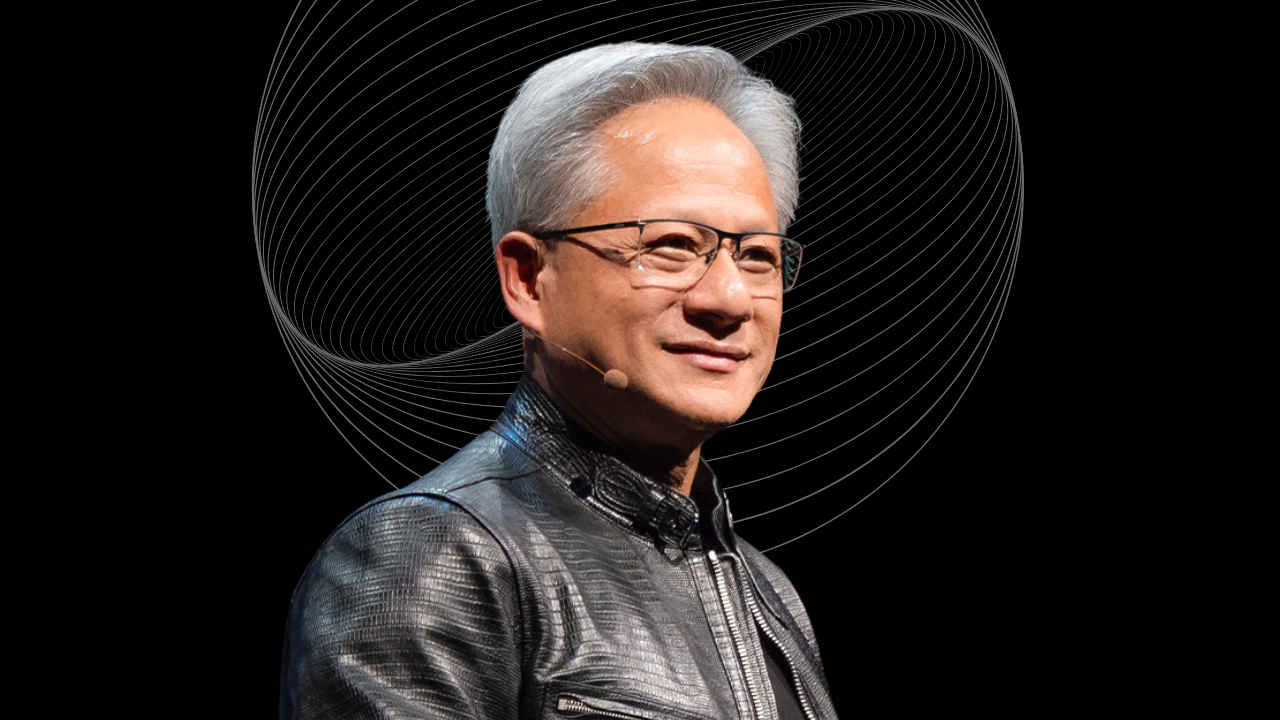
If generative AI was the era of amazement, then Huang argues that agentic AI is supposed to be the era of labour. Digital labour, where humans supervise over systems and machines.
Huang’s keynote’s most revealing lines had nothing to do with chips and everything to do with data. “This concept of fusing structured information and generative AI will repeat itself in one industry after another industry after another industry. Structured data is the foundation of trustworthy AI.”
It is an important point. After all, enterprises don’t run on vibes, do they? They are grounded in data, records, processes, workflows and governance rules. AI that wants to operate inside business will have to plug into those structures without hallucinating its way into a compliance disaster.
Huang pushed the point further by arguing that AI is finally becoming useful against the vast swamp of data businesses barely use. “About 90% of what’s generated every single year is unstructured data. Until now, this data has been completely useless to the world. You can use that same technology… to go read a PDF to understand its meaning. And from that meaning, embed it into a larger structure that we can search into, we can query into.”
That, in a nutshell, is Huang’s vision for enterprise AI – not merely generating answers, but making passive data computable.
Inference and the age of AI factories
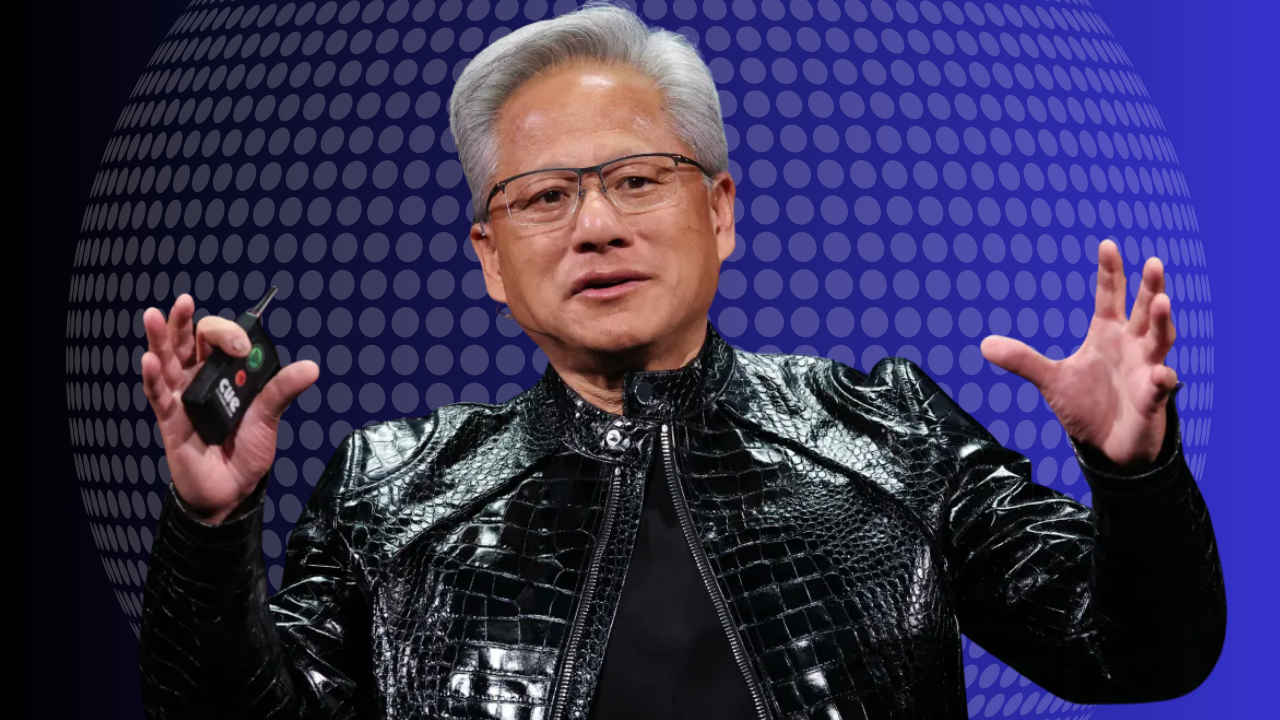
“Finally, AI is able to do productive work, and therefore, the inflection point of inference has arrived,” Huang said, without mincing any words. If training built the AI boom, Huang believes inference will define its economics going forward.
Also read: NVIDIA Vera CPU: Performance compared to AMD and Intel x86 chips
It also revealed NVIDIA’s strategic ambition. If AI must think and reason to act continuously, then inference becomes the main event – not just a side act. That is why Huang’s language kept drifting away from data centres as storage and toward factories as production systems. “Your data centre, it used to be a data centre for files. It’s now a factory to generate tokens.”
Huang effectively gave us the phrase that may define NVIDIA’s next decade – token factory. Not a datacentre or the cloud, but a token factory.
This is where GTC 2026 started to feel like a declaration of industrial intent. NVIDIA CEO Jensen Huang isn’t just saying AI will get smarter. He is saying AI will become infrastructure, and that infrastructure will be measured in cost per token and usefulness per watt, as much as it will be about throughput.
So yes, NVIDIA still sells the CPUs, GPUs, AI accelerators, server racks, as Huang showcased on the keynote stage of GTC 2026. But Huang’s bigger claim is that AI is heading toward systems that reason, act, and work across structured and unstructured knowledge. And to enable that future, NVIDIA wants to be the factory behind the factories.
Also read: Sarvam to Yotta: NVIDIA shows India AI ecosystem scale
 Follow Us
Jayesh Shinde
Executive Editor at Digit. Technology journalist since Jan 2008, with stints at Indiatimes.com and PCWorld.in. Enthusiastic dad, reluctant traveler, weekend gamer, LOTR nerd, pseudo bon vivant. View Full Profile


