Meta’s big AI play: What the Manus acquisition means for automation at scale
 Follow Us
Meta acquires Manus to scale autonomous AI agents for business automation
Manus deal signals Meta’s push beyond chatbots into agentic AI
Meta business platforms set for large scale AI driven workflow automation

When Meta talks about artificial intelligence today, it is no longer just referring to smarter chatbots or better content recommendations. By bringing Manus into its ecosystem, Meta is signaling a shift toward something more ambitious: AI systems that can independently act, execute, and scale across real business workflows.
 Survey
Also read: Cursor CEO thinks vibe coding is the biggest threat to modern software
From assistants to autonomous agents
Most business-facing AI tools today are reactive. They answer questions, generate text, or assist with narrow tasks. Manus operates in a different category altogether. Its core focus is autonomous AI agents that can plan multi-step actions, switch between tools, and complete complex objectives with limited human oversight. Instead of asking AI for help at every step, businesses can increasingly delegate entire processes.
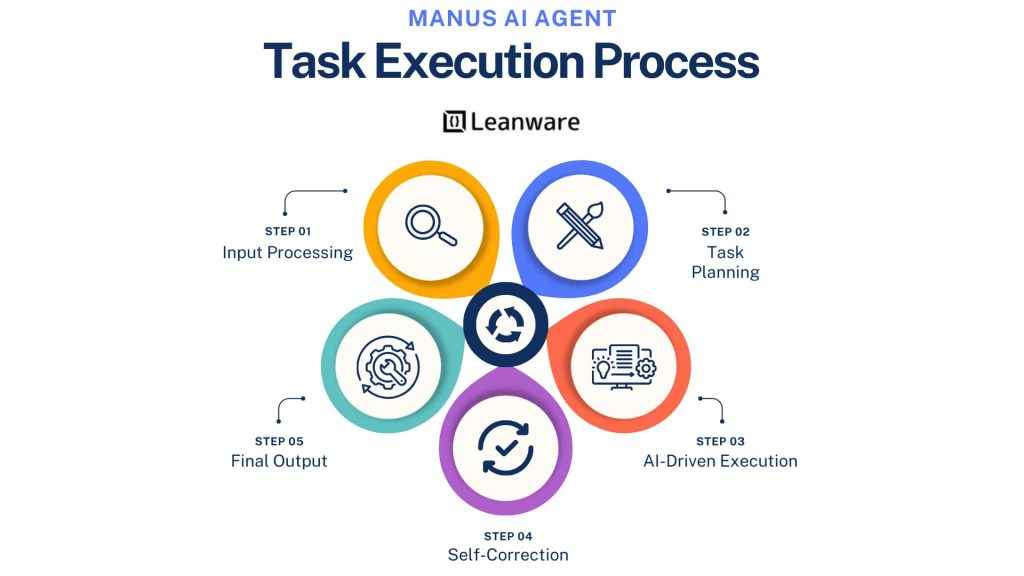
For Meta, this fills a critical gap. The company already has massive distribution across WhatsApp, Instagram, Facebook, and its ads platform. What it lacked was a deeply agentic layer that could automate work rather than simply support it. Manus provides that missing piece.
Why automation at scale matters to Meta
Meta serves millions of small and medium businesses globally. Most of them do not have access to custom software, data teams, or enterprise automation tools. By integrating Manus-style agents, Meta can offer automation as a built-in capability rather than a premium add-on.
This could mean AI agents that automatically manage ad campaigns, analyze performance data, adjust targeting, respond to customer queries, and even handle basic commerce operations. At scale, this turns Meta’s platforms from marketing channels into operational backbones for businesses.
Competing in the agentic AI race
Also read: Demis Hassabis says AI-led robot revolution is unfolding right now, here’s why
The acquisition also places Meta firmly in the race for agent-based AI, an area where competition is intensifying. While rivals are focused on enterprise productivity suites or developer tools, Meta’s advantage lies in reach. If autonomous agents are embedded directly into platforms businesses already use daily, adoption friction drops dramatically.
Manus gives Meta not just technology but also practical experience in deploying agents that operate in messy, real-world environments rather than controlled demos. That experience is crucial as AI moves from experimentation to execution.
What changes for businesses
In the near term, most changes will be invisible. Tools will feel faster, smarter, and more proactive. Over time, the impact becomes structural. Businesses may rely less on external software stacks and more on AI-native workflows inside Meta’s ecosystem.
The long-term implication is clear. Meta is positioning itself as a platform where AI does work, not just offers advice. The Manus acquisition is less about headlines and more about infrastructure. It is a bet that the future of business automation will be agent-led, deeply integrated, and operating quietly at massive scale.
Also read: Head of Preparedness: OpenAI’s new critical safety role and why its important


