

Meta Ray-Ban has a new rival, and it’s backed by Google and Samsung
 Follow Us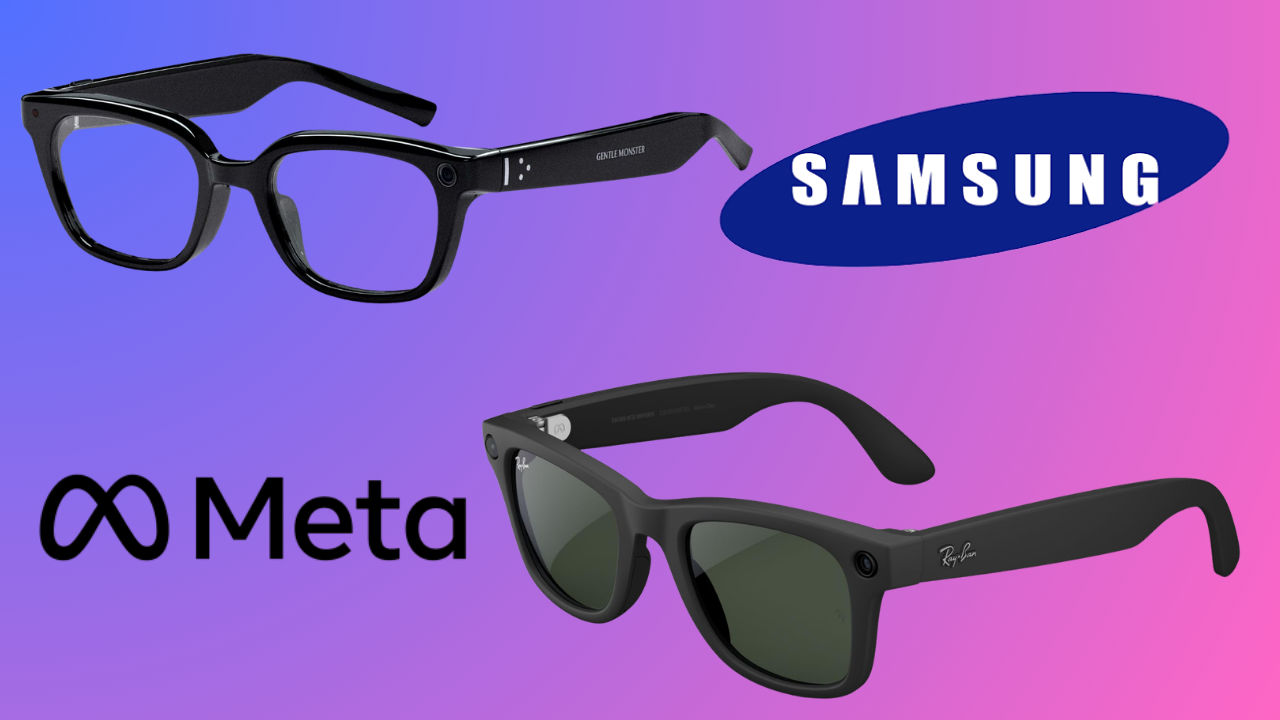

Samsung just wrapped up their Galaxy Unpacked event in London but a new lineup of foldables wasn’t the only thing worth noting because they seem to have walked onto Meta’s turf, and they brought Google along for the ride. This is Samsung’s first attempt at intelligent eyewear, built with Gemini baked in and designed in partnership with Gentle Monster and Warby Parker. Over the past year we have seen a big push in the direction of physical AI which also can include wearables. Samsung and Google are looking at smart glasses as the next battleground for AI, not phones, not watches, but the thing sitting on your face all day.
 Survey
Also read: Samsung Galaxy Watch 9 vs Galaxy Watch 8: specs, price and is the upgrade worth it?
It’s not a new concept if you have used Meta’s Ray-Ban glasses. The features include an embedded camera to provide visual context, voice-controlled hands-free interaction, real-time translation capability, navigation assistance, and sharing visual content while on calls. Samsung has made all of that possible using the Snapdragon AR1 Gen1 chipset by Qualcomm, the same category of silicon that Qualcomm has been pitching to AI glasses manufacturers, and claims to offer up to nine hours of usage on a single charge, while the case can provide seven more full charges.
The spec sheet story
A major point of contention would definitely be the pricing of the glasses, but Samsung has been very quiet on it. Ray-Ban glasses of Meta are priced less than $400, and them being at that price point has helped their adoption more than anything else. Samsung has not confirmed yet how much they plan to charge for their Gentle Monster or Warby Parker branded glasses, and the fact that two high-end glasses companies have been roped in means that their pricing will definitely be higher than Meta’s which has a mass market frame partner.
Notably, there is no mention at all of the display specifications, storage space, audio hardware or weight of these glasses and these factors decide how long you use these glasses – for one hour or a whole day. “Up to nine hours” is the figure that Samsung likes to boast about in their own documentation. That number alone is doing a lot of the heavy-lifting considering how much using the camera and AI processing will be draining the battery. Meta has had multiple hardware generations to tune this tradeoff. Samsung is starting from zero on real world battery behavior, whatever the spec sheet claims.
Also read: One UI 9 with new Galaxy AI features unveiled at Unpacked 2026: Now Nudge, Gemini Notebook and more
However, what Samsung has and Meta lacks is the Gemini model. It is not a glued-on assistant but an AI from Google that powers Android XR. This approach is different from Meta’s because Meta AI looks like an additional feature to a camera attachment and not an assistant for the format. However, if the context awareness of Gemini can transfer to glasses, then there would be a true differentiator.
Design partnerships
The key to unlocking with Ray-Ban for Meta is not the technology but that the glasses don’t look like technology. Samsung seems to understand the brief. By collaborating with Korean fashion eyewear company Gentle Monster and Warby Parker, Samsung has made a more stylish design statement than ever before in its approach to wearables.
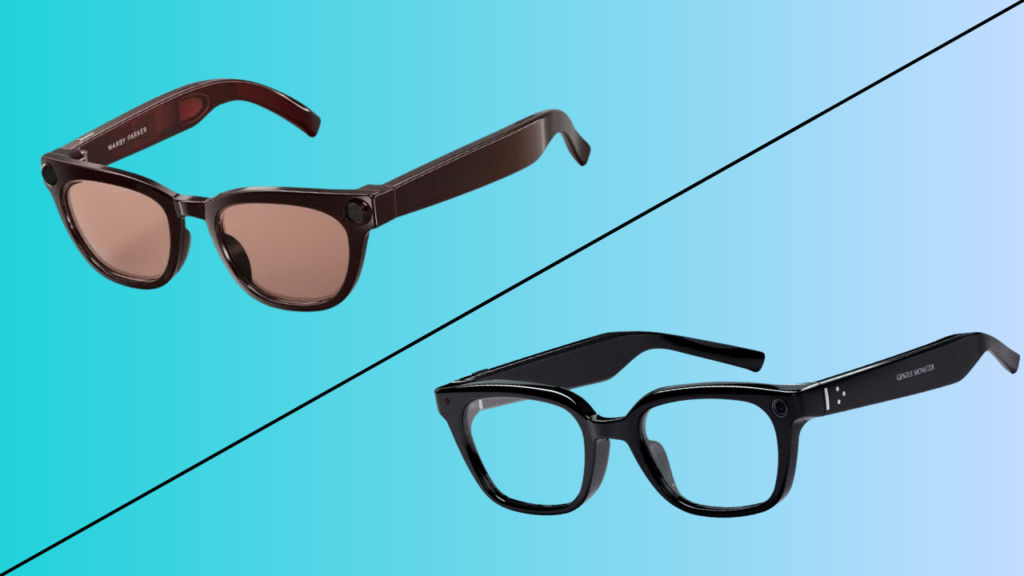
In the case of these two frames, one a sleek black design from Gentle Monster and another, a brown design from Warby Parker with upswept brow line, they speak as glasses and not as wearable devices. The key here is even more than the chipset. According to Samsung, fit points such as the forehead and ears are some of the elements they took into consideration in designing these glasses because these elements will determine whether anyone uses these smart glasses on a regular basis or not.
However, the key element in Meta’s product offering that is conspicuously absent from Samsung’s narrative is the actual camera capture experience. Meta created a content creation process using the Ray-Ban glasses. People can quickly take photos and videos and share them directly to Instagram and WhatsApp through these glasses. Samsung’s language tends to emphasize meeting summaries and organizing notes instead.
Can spec parity beat Meta’s two year head start
Meta wasn’t the winner in the smart glasses race on the specs. They were the winner on distribution, pricing, and design partnerships that helped the product look normal and not like something from the future. Now, Samsung has managed to match all three of those, with two of them being even better – with Gemini, and by having design partners that are actually credible in terms of fashion.
The only aspect that remains unknown for Samsung at this point in time is the pricing. Pricing is usually the decisive factor of whether there will be competition in the category or not, and the competition will just become an expensive alternative to the market leader. At this point, Samsung’s smart glasses sound good in theory, but have yet to prove themselves.
Also read: Samsung Galaxy Z Fold 8 Ultra in Digit Test Labs: The ultimate foldable at an ultimate price


