
Israel-Iran Conflict: Who’s winning the cyber war
 Follow Us
Cyber warfare escalates between Israel and Iran, disrupting banks, infrastructure, and critical digital systems globally.
Israel-Iran cyber conflict 2025 intensifies with coordinated attacks on banking, water, and energy sectors.
Predatory Sparrow hacks Bank Sepah, sparking cyber retaliation by Iran targeting Israel’s infrastructure in digital war.

In the escalating tensions between Israel and Iran, cyberspace has become the newest and perhaps most volatile front. As kinetic warfare remains an ever-present threat, June 2025 has marked a significant shift: a surge in digital hostilities that experts now call one of the most aggressive cyber conflicts in recent history.
 Survey
Israel’s Operation “Rising Lion” and its impact
The latest wave of cyber warfare was triggered on June 13, 2025, when Israel launched Operation Rising Lion, a coordinated military and intelligence campaign aimed at curbing Iranian proxy activity in the region. Almost immediately, cyberspace became a war zone. Israel reportedly initiated what Iranian state media described as a “massive cyber war,” targeting Tehran’s digital infrastructure in a sweeping and sophisticated offensive.
Also read: Iran restricts internet access amid surge in suspected Israeli cyberattacks
Iran’s cybersecurity command claimed to have repelled a majority of the attacks, but the aftermath told a different story. The government imposed sweeping restrictions on digital communications: internet access was significantly limited, international calls were cut off, and a total ban was placed on the use of networked devices, such as smartphones, laptops, and smartwatches, by government officials and their bodyguards. These measures underscore the perceived severity of the threat.
Israel’s hacking group strikes banks

On June 17, a pro-Israel hacking group known as Predatory Sparrow claimed responsibility for a major cyberattack on Bank Sepah, a financial institution closely linked to the Islamic Revolutionary Guard Corps (IRGC). The group announced it had “destroyed all data” at the bank, an act with potentially long-lasting economic consequences.
Bank Sepah is not just any bank, it’s a strategic financial artery for Iran’s military operations. The hack caused temporary closures of multiple branches, and customers were unable to access their accounts. Simultaneously, similar disruptions hit Kosar and Ansar banks, both of which are also associated with Iran’s defense sector. Whether these attacks were coordinated or opportunistic remains unclear, but their symbolic and operational impact is undeniable.
Iranian hacktivists fight back
Iran did not stay silent. Following Operation Rising Lion, cyberattacks against Israeli targets spiked by a staggering 700%. More than 150 hacktivist groups, over 100 of which are believed to be focused on Israel, launched a flurry of digital assaults. These ranged from defacements and DDoS attacks to more sophisticated attempts at breaching critical infrastructure.
Also read: India’s Top Missile Technologies You Should Know About
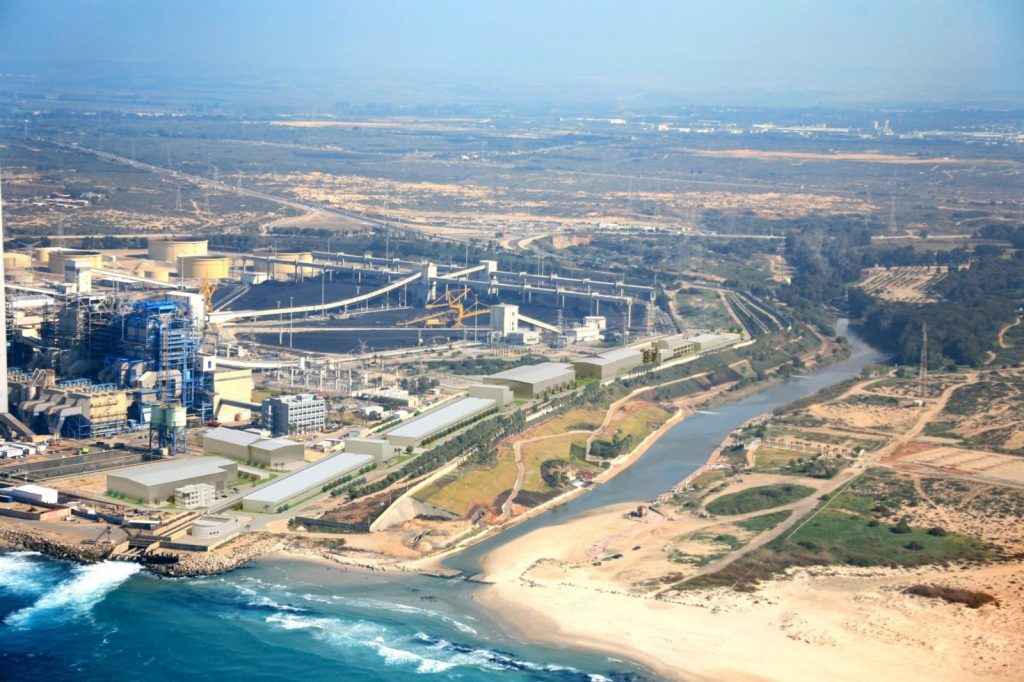
One group in particular, CyberAv3ngers, linked to the IRGC, has been a key player in the retaliation. They have a documented history of targeting Israeli infrastructure and renewed their efforts in recent days, focusing on water and energy sectors. Among the affected locations were water treatment facilities in Hedera, Palmachim, Sorek, Ashkelon, and Haifa. Though Israeli officials have downplayed the long-term effects, the symbolism of these attacks, aimed at civilian lifelines, is impossible to ignore.
Israel-Iran cyber warfare impact
What makes this cyber conflict particularly dangerous is its potential to spill beyond national boundaries. Both Israel and Iran have sophisticated cyber capabilities and have shown willingness to use them. But as attacks grow more aggressive and indiscriminate, the risk of collateral damage to neutral nations and global digital infrastructure increases.
International cybersecurity watchdogs are on high alert. Financial institutions, energy companies, and public utilities around the world are reviewing their defenses. The specter of a global cyber spillover, whether intentional or accidental, looms heavy.
The cyber dimension of the Israel-Iran conflict reflects a broader truth: warfare has entered a new era. Nation-states are not only investing in tanks, missiles, and drones, they are also building cyber armies capable of sabotaging economies and paralyzing infrastructure. These attacks are often stealthy, deniable, and cheap compared to traditional military operations, making them especially attractive in asymmetric conflicts.
As the digital war unfolds, the civilian cost may remain hidden for now, but it is very real. From locked bank accounts in Tehran to threatened water systems in Tel Aviv, everyday people are caught in the crossfire of this invisible war.
Also read: Google moved forward with Israel deal despite human rights concerns


