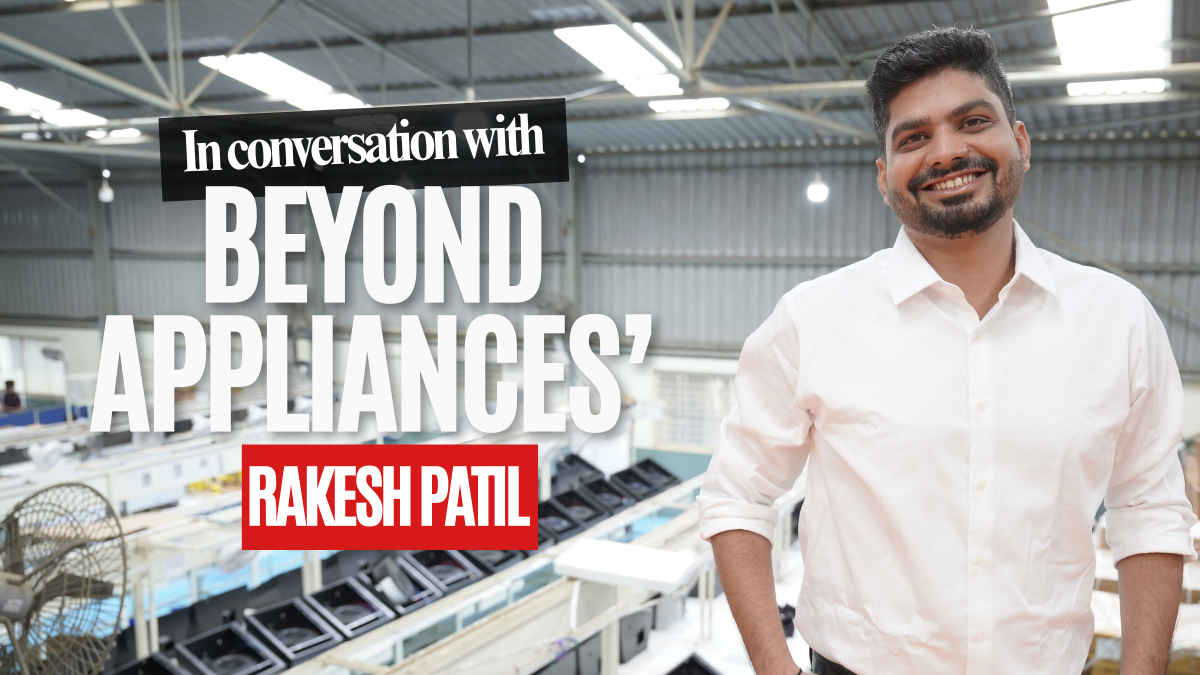
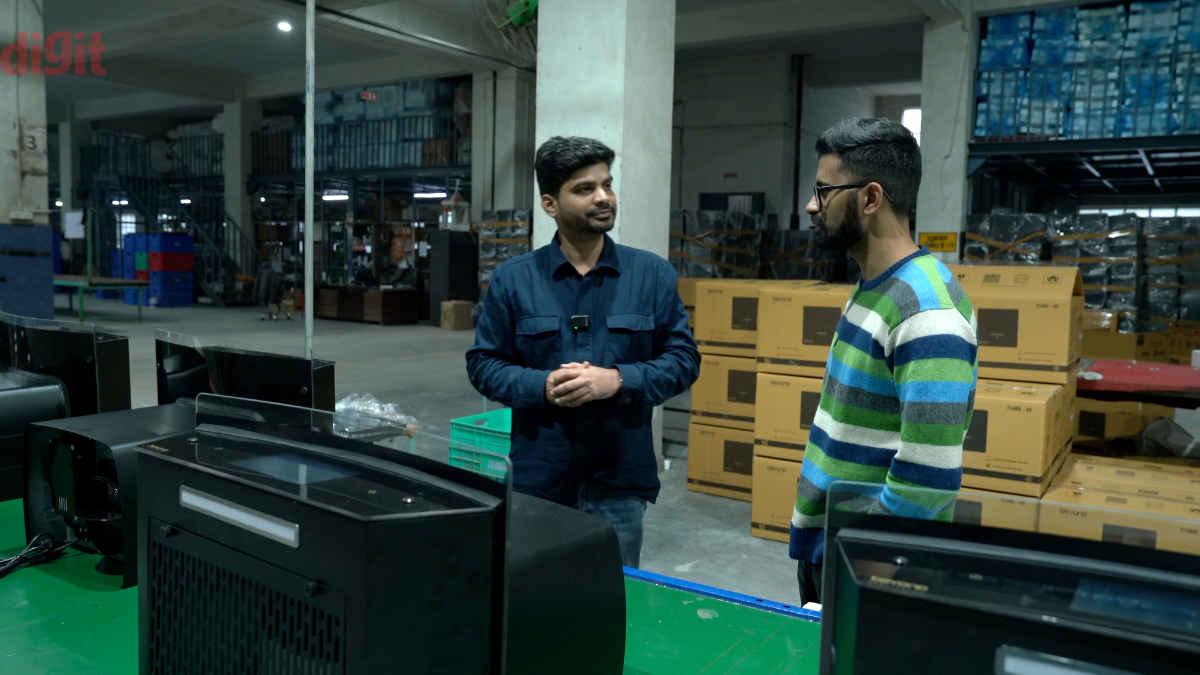
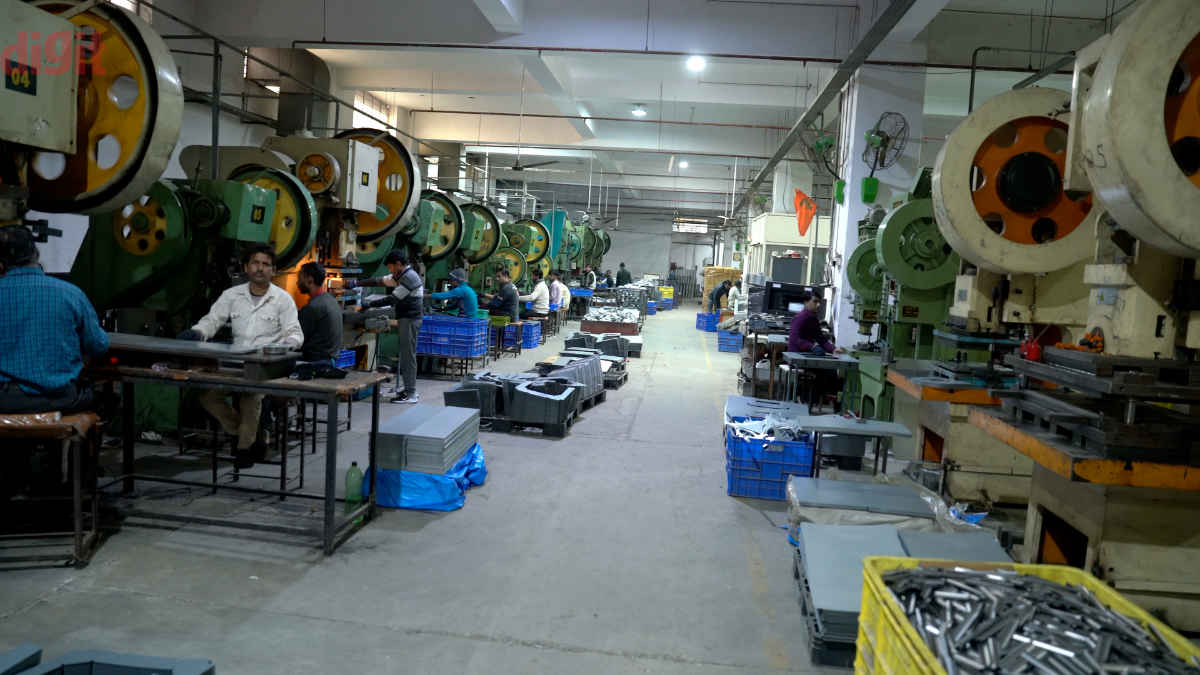
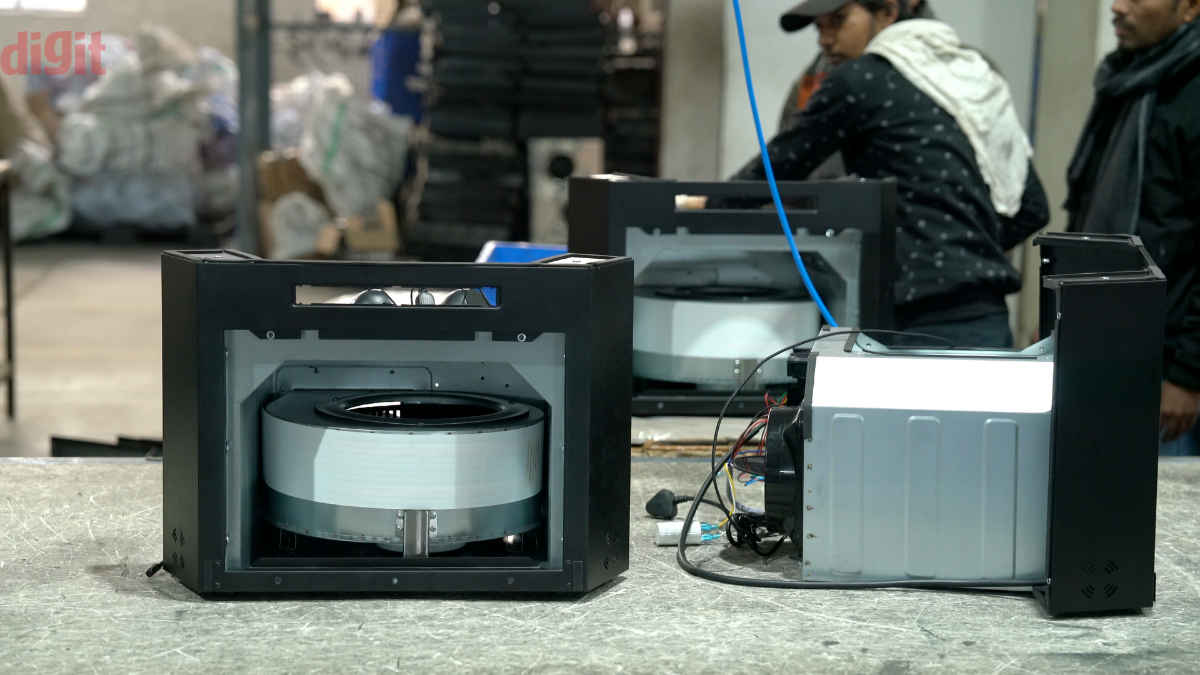
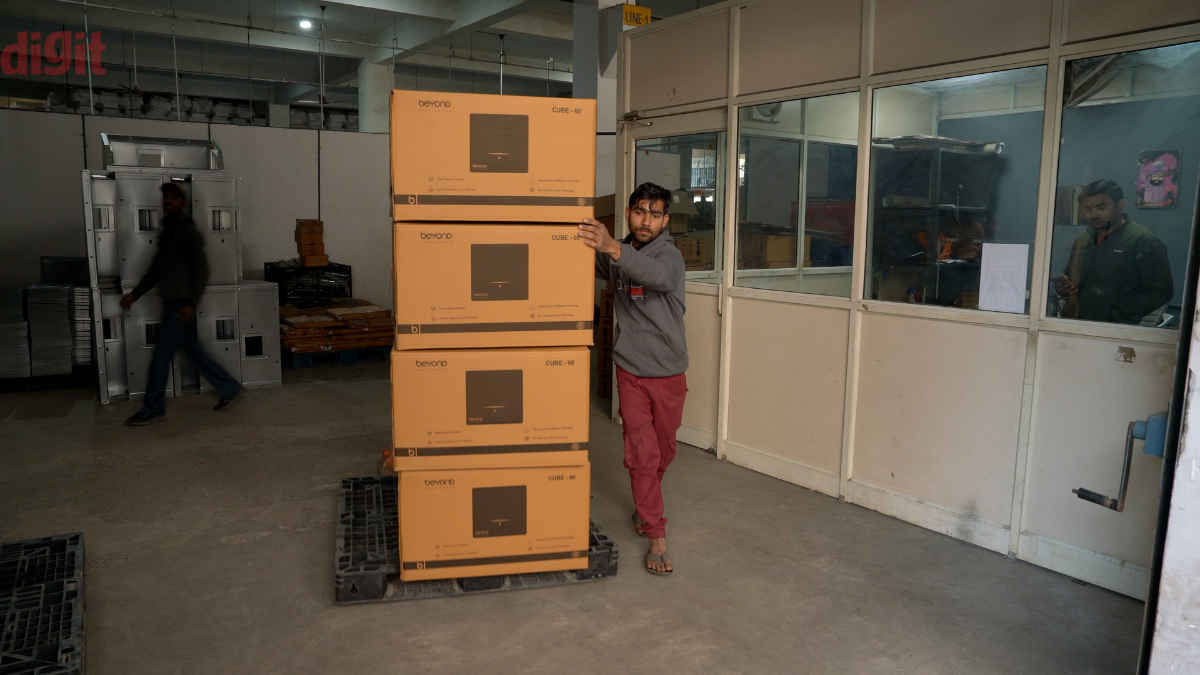
I recently visited Beyond Appliances’ manufacturing facility on the outskirts of Delhi to understand how one of India’s leading smart kitchen technology brands builds its products. The factory tour was led by co-founder and Chief Technology Officer Rakesh Patil, who walked us through the design philosophy, safety systems, and smart features behind flagship models, such as the Cube Plug and Play chimney and Asteria Android chimney. In this conversation, he explains why kitchen innovation has lagged for years, how AI and connectivity can make cooking safer and simpler, and what Beyond Appliances is planning next.
 Survey
What is the one dish you cook most often at home, and do you use any of your products for it?


Rakesh: The dish most cooked in South Indian homes is dosa. I come from a South Indian background as well. Dosa is usually prepared at least once or twice a week. For that, the chimney becomes important because there is a lot of smoke and fumes. So I use the chimney, and also the Beyond hob. The chimney helps mainly with suction while cooking.
Beyond Appliances builds products like Android-powered chimneys and timer-based cooktops. How do you see the Indian kitchen evolving as part of a larger smart home ecosystem?
Rakesh: There has been almost no change in the kitchen for the last 10 years. It has remained the same, with very little innovation. We started with cooktops and hobs because they are the most used appliances in the kitchen. Our goal was to make them smart. Once customers began using them, they started noticing real improvements in their experience. They became more productive. They could multitask. And the kitchen became a more joyful space.
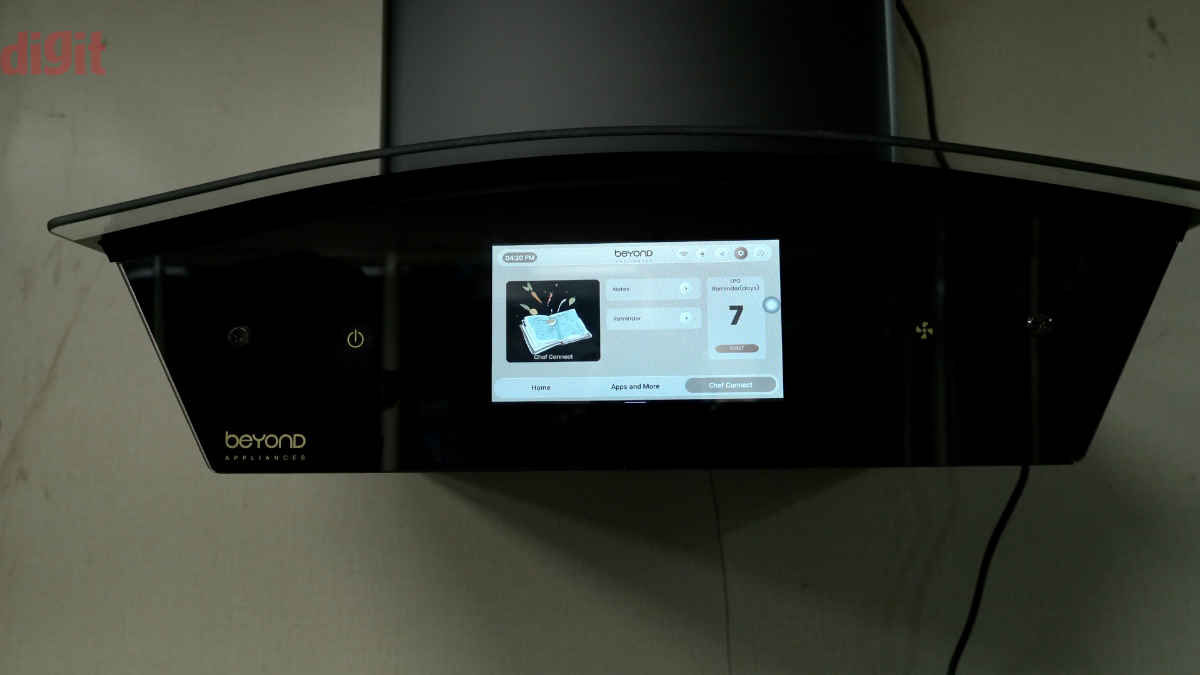
Smart appliances often struggle to balance complexity and usability. How do you make sure features like OTT access or connected tools actually make cooking simpler?
Rakesh: Whenever we design a product, we make sure it is simple enough for anyone to use. We call it House help-Proof. Whether it is a house help, the home-maker, or anyone else in the kitchen, they should be able to operate it easily. We separate functional and non-functional features. For core appliances like chimneys, we always provide a single-touch physical button. Even though Android controls are available, you should still be able to use the chimney normally for 10 years without relying on Android. People worry that, like phones, Android may stop updating after a few years. We make sure the chimney does not stop working because of that. The core function remains independent and simple.
You’ve added AI features like predictive maintenance and whistle detection. How far can AI go in understanding user habits? Are you building towards adaptive cooking environments?
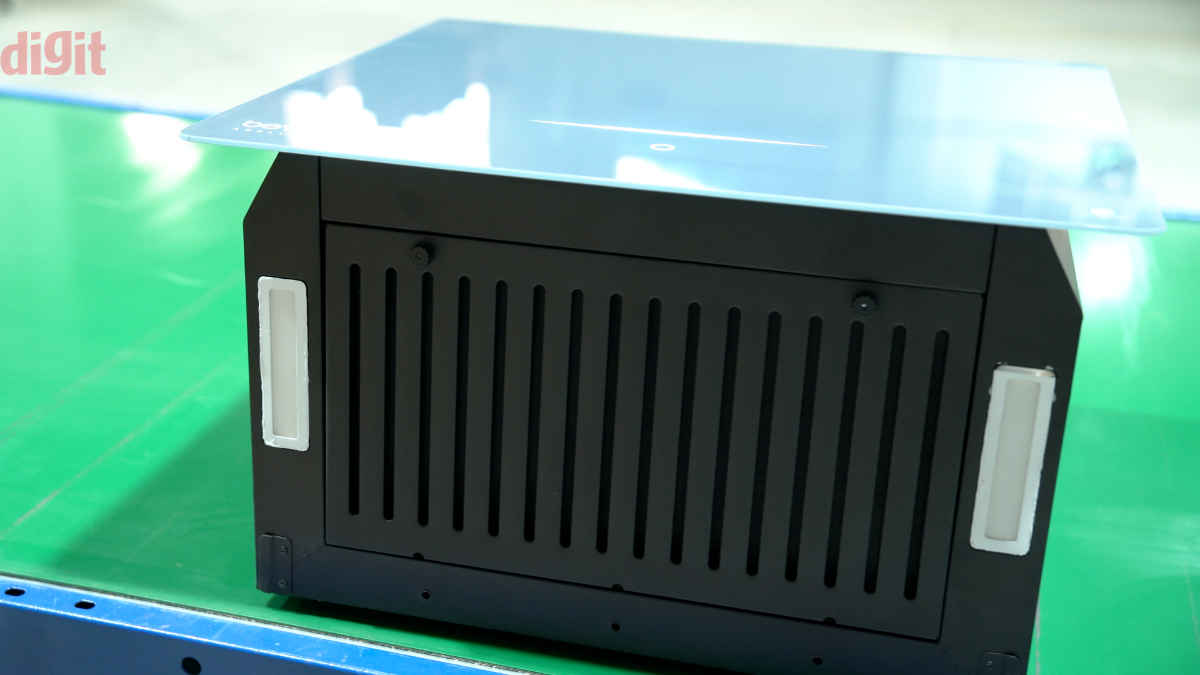
Rakesh: AI gives us the ability to understand user patterns and what makes their life easier. We started with whistle detection. Every household uses pressure cookers. Whistles vary depending on cooker size and design. AI helps learn this pattern and alert the user correctly. We are also working on image processing. Our chimneys can include a camera that covers the full cooktop. It detects LPG leakage, automatically turns on the chimney, sucks the gas out, and alerts the user. So when they enter the kitchen, they are warned and can take preventive action. The chimney also helps remove dangerous gases from the kitchen air.
Do these devices come with a companion app?
Rakesh: Since they are IoT-enabled, they connect to Wi-Fi. Instead of forcing users to download another app, we send WhatsApp notifications. For example: ‘Beyond: your gas is leaking.’ This is simpler and solves the purpose.
Also Read: We want to deliver a Rs 20,000 experience at one-third the cost: Noise co-founder Amit Khatri
With more connectivity, privacy concerns increase. How do you handle user data in terms of storage and protection?
Rakesh: We follow industry standards and a strong data-centric approach. Any customer data is encrypted before storage and decrypted only when necessary. We use tokenisation so we never directly see who the customer is. We see only token numbers, not personal identities. This ensures privacy while still allowing AI-based services.
Where is this data stored?
Rakesh: We currently use AWS (Amazon Web Services), one of the leading global cloud platforms. They maintain strong data safety standards and privacy protections.
Kitchen safety often gets ignored until something goes wrong. What risks do people overlook, and how can technology genuinely prevent them?
Rakesh: India sees more than 35 lakh fire incidents every year, many due to gas leaks. A child may accidentally open the gas valve, or a pipe may leak. The hob and cooktop area is where most accidents start. Safety is the first design principle at Beyond: every product, whether a chimney or hob, is designed with safety as the top priority.
All our cooktops and hobs have Flame Failure Devices and timers. Burner wattage changes based on family size or design needs, but safety remains standard across models. No product is launched without safety built in.
Smart home adoption in India is strong in lighting and entertainment, but slow in kitchens. Why?
Rakesh: The main issue was a lack of innovation. Brands focused on living rooms and washing machines, not kitchens. Yet Indian women spend five to six hours daily in the kitchen. When we introduced smart kitchen devices, customers responded strongly. That helped us build trust and ratings above 4.5 on platforms like Amazon and Google.
Android-powered chimneys are new in India. Are people actually using the screen, or is suction still the main value?
Rakesh: Traditional chimneys were designed mostly for Western kitchens, which involve boiling and steaming. Indian cooking needs stronger suction. So suction remains our first priority. But we noticed something interesting. Even when customers don’t use suction, they use the screen for music or video. Spotify, YouTube, and similar apps. People spend hours in the kitchen and like entertainment while cooking. So infotainment is now used daily, while suction is used as required.
My mother also keeps her phone near the stove to listen to something while cooking.
Rakesh: Exactly. That pattern inspired us to place the screen at eye level and away from direct heat.
Recently, my mother had an oil burn. Could the screen also provide emergency guides or safety tools?
Rakesh: Yes. We support SOS triggers. If something happens and you cannot reach your phone, holding the button for a few seconds can trigger SOS alerts to your chosen contacts.
Customer support often becomes a pain point after purchase. How are you making service, communication, and issue resolution simpler for Beyond customers?
Rakesh: We recently received an award for best customer experience in the D2C category. We let customers reach us through email, WhatsApp, QR codes on products, or directly from the chimney interface. No one needs to search for warranty cards or wait through IVR menus. We also built our own service team instead of outsourcing. We want to be known not just for products, but for strong end-to-end service.
Beyond Appliances currently focuses on chimneys and cooktops. Will you expand into appliances like smart ovens or refrigerators?
Rakesh: Many kitchen categories have not changed in years. But over the next six months, we want to deepen our presence in the chimney and hob categories. In parallel, R&D teams are studying user pain points. We do not want to launch tech for the sake of tech. We want meaningful innovation. Within 6 to 8 months, you may see us launch a new category, which is solving a new problem for the customer.
What is your current market standing, and which cities are driving demand?
Rakesh: Bengaluru, Hyderabad, Pune, Mumbai, and Delhi are our key markets. So far, our journey has been primarily online, and we will soon be looking at offline expansion, starting with Hyderabad, Delhi, and Mumbai. We have reached more than 20,000 homes, hoping to reach a bigger number of homes in the coming year.
Keep reading Digit.in for similar stories.
 Follow Us
G. S. Vasan
G.S. Vasan is the chief copy editor at Digit, where he leads coverage of TVs and audio. His work spans reviews, news, features, and maintaining key content pages. Before joining Digit, he worked with publications like Smartprix and 91mobiles, bringing over six years of experience in tech journalism. His articles reflect both his expertise and passion for technology. View Full Profile


