Intel plans to make GPUs for AI: Will it hurt NVIDIA’s dominance?
 Follow Us
Intel hires top GPU architect to reignite AI ambitions for datacentres
The 14A process positions Intel as foundry and GPU challenger
NVIDIA’s AI dominance faces its first serious Intel push
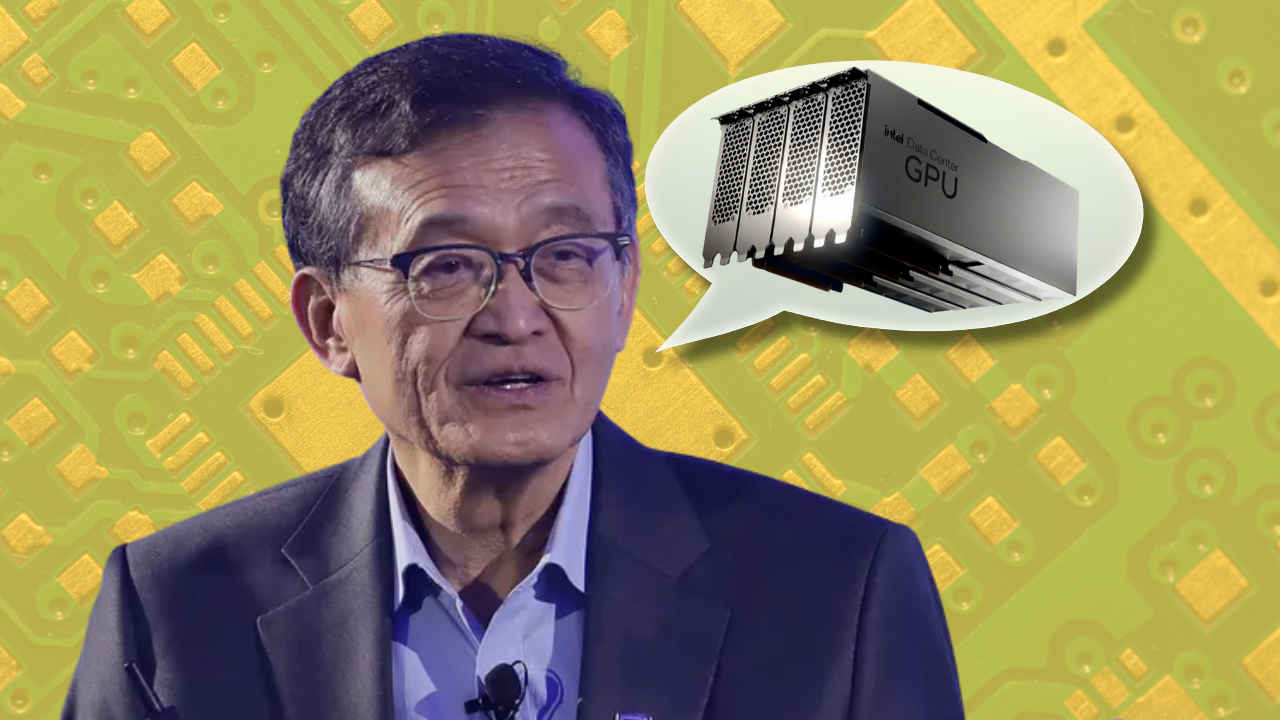

Intel CEO just fired a flare into the most fortified castle in modern computing, which is the AI datacentre GPU market. And this time, it doesn’t sound like a small footnote in Intel’s ambition.
 Survey
Speaking to Reuters at the Cisco AI Summit, Intel CEO Lip-Bu Tan said the company is keen on building GPUs, on top of its bread-and-butter CPU chips.
“I just hired the chief GPU architect, and he’s very good. I’m very delighted he joined me,” the Intel CEO was quoted as saying, further adding that it took some persuading. The new architect is Eric Demers, who recently moved over from Qualcomm.
Demers will have his work cut out for him, because he will be in charge of designing silicon chips that has propelled NVIDIA into the money-printing engine behind today’s AI boom.
As far as Intel CEO Lip-Bu Tan is concerned, Demers isn’t joining to build GPUs as a side-quest for gamers or workstation nerds. Tan was crystal clear about the AI datacentres market their GPUs will attack, and Demers will report into Intel’s datacentre leadership under Kevork Kechichian. “We’re working with customers, and will then define what the customer needs,” said Tan.
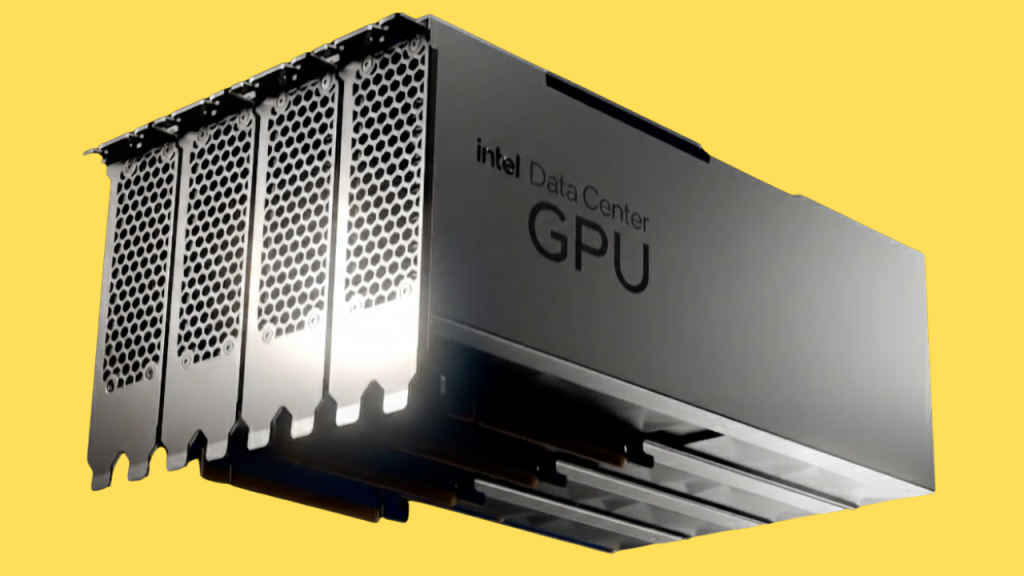
Defining what the customer needs is key, because it’s basically an admission that in 2026, you don’t win AI infrastructure by tossing a raw GPU into the ring. You win by shipping a platform – silicon, memory, interconnect, software, dev tools, all together as a complete package so datacentre customers don’t have to beta-test their future.
Intel 14A-based GPUs for AI datacentres
Of course, the new Intel isn’t all about manufacturing its own CPUs and GPUs, as Intel wants to be one of the leading semiconductor foundries globally.
To that end, Intel CEO Tan said a couple of customers are “engaging heavily” with Intel’s contract manufacturing arm, Intel Foundry, and that the interest is around Intel’s 14A process technology, with volume manufacturing “likely” ramping later this year.
Before I tell you what 14A is, let’s quickly revisit Intel 18A – Intel’s current bleeding-edge process node. Panther Lake or Intel Core Ultra series 3 processors, for example, are built on Intel 18A process node which is a 2nm process.
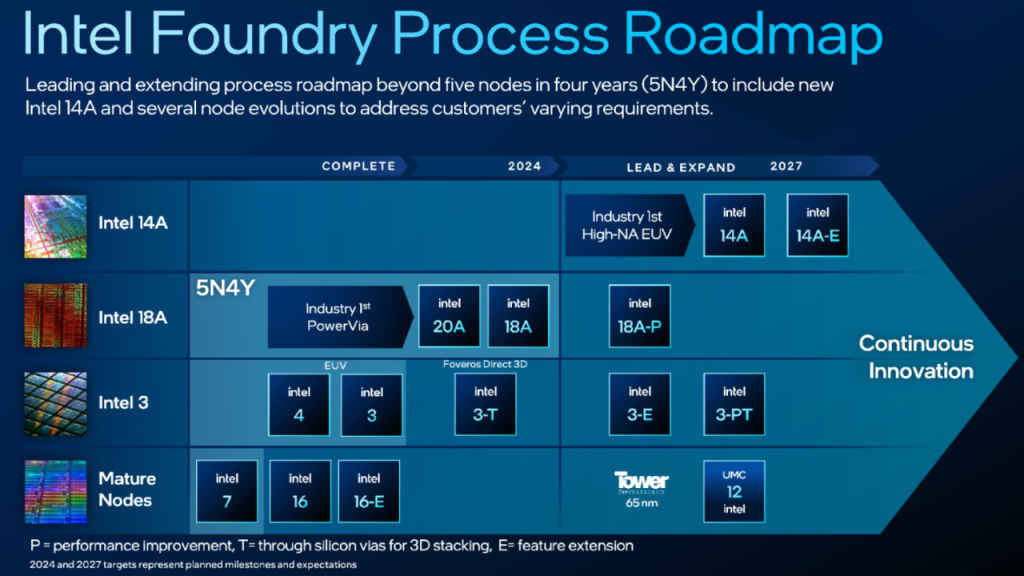
It boasts of RibbonFET (a gate-all-around transistor design) and PowerVia (backside power delivery) as key highlights, down to the chip’s atomic level. Intel says PowerVia can improve standard-cell utilization by 5–10% and boost certain power performance metrics in Intel 18A-based chips.
Intel 14A is a slightly more advanced 18A version. It’s expected to add second-gen RibbonFET, a newer backside-power approach, with Intel projecting roughly 15–20% better performance-per-watt (or 25–35% lower power consumption) versus 18A.
Can Intel challenge NVIDIA’s might?
This is where the penny drops, just because NVIDIA is such a giant of the AI market. Intel isn’t just competing with a chip or class of GPUs like Blackwell. It’s competing with a seriously scalable and market-tested platform.
NVIDIA’s dominance is welded together by CUDA-era software gravity, tuned libraries, and systems-level design where GPUs talk to each other at absurd bandwidth via NVLink-class fabrics.
Also read: Apple, Intel and 18A: Why the foundry deal could rewrite the future of PCs

Intel’s advantage is that it can, in theory, stitch together a credible alternative stack in terms of CPUs, GPUs/accelerators, networking partnerships, and foundry capacity that customers can bet product roadmaps on. But it also comes with its own baggage, with recent AI accelerator strategy resets reminding everyone that execution is what matters – not just a signal of intent.
Intel CEO Lip-Bu Tan’s play seems to be around building serious GPU leadership within the company that can build as per real datacentre customer needs. And ultimately pair the GPU push with a manufacturing narrative (14A) that says Intel can be both the chef and the kitchen.
Will it topple NVIDIA? Not anytime soon. But it’s the clearest sign yet that Intel hasn’t given up on playing in the AI arena just yet.


