
Digit Research: Three in four Indians don’t want deepfake images on social media
 Follow Us
Grok deepfakes spark global government intervention.
X restricts Grok image editing features after image misuse crisis.
Digit readers share their opinion on deepfake content, in the latest Survey.


Elon Musk has a habit of being under fire for his controversial takes on X. But his latest actions, with deepfake images, have led to some serious problems. What started as a joke has evolved into a serious concern, with even government authorities from around the world intervening to halt the situation.
 Survey
Let’s have a look at what exactly happened, while also looking at what our Digit community thinks about deepfake images on social media.
Also Read: Not just Instagram, maybe Meta’s data security culture is the real hack
Elon Musk’s viral bikini controversy on Grok
It all started just a few days back, when X users discovered that it was possible to alter images after giving Grok (X’s built-in AI tool) a prompt. At first, the trend started with just a few funny tweets. Heck, even Elon Musk himself jumped into the trend, as he asked Grok to generate a picture of himself in a bikini.
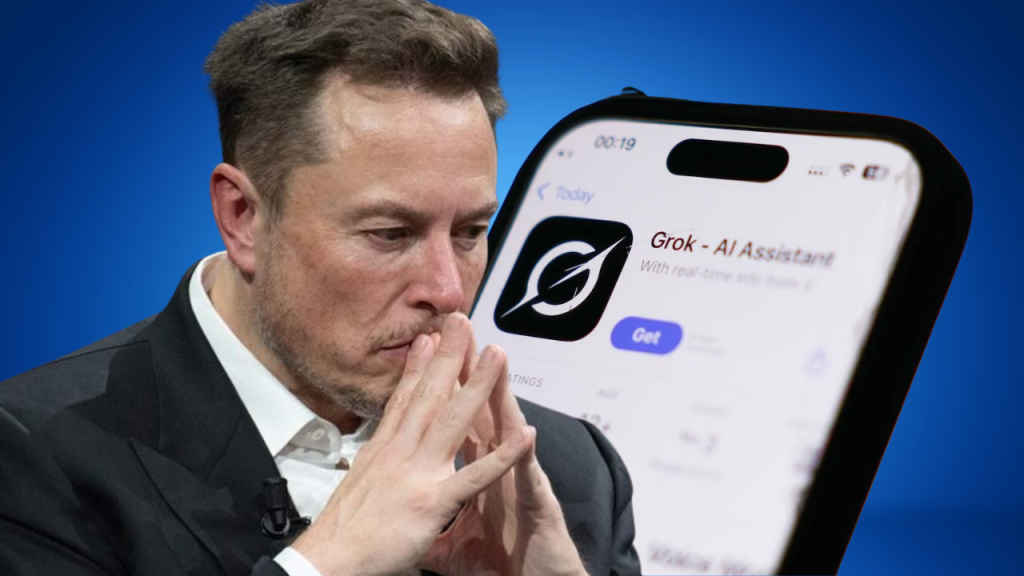
It was all fun and games until some started misusing the tool. Many users targeted women the most by asking Grok to unclothe regular images of women. This was a huge problem, as it compromised the safety and privacy of users on the internet. If all that wasn’t enough, Grok even performed the same prompt on two minor girls, which set this entire controversy off.
While X did not seem to care, as they didn’t issue any statement. However, government authorities from multiple countries stepped in. Countries like Britain contacted X, asking them to comply with legal duties under their Online Safety Act. While the Indian government acted fast, too. At the time of writing, X has been banned in Indonesia and Malaysia.
Seeing all this pressure from the government, X finally decided to step in and handle the matter. X reassured the government authorities that they had blocked a lot of content and deleted more than 600 accounts that were involved. As of now, they have also put on hold Grok’s image generation and editing features, which were previously available to everyone.
All this controversy brings up a big question! What are the thoughts of the public regarding deepfakes on the internet? That’s what we try to find out with this latest Digit Research report, where over 2500 Indians from around the country made their views clear about deepfakes on social media platforms like X, Facebook, Instagram, and so on.
Most Indians want social media platforms to remove deepfake content
Based on the survey we conducted through the Digit.in website, we found Digit readers had recently shared their opinions on deepfake content. Without wasting much time, let’s have a look at what the public really wants from social media platforms.
Our question to the readers was very simple: Should social media platforms automatically label or remove deepfake content? Given the developments made to AI, creating or editing any image on the internet is just a few clicks away. Due to this, reports have shown that the number of deepfake content has increased a lot. This is a huge concern for the privacy and online safety of people, especially women.

Leading the pact with 1768 votes, almost 75% of the votes, over 3 out of 4 people picked Option (D) Yes, always suggesting that social media platforms remove or label deepfake images. The volume of the votes speaks for itself, as it is safe to say, a large part of the audience does not want to see deepfake imageson the internet.
The second leading choice from the given options picked by 353 users was Option (C) only if it is harmful or misleading, meaning that users would want the platform to remove the content, but only in certain situations. This was an interesting revelation, as it seems like users are okay with deepfake content, till it does not harm or mislead anyone.
The third and fourth options surprisingly had the same number of votes. Around 123 people, close to 5% users, picked Option (B) Not sure probably because they weren’t sure about what should be done with this type of content. While the rest 5%, around 121 of our readers picked Option (A) No, protect the free speech, suggesting that there are users who don’t mind deepfake content.
With as much as 75% of people polled by Digit demanding stricter controls related to deepfake images on social media, the message to platforms like X couldn’t be clearer. The majority of Indian internet users are not willing to trade personal privacy for unchecked AI experimentation. We do hope that social media platforms learn from this controversy and take the right measures to avoid such AI-fuelled deepfake controversies in the future.


