Nvidia DLSS 4.5 is here to enhance your gaming sessions: What it does and all you should know
 Follow Us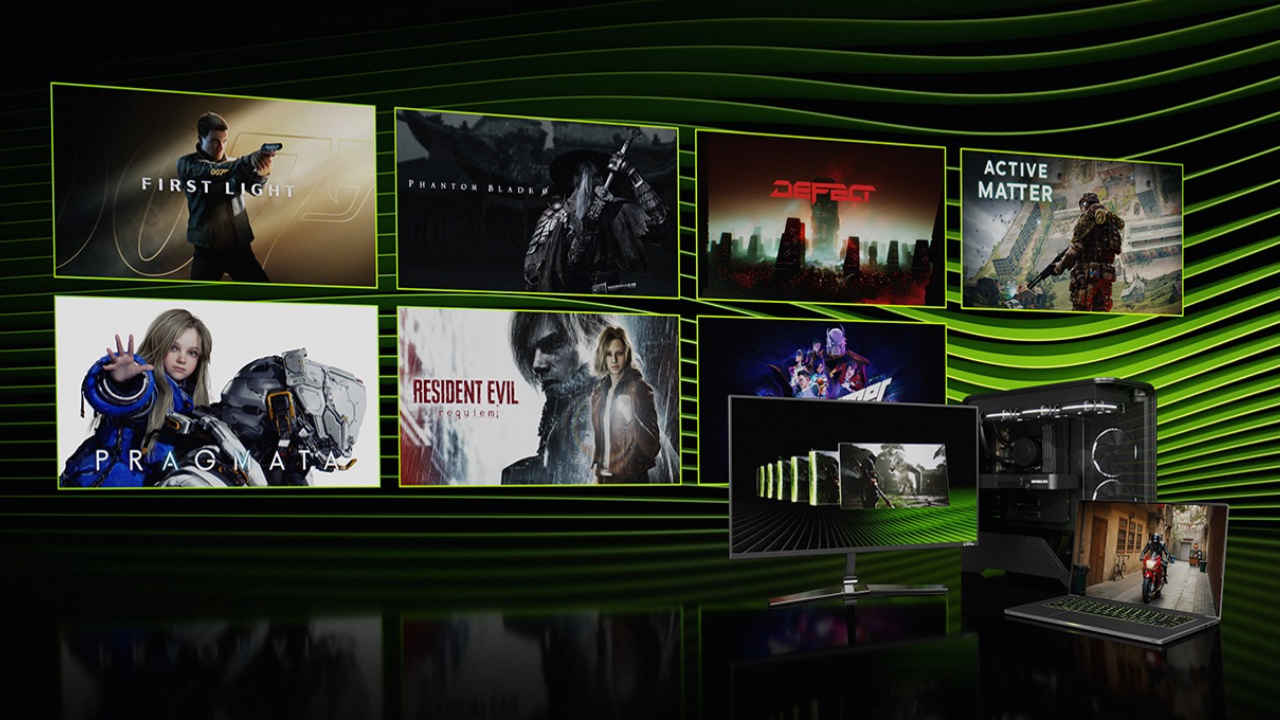

You are deep into a game, fully immersed and about to indulge in what feels like the most important boss fight of your life. But the moment you start running towards that gigantic boss, the game starts to stutter and FPS drops. You quickly hit pause, tone down those graphic settings that made your game look too good to be true, and return to battle. It might not look as gorgeous but at least you won’t have to worry about performance. Sounds familiar? Well, you are not alone. As gamers, we’ve all been there. But it’s 2026 and it is about time we see improvements on this front.
 Survey
Nvidia’s DLSS 4 (announced last year) has already been helping players overcome these exact issues by using AI to boost performance without sacrificing image quality. And now, the company has just announced the next major upgrade to its AI-powered gaming technology at CES 2026. Say hello to Nvidia DLSS 4.5, which is one of the most important updates for PC gaming this year.
Also read: CES 2026: MSI launches new business and gaming laptops, from Prestige to Stealth
DLSS 4.5 is not just about squeezing more frames out of your graphics card. It is about making games look more stable, detailed, and natural, even when a lot is happening on screen. The update is available starting today across all RTX GPUs, though the biggest performance gains are reserved for newer RTX 40 and RTX 50 series cards. Still, even older RTX owners will see meaningful improvements.
To understand why DLSS 4.5 matters, it helps to first understand what DLSS actually does and why it became such a big deal in modern PC gaming. Let’s delve deeper.
What is DLSS: Everything explained
DLSS stands for Deep Learning Super Sampling. While the name sounds intimidating, the idea behind it is actually very simple. When you play a game, your graphics card has to draw every single frame you see. Higher resolutions like 1440p or 4K, combined with advanced lighting and effects, make this job extremely demanding.
DLSS uses artificial intelligence to make this process easier. Instead of rendering the game at full resolution all the time, your PC renders a lower-resolution version first. DLSS then uses AI to upscale that image, adding back detail and sharpness in a way that looks very close to native resolution.
Think of it like watching a low-resolution video that is instantly cleaned up and sharpened before it reaches your eyes. You get better performance without sacrificing visual quality. That balance is why DLSS has become such a core feature for RTX graphics cards.
Before DLSS 4.5: Earlier versions explained
Earlier versions of DLSS focused mainly on upscaling resolution. Over time, Nvidia expanded the technology to include frame generation, where AI creates additional frames in between real ones. This dramatically improved smoothness, especially in demanding games.
DLSS 4, which launched earlier, was already a big leap forward. It introduced a transformer-based AI model and multi-frame generation up to 4x. That meant the system could generate up to three extra frames for every real frame rendered by the GPU. DLSS 4 also saw rapid adoption, growing from 75 supported titles at launch to around 250 games by the end of 2025.
What Nvidia DLSS 4.5 brings to the table
With DLSS 4.5, Nvidia has fixed shortcomings and is pushing both image quality and performance even further.
One of the core improvements in DLSS 4.5 is its second-generation Super Resolution transformer model. Nvidia has trained this new model using massive datasets on its latest data centres, powered by advanced GPUs. The goal is simple but ambitious- teach the AI to better understand what it is looking at in a game scene.
The new model analyses things like motion, geometry, lighting, and disocclusion. These are areas where AI upscaling can struggle. Disocclusion, for example, happens when an object suddenly becomes visible after being hidden, like a character stepping out from behind a wall. Poor handling of this can cause flickering or visual glitches.
With DLSS 4.5, the AI is better at maintaining temporal stability. This means frames look more consistent with each other, reducing flicker and preserving detail when the camera moves. Ghosting, where moving objects leave faint trails behind them, is also significantly reduced.
Anti-aliasing is another area that sees improvement. Jagged edges around characters or objects are smoothed out more naturally, without making the image look soft or blurry.
Nvidia demonstrated these improvements across several games in a press briefing. In The Elder Scrolls IV: Oblivion Remastered, ghosting around fast-moving elements is visibly reduced. In Indiana Jones and the Great Circle, edges appear cleaner thanks to better anti-aliasing. In Kingdom Come: Deliverance II, shimmering in detailed scenes is noticeably lower, especially during movement.
How does multi-frame generation work?
Frame generation is one of the most impressive aspects of modern DLSS. Normally, your GPU renders each frame one by one. But with frame generation, DLSS uses AI to predict what the next frame should look like based on motion and previous frames.
DLSS 4 introduced multi-frame generation up to 4x. And DLSS 4.5 pushes this further with a new 6x multi-frame generation mode, available on RTX 50 series GPUs. In practical terms, this means that for every one real frame rendered by your GPU, the AI can generate up to five additional frames.
This promises to result in much higher frame rates and smoother gameplay, especially noticeable on high refresh rate monitors. Fast camera movements should feel more fluid, and motion should appear to be more natural, even in visually demanding scenes.
Dynamic Multi-Frame Generation and high refresh rate gaming
DLSS 4.5 also introduces Dynamic Multi-Frame Generation, a feature aimed squarely at enthusiasts using 240Hz or faster monitors. Instead of locking you into a fixed frame generation mode, this dynamic system adjusts automatically.
You set a target frame rate, such as 240 frames per second. DLSS then dynamically switches between 1x and 6x frame generation modes to maintain that target as closely as possible. This helps keep frame pacing smooth and consistent, which is critical for competitive and fast-paced games.
How many games support DLSS 4.5?
One of the most important aspects of any DLSS update is game support. DLSS 4.5 launches with support for over 400 games and applications, a significant jump compared to earlier versions. This means players can start benefiting immediately without waiting months for patches.
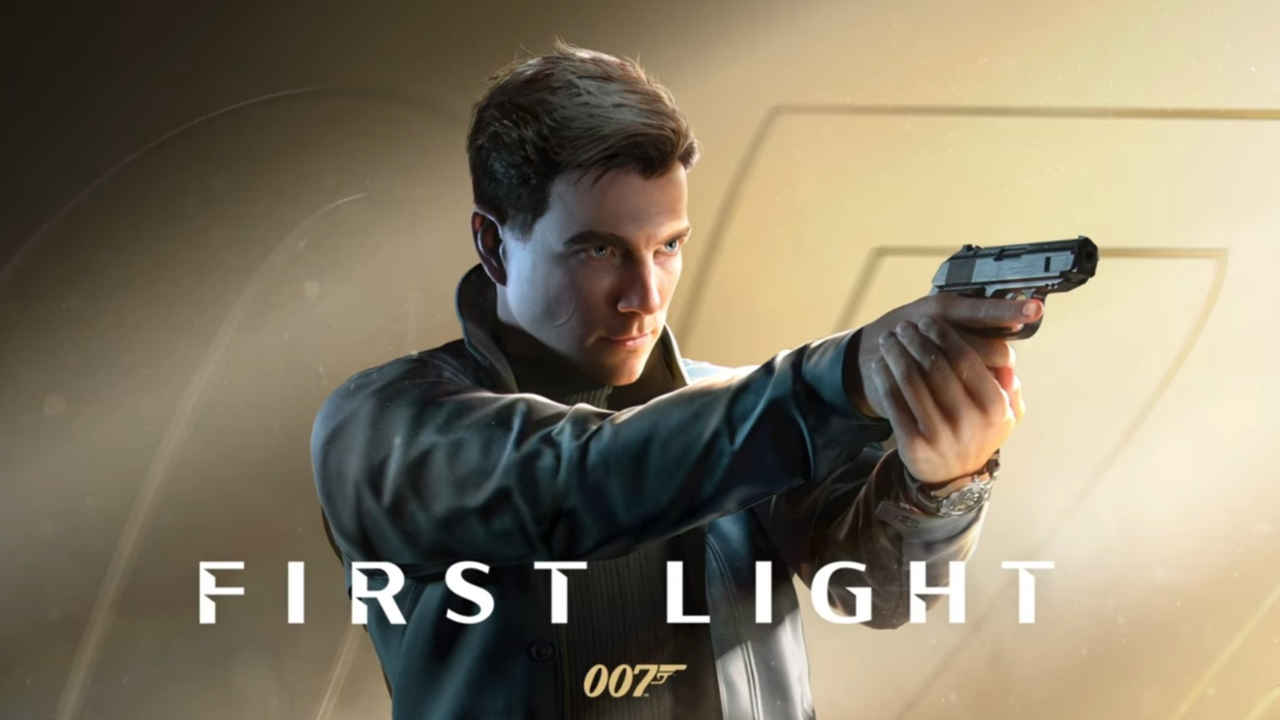
Several major PC titles releasing in 2026 will support DLSS 4.5, including 007 First Light, Phantom Blade Zero, Pragmata, and Resident Evil Requiem.
For players, this means better visuals and smoother gameplay right from day one, even in graphically intensive games.
Who gets DLSS 4.5 and when
DLSS 4.5 Super Resolution is available now across all RTX GPUs, including older RTX 20 series cards. This means improved image quality is not limited to the latest hardware.
The advanced Dynamic 6x Multi-Frame Generation mode, however, is exclusive to RTX 50 series GPUs and is scheduled to roll out in Spring 2026.


