
God of War: Sons of Sparta Review
 Follow Us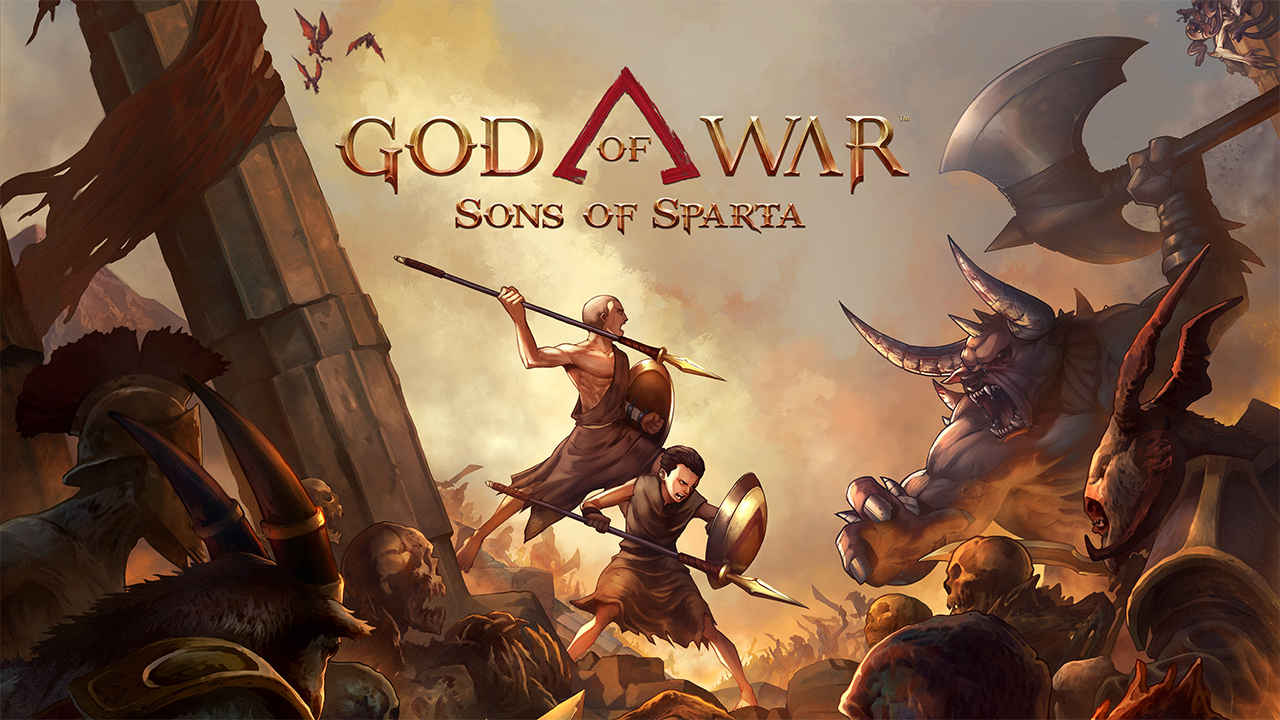

For more than 20 years, God of War has balanced brutal combat with surprisingly thoughtful character drama, building one of gaming’s most recognisable sagas in the process. God of War: Sons of Sparta takes a different route. This 2D, side-scrolling prequel steps away from the scale and spectacle of the mainline games to focus on a younger Kratos and his bond with Deimos during his Spartan youth. The result is a smaller, more intimate adventure that aims to add texture to Kratos’ past rather than reshape the broader mythology. It succeeds in some areas more than others, but it remains an intriguing detour.
 Survey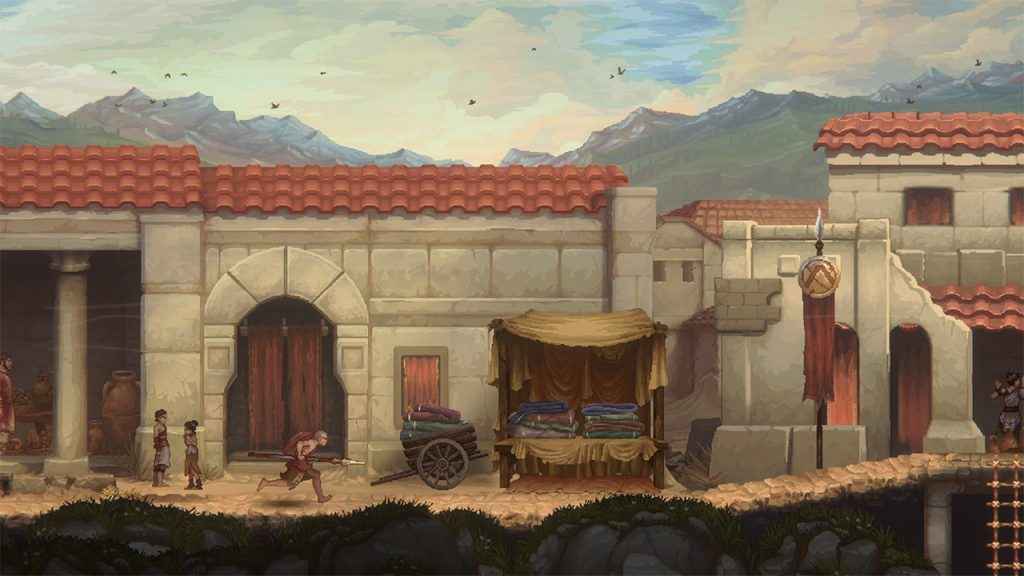
God of War: Sons of Sparta Story
Framed as an older Kratos recounting the tale to Calliope, it immediately shifts the tone away from mythic grandeur and towards something more reflective. It gives the game an emotional softness that the series does not often indulge, especially in its Greek era. Kratos is still stern, still proud, and still shaped by Spartan discipline, but he is not yet fully consumed by the fury that later defines him. That makes him more interesting than expected. He comes across as rigid and resentful, but also oddly earnest, like a young man trying very hard to be the perfect Spartan without yet understanding what that ideal will cost him.
Deimos provides the necessary counterbalance. Where Kratos is rules-bound and simmering, Deimos is more impulsive and emotionally direct. Their dynamic gives the narrative its strongest moments. The actual plot is not especially consequential in the broader context of God of War lore, and it does not fill some grand missing gap in the saga. But it does offer texture. It adds a layer to Kratos’ upbringing, to his family ties, and to the emotional foundations of the man he becomes.
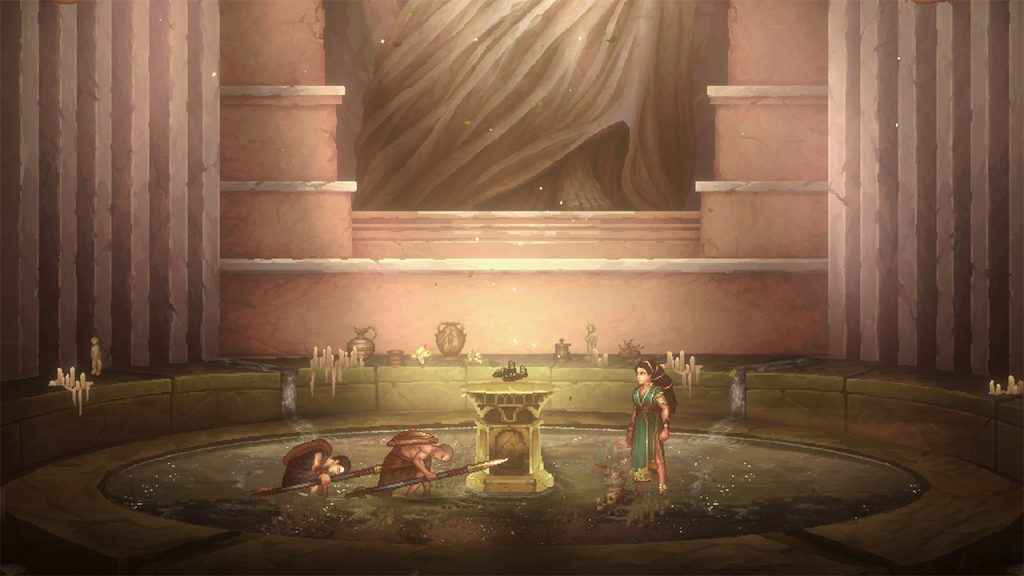
The writing is strongest in the quieter scenes. Small bits of dialogue, flashes of humour, and moments of affection do more for the story than the main conflict itself. There is a sincerity here that makes the ending land better than expected. Even when the overall stakes feel modest by the standards of the series, the emotional payoff still feels real. Sons of Sparta may not be essential mythology, but it is a worthwhile character piece.
Gameplay and design
As a Metroidvania, Sons of Sparta feels competent without ever becoming truly absorbing. The game is built around an interconnected map around Sparta, with the usual genre structure of blocked paths, ability-gated progression, hub-based backtracking, and gradually opened shortcuts. It understands the shape of a Metroidvania, but not always the magic of one.
Exploration is easy enough to follow. The map is readable, and the game usually does a solid job of showing where unfinished business lies. That helps keep backtracking manageable and prevents the experience from turning needlessly frustrating. The world design also benefits from keeping most routes branching out from Sparta, which means objectives rarely feel too distant from the central hub.
The problem is that exploration rarely feels exciting in itself. New abilities often function more like simple keys than transformative tools. They unlock a switch, burn away a blockage, or open a new route, but they do not really change how traversal feels moment to moment. A great Metroidvania makes the world feel richer every time a new ability is earned. Here, progression often feels more mechanical than thrilling.
Movement reflects that same sense of adequacy. It works, but it rarely shines. Kratos can jump, climb, and navigate the world without too much friction, yet platforming seldom feels fluid enough to be rewarding on its own. It is not bad, but it does not have the snap or rhythm that helps this genre stand out. For most of the game, movement is something that gets the job done rather than something that actively delights.
Pacing is another mixed point. Because the game is built like a larger exploratory adventure rather than a brisk spin-off, it can start to feel stretched. Fast travel helps, but not quickly enough, and some of the later convenience systems arrive after the backtracking has already worn thin. That makes the overall structure feel longer and more drawn out than its story perhaps needed.
Combat mechanics
Combat is where Sons of Sparta feels most uneven. There are interesting ideas within the system, but the actual feel of battle never quite matches what a God of War game should deliver. Attacks lack some of the weight and savagery expected from Kratos, and enemy encounters often settle into patterns that become repetitive long before the game is over.
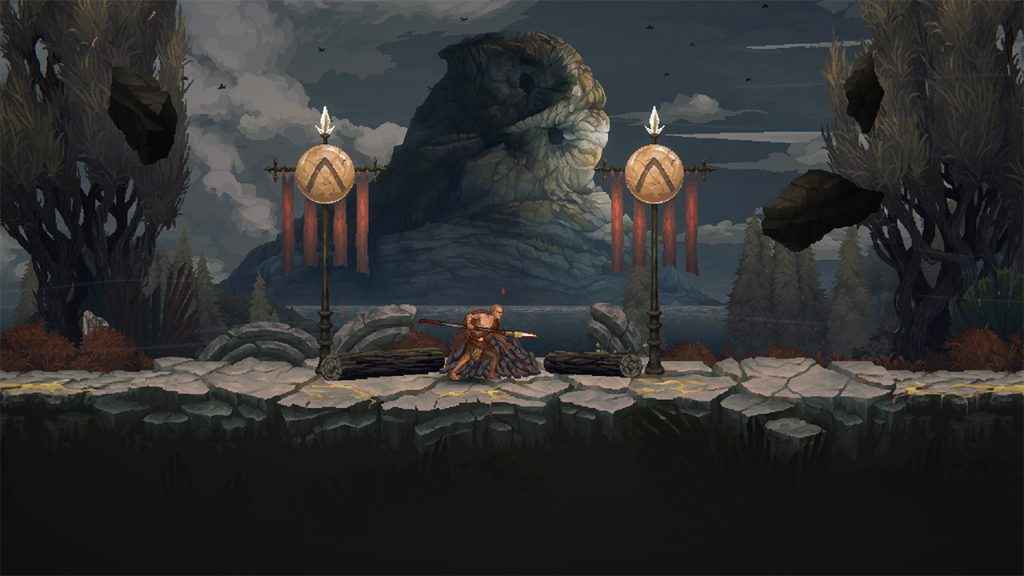
The core system asks the player to juggle dodging, blocking, parrying, projectile use, and resource management. Enemies telegraph attacks through a heavy colour-coded scheme, which is clear enough on a functional level but tends to make combat feel overly instructional. Instead of reacting naturally to enemy behaviour, fights often become an exercise in reading signals and giving the correct response. That drains some spontaneity from the action.
On standard difficulty, the game is manageable, and there is rarely a sense of being brutally punished. But that also means combat can feel a bit flat. Higher challenge does not necessarily make encounters smarter or more dynamic, it just makes them longer. Enemies absorb more damage, which pushes some battles from mildly engaging to mildly tedious.
A stun system enables brutal kill finishers, but these rarely land with the force they should. For a series so closely associated with over-the-top executions, the finishers here feel oddly muted. They are violent enough in concept, but the animation and impact do not sell them. It all feels slightly lighter and less dramatic than the franchise’s usual standard.
Enemy placement also creates frustration in places. Some fights on ledges or cramped platforms become awkward because enemies occupy spaces in a way that disrupts movement and engagement. Rather than creating tension, these moments simply expose the limits of the combat design. Boss fights, too, are mixed. A few are entertaining and hint at something stronger, but too many lack the spectacle, precision, or memorability expected from this series.
Performance
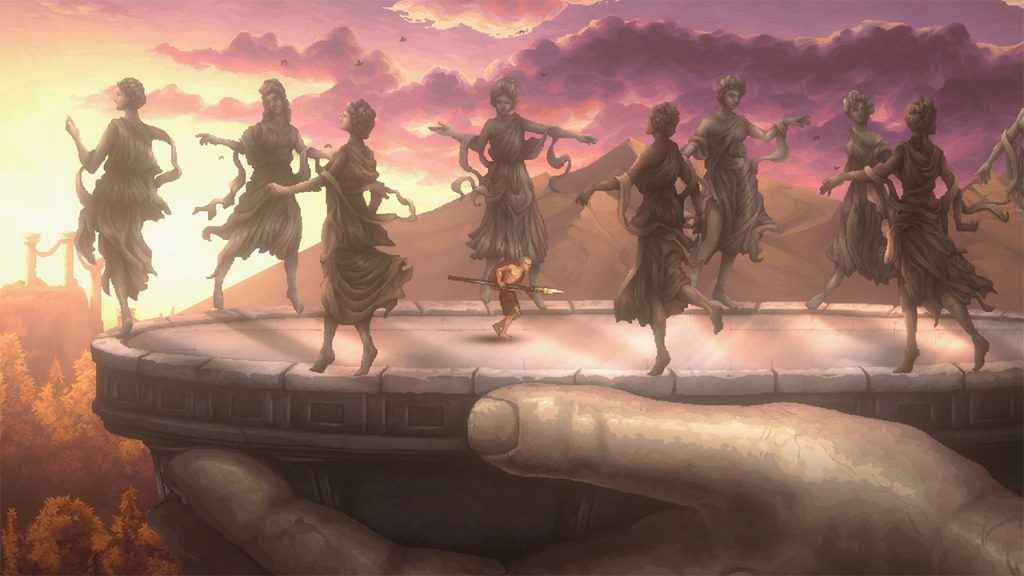
Technically, Sons of Sparta is stable enough for most of its runtime, but it does not feel as polished as one would expect from a franchise with this reputation. The pixel-art presentation is a bold change of direction, and some of the background work is genuinely attractive once the eye settles into the style. There is a nice effort to reinterpret the Greek-era visual language of God of War through a 2D lens, and at times that works rather well.
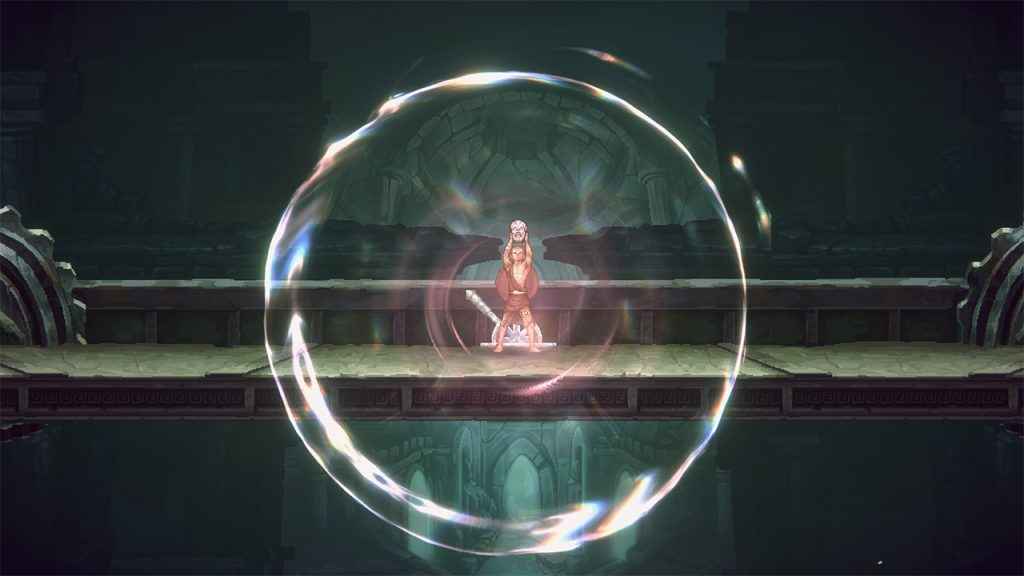
Still, the overall presentation is inconsistent. Character animations can feel clunky, and some visual shortcuts stand out more than they should. There are moments where movement or collision looks slightly off, and that cheapens the illusion a bit. In a lavish 3D blockbuster, small issues can get buried under spectacle. In a leaner 2D game, they become easier to notice.
There are also gameplay-adjacent technical frustrations, particularly in encounters where positioning breaks down or bosses trap Kratos in awkward corners. These moments do not dominate the experience, but they do make the game feel rougher than it ought to. It never feels fundamentally broken, but it also never feels impeccably tuned.
One area that does consistently impress is the soundtrack. The score brings scale and energy to the adventure even when the mechanics are struggling to do the same. It helps preserve the sense that this still belongs to the God of War universe, even if the format and budget are clearly smaller.
Verdict – God of War: Sons of Sparta
God of War: Sons of Sparta is an interesting side chapter rather than an essential entry. Its greatest strength lies in its story, particularly the way it humanises a younger Kratos without undermining the tragedy of who he becomes. The relationship with Deimos, the framing with Calliope, and the more intimate emotional tone all give the game an identity that is distinct from the mainline titles.
The trouble is that the mechanics do not consistently support that emotional strength. Exploration is serviceable rather than compelling, movement is functional rather than elegant, and combat often feels lighter and more repetitive than it should. There are flashes of good design, but not enough of them to lift the full experience above solidly middling territory.
That does not make it a bad game. It remains worth playing for those who care about Kratos as a character and want an extra chapter from his earlier life. It simply does not match the standard set by the best games in this franchise, or by the strongest Metroidvanias around it.
In the end, God of War: Sons of Sparta works best when treated as a smaller experiment with heart. It is not unforgettable, and it is certainly not essential, but it adds enough emotional context to justify its existence. For that reason alone, it is easier to appreciate than to admire.


