Ghost of Yotei Review – A revenge narrative that feels personal
 Follow Us

Ghost of Yotei steps into a daunting legacy given how well Ghost of Tsushima was received. It neither tries to out-shout Ghost of Tsushima nor retreat into nostalgia. Instead, it carves a colder, more intimate path through Ezo, a frontier where wind and grief shape every choice. You play as Atsu, a mercenary who travels not with banners but with scars, crossing snow-bright valleys and reed-choked marshes in pursuit of six figures whose names become both waypoints and warnings. The game’s power lies in how it binds the personal to the panoramic. Moments of stillness sit alongside brutal duels, and the landscape feels complicit in both. If Tsushima was a tale of a samurai pulling away from tradition, Yotei is the story of a survivor learning which parts of themselves to keep, and which to let the wild take.
 Survey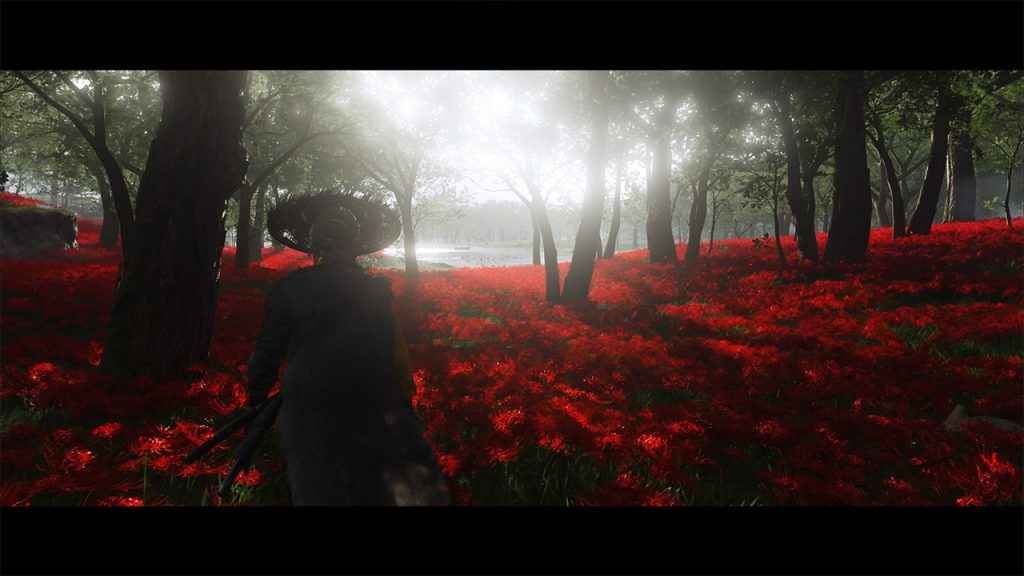
Story
Atsu’s hunt begins with loss, and the narrative wastes little time turning that pain into purpose. The Yotei Six, a cabal of outlaws who serve as the game’s spine, are sketched with clear motives, distinct territories, and a web of consequences that spill beyond their strongholds. The structure feels episodic without becoming predictable. You gather threads in villages, track rumours through shrines and taverns, then follow those threads into set pieces that are as much about character as choreography. Ezo itself anchors the plot. It is a liminal place where the old order has not fully settled, which gives Atsu’s moral contortions a credible frame. Side stories rarely drift into throwaway territory, because even minor characters seem to carry the weight of uncertain times, from trappers negotiating with bandits to families debating whether honour still pays the rent.
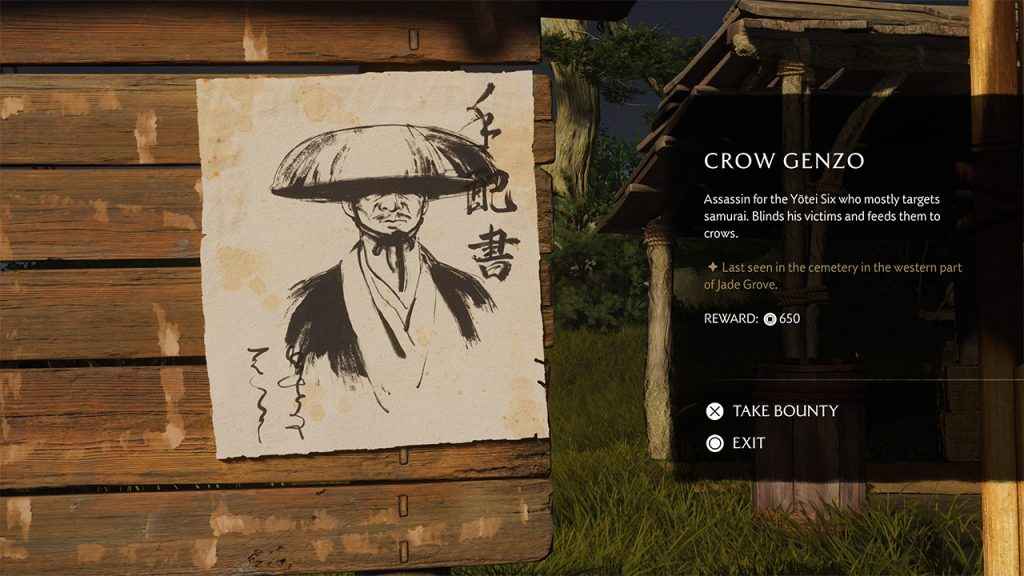
Where Jin Sakai shouldered the burden of leadership, Atsu is pointed inward. Ghost of Yotei cares less about liberating provinces and more about reading the world like a dossier. The semi-open structure is tighter, and the main path keeps its pulse even when you wander. You might spend an hour listening to a fisherman describe a haunted inlet, then use that knowledge to intercept a lieutenant’s supply route, which in turn reframes your duel with the boss waiting at that inlet’s far shore. The rhythm feels intentional. Campside activities like cooking or practising the shamisen are not distractions, they are palette cleansers. The tone is harsher and more private than Tsushima, closer to a hunter’s ledger than a hero’s chronicle, and that shift makes its eruptions of warmth land with greater force.
Continuity is clear. The dance of stances, parries, and posture breaks remains a crisp language that rewards patience and nerve. The horse is still your co-star, a bridge between distant troubles and the next decision. Cinematic framing continues to shape how stories are told, with wind and cloth doing work that lesser games leave to dialogue. Exploration still yields new techniques, cosmetics, and small human dramas. In short, if Tsushima taught you to read the curve of an enemy’s blade and the hesitation in their shoulders, Ghost of Yotei trusts you to bring that literacy here, then deepens it with nastier arenas and more deceptive foes.
Visuals
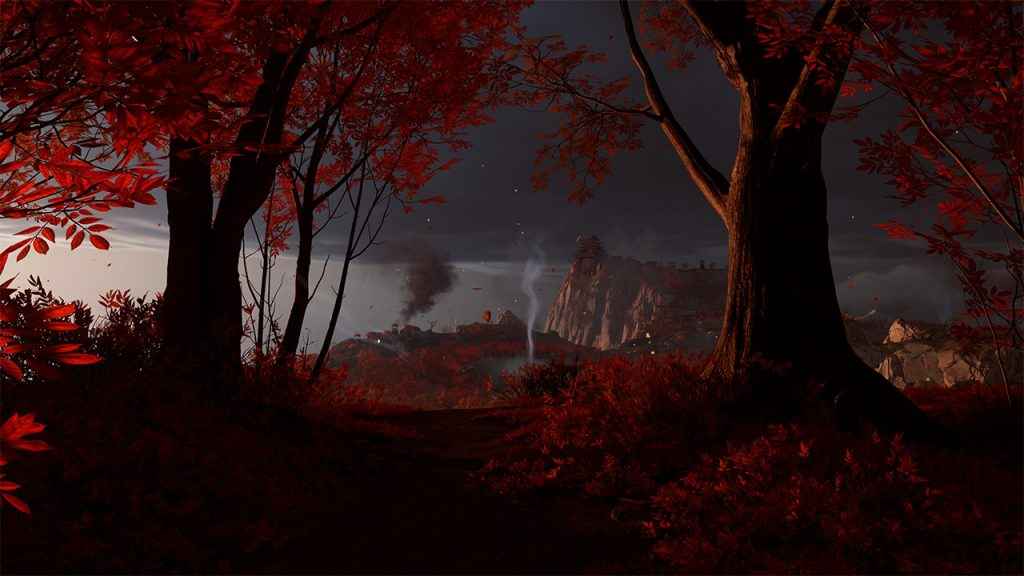
Ghost of Yotei’s camera feels like a co-author. Conversations are blocked with restraint, and the editing is judicious, letting glances and pauses perform heavy lifting. Duels rarely sprint from cutscene to chaos. There is a breath between, a hush where the wind has its say and the fabric on a sleeve finishes its sentence. The visual grammar borrows from classic jidaigeki (Japanese period dramas), yet the art direction stops short of pastiche. Colour is used as signal and symbol, especially in boss encounters, where a shift in palette quietly primes you for the emotional angle of a fight. Environmental storytelling is confident, from charred pine forests whose soot lingers in snowdrifts, to lacquered bridges where reflections tremble with passing footsteps. Even minor interiors, such as fisher huts and roadside tea stalls, tell small stories with props and light falloff rather than expository chatter.
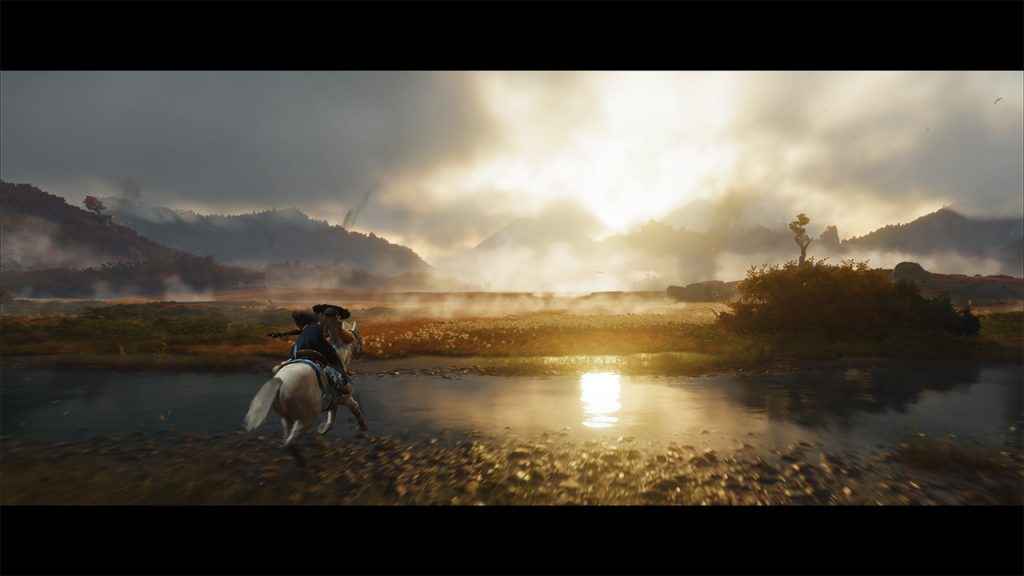
Traversal is where the world exhales. The grasslands of Ezo are not just postcard pretty, they are dynamic. Reeds bend in gusts that feel tethered to weather systems rather than background loops. Herds scatter in believable arcs. Footpaths along cliffs thread the line between scenic and treacherous. The game trusts riders to read terrain, so shortcuts are plentiful, and gentle slopes often conceal ambush pockets. A favourite flourish is how the audio and camera settle into a travelling cadence when you find a long run across open ground. It turns movement into meditation. It also breaks the revenge cadence just enough that when steel finally sings again, you feel it.
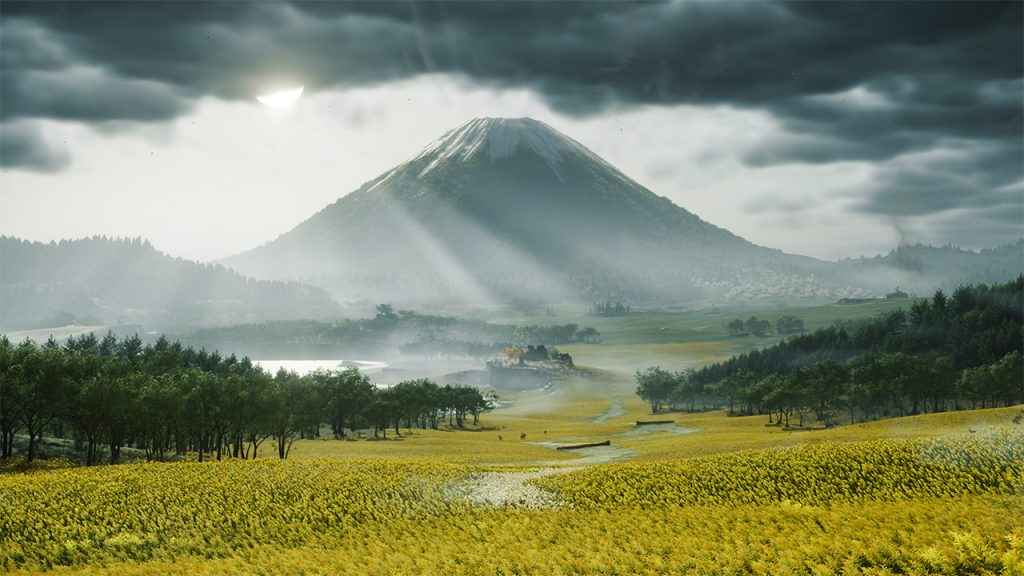
On PlayStation 5, Ghost of Yotei presents a considered pair of performance and fidelity modes. Texture work is rich without drifting into waxiness, with practical wear on armour and weapons that tell their own histories. Foliage density never becomes noise, because lighting and depth of field separate planes cleanly. Particle and weather effects carry weight, especially in blizzards that change the mood as well as the visibility. Ray tracing is used with restraint. Night scenes and water benefit most, and rather than becoming a showroom of reflections, the technique adds depth and subtlety to shadowed interiors and moonlit duels. Importantly, animation holds up under scrutiny. Cloth reads as fabric, not plastic, and enemy reactions to parries and body shots sell the violence without numbing it.
Gameplay and combat
At its core, Ghost of Yotei’s combat speaks the same elegant dialect as Tsushima. Stances telegraph intent, deflect timings are readable, and the clash between measured duels and opportunistic stealth remains compelling. The differences are structural and tactical. Targets in the Yotei Six are hunts, not merely boss icons. You assemble intel that shapes layouts, patrol routes, and duel conditions. Traps, decoys, and misinformation creep into your playbook. Fights unfold in arenas that often impose soft constraints, nudging you into styles you might otherwise neglect. One fort might reward bait-and-isolate tactics, while a mountain temple, wrapped in swirling snow, encourages quick posture breaks because visibility is poor and ranged threats are harder to track.

Atsu’s move set extends beyond inherited stances. Grapples and short-range tools create tiny windows where initiative becomes a resource, as valuable as Resolve. Investing in skill trees feels purposeful, because perks are tied to behaviours, not just raw numbers. For example, a precision deflect that opens a throw, which then sets up a heavy follow-through, so you think in chains rather than isolated buttons. This sense of linkage keeps combat fresh long after basic mastery sets in.
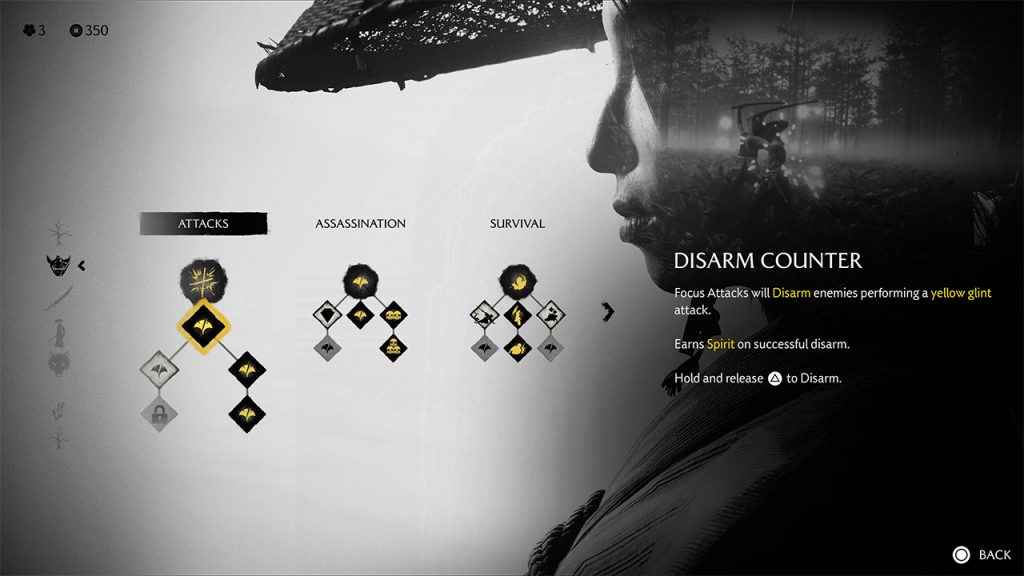
Enemy AI, while improved in awareness and flanking, occasionally loses bite once you have the parry windows in your muscle memory. Heavily armoured foes and elite duelists retain menace, but mixed skirmishes can drift toward formula once your toolkit is fully unlocked. The semi-open structure, although focused, means the handful of repeatable side activities stand out when attempted in rapid succession. Performance is mostly steady, but the busiest weather and particle-laden clashes can produce minor dips if you prioritise fidelity. None of these caveats derail the experience, they simply nudge it away from unqualified perfection.
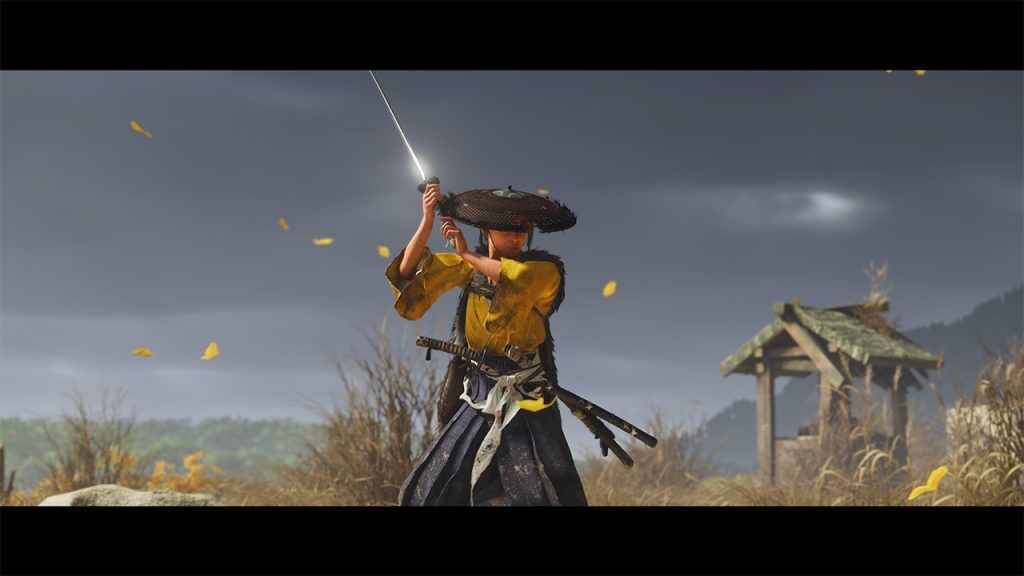
Ghost of Yotei shines in how exploration feeds expression. Discoveries grant more than loot. They expand your vocabulary. A new technique learned from a hermit duellist in a cliffside dojo might change how you approach every future standoff. Small narrative vignettes reward attention with both utility and empathy. Combat feedback remains superb. Perfect deflects click with a satisfying bite, audio and animation confirm your judgement, and posture breaks open clean, cinematic finishers that never overstay their welcome. Boss fights are the standouts. Each member of the Yotei Six embodies a theme, testing timing, composure, or opportunism in distinct ways. The progression curve respects your time. Power growth feels earned rather than granted, which keeps even late-game encounters honest.
Sound design
The score leans on strings and woodwinds, with percussion used sparingly until battles require grip. Melodic lines often pull back to give diegetic sounds space, which is wise, because Ghost of Yotei’s world breathes. The music’s role is to hold the camera steady rather than yank it. On long rides, themes stretch into gentle motifs that keep you company without washing the world in syrup. During narrative beats, cues are thoughtful, tilting scenes toward reflection or dread without dictating your response.
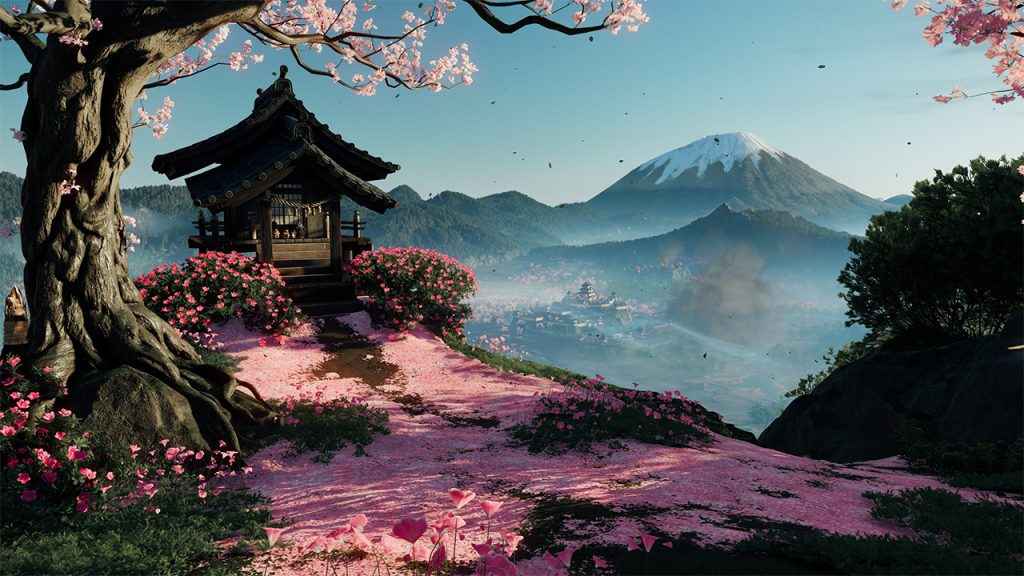
In combat, arrangements lock to rhythm. You hear short phrases that rise with pressure, then fall away when you regain control. Boss themes touch on identity as much as threat, sketching personality through instrumentation. The shift from stealth to duel is handled with a neat musical pivot, as if the world draws a curtain and the stage lights come up. Crucially, the mix leaves room for foley. The music underlines intent, but steel and breath carry the drama.
Foley work is textured and precise. Footfalls on snow compress differently to mud. Bamboo fences rattle in gusts that you can almost measure. Armour settles with a weight that tells you an enemy’s stance before you see it. Arrows complain in the air. When storms roll across the map, the low end swells in a way that changes your outlook before you even clock the clouds. Sound is also a guide. Distant drums hint at rituals. Lullabies drift from hamlets and lead to side stories that feel discovered rather than delivered. The design teaches you to ride with the music soft and your ears open, which makes the world feel cooperative, not merely decorative.
Verdict – Ghost of Yotei
Ghost of Yotei is an assured, evocative sequel that understands why its predecessor mattered, then looks for fresh angles rather than louder echoes. The story is intimate, sharpened around a single life and the six obstacles that define it. The world is a partner in that story, from snow that muffles choices to wind that frames them. Combat remains a joy to read and to perform, both legible and lethal, with additions that encourage expression without sacrificing clarity. Visuals and audio combine to elevate the familiar into something quietly astonishing, with cinematic instincts that never smother play.
It is not perfect. A handful of side activities repeat, and some enemy behaviours fall into patterns that skilled players will exploit. Technical ambition occasionally nudges performance. Yet the whole is resilient. The game keeps finding ways to make you care about the next hill and the next duel. By the time the credits roll, Atsu feels less like a vessel and more like a person, and Ezo feels less like a map and more like a memory. That is the alchemy which great single-player adventures chase.