
Optoma UHR90DV first look: a flagship RGB triple-laser projector makes its India debut
 Follow Us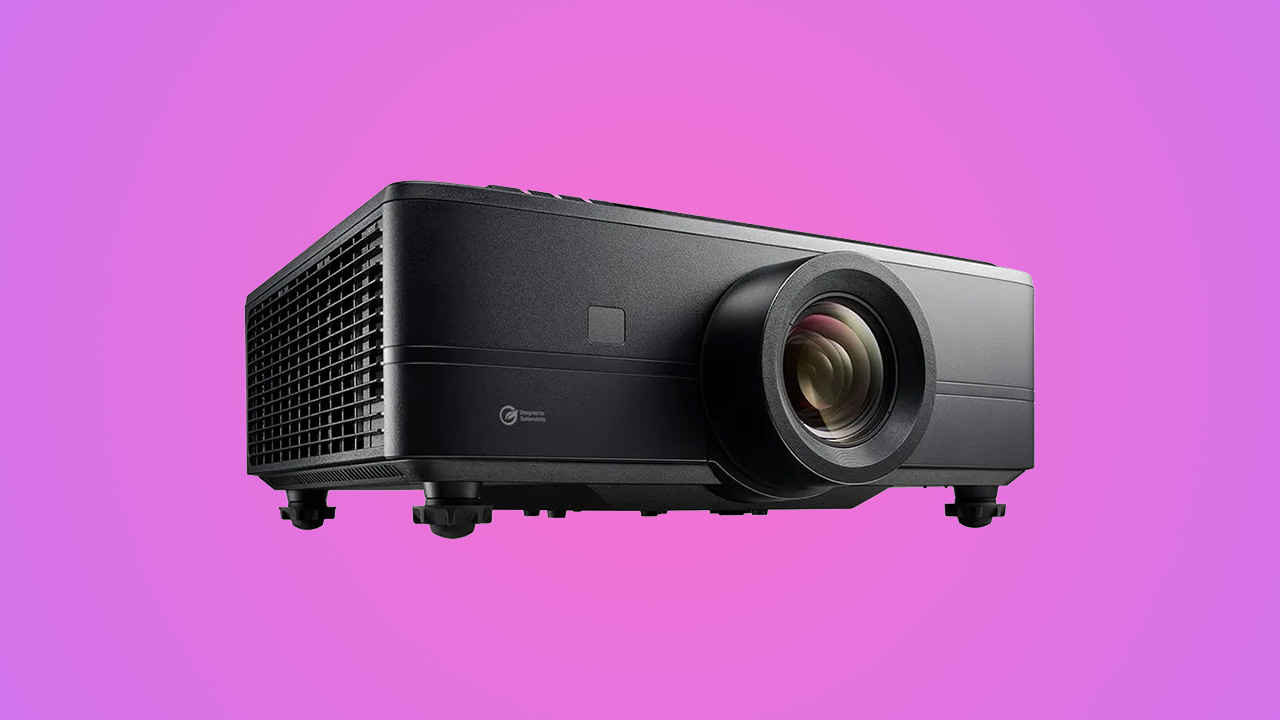

Optoma’s home cinema story in India has typically been about value-led 4K projection, plus the reassuring familiarity of DLP. With the new UHR90DV, the brand has many convinced that they’ve got the chops to bring out flagship-tier projectors. This is Optoma’s first RGB triple-laser home cinema projector for the India market, presented as a true flagship, and the company is leaning hard into credentials that signal “no-compromises” intent: Dolby Vision, HDR10+, IMAX Enhanced and FILMMAKER MODE, all wrapped around a very high-brightness engine rated at 5,000 ISO lumens.
 Survey
The launch approach focused on the stuff that mattered rather than pure marketing lingo. Instead of the usual ballroom demo with unpredictable lighting and less predictable source material, Optoma showcased the UHR90DV through limited sessions at the Listening Lab in Mumbai. It is the sort of environment you use when you want people to focus on the image rather than the event.
A new light engine capable of 5000 lumens
RGB triple-laser projection is the core feature here, and it is not just a spec-sheet flex. By using dedicated red, green and blue laser light sources, the UHR90DV is designed to deliver purer primaries than lamp-based projectors, and to do so with consistency over time. Optoma claims 96% coverage of the BT.2020 colour gamut, which is a meaningful number in home cinema terms because BT.2020 is the wide colour container used for modern UHD HDR content. In plain English, it is an attempt to get closer to “cinema” colour without needing to pull the image back into a smaller, safer palette.
In the demo environment, the immediate benefit of that approach is not merely more saturated reds or punchier greens, it is the sense of colour separation in complex scenes. Think neon signage against dark streets, warm practical lights in dim interiors, or richly textured costumes where subtle shades can otherwise collapse into “close enough”. A wide-gamut light source gives the projector more room to draw those differences without turning everything into a cartoon.
Optoma is also pitching the UHR90DV as bright enough to stay usable beyond a fully blacked-out room. 5,000 ISO lumens is a serious claim for a home cinema model, and it hints at the projector’s intended audience in India: enthusiasts who want a big-screen image, but who may not always have a dedicated theatre room with perfect light control.
Dolby Vision and HDR10+ are the more practical upgrades
HDR is where premium projection often becomes complicated, because projectors do not have the same peak brightness headroom as high-end TVs. The UHR90DV’s support for both Dolby Vision and HDR10+ matters because both formats use dynamic metadata, effectively allowing the display chain to adapt brightness and contrast decisions scene by scene rather than treating an entire film as one static target.
In practice, this is usually about retaining highlight detail without sacrificing shadow nuance. A candle flame or a bright reflection can stay bright, while darker parts of the frame avoid becoming a uniform grey wash. Optoma is also quoting an attention-grabbing 4,500,000:1 contrast ratio. Real-world contrast is always a mix of optics, room reflections, tone mapping and content, but it signals that Optoma wants the conversation to be about blacks and depth, not just raw brightness.
Then there is FILMMAKER MODE, which is increasingly becoming a shorthand for “stop trying to be clever”. The mode disables common post-processing like motion smoothing and aims to preserve the creative intent, including correct frame rate, aspect ratio and D65 colour temperature. For anyone tired of the soap-opera look, that alone can be a persuasive tick-box.
IMAX Enhanced adds a ‘premium theatre’ angle
The other badge on the UHR90DV is IMAX Enhanced certification, which Optoma describes as delivering IMAX’s signature picture and scale, calibrated by Hollywood technical specialists. In a projector context, “scale” is the easy part, a 120-inch screen gets you there quickly. The harder part is maintaining punch and clarity across that size, particularly with HDR content. Optoma’s positioning suggests it wants the UHR90DV to feel like a step above the typical “big image, compromised HDR” trade-off that many home projectors end up making.
It is worth noting that “IMAX Enhanced” also has an audio side, which is where the demo venue becomes part of the product story rather than mere set dressing.
Listening Lab: why this demo room matters
Optoma’s decision to show the UHR90DV at Listening Labs is worth noting. The reference system on hand is the sort of chain designed to expose weaknesses, not flatter them. The front soundstage was handled by KEF Blade 2 Meta speakers with a KEF Reference 2C centre, backed by multiple PMC surround speakers and dual REL S/510 subwoofers. Processing and amplification came via a Marantz Cinema 40 AV receiver, plus dedicated amplification from Emotiva and a Rotel Michi X5 for stereo duties. Sources included a Sony UBP-X700 UHD player and an Apple iPad Pro feeding Apple Music, while a Roon Nucleus server and a Lindemann Limetree Bridge network switch covered network playback. The room itself leaned on proper acoustic treatment, with Ultracoustic panels, and the cabling was handled by Zensati Zorro.
Experiencing the projector in such an environment is optimal because high-end projection is rarely experienced in isolation. A big-screen “cinema at home” pitch is as much about the total sensory setup as the projector itself. Pairing the UHR90DV with a reference-grade audio system does two things. First, it gives a more believable theatre-like context, where image scale and dynamics feel purposeful. Second, it removes distractions, you are not mentally compensating for a thin soundstage or boomy bass while trying to judge shadow detail or HDR highlight behaviour.
On the visuals side, the Listening Lab setup included a 120-inch projection screen, plus a 77-inch Sony A80 OLED TV in the room. That is a useful reality check because OLED remains the reference for black levels and HDR perception. A projector demo that acknowledges that comparison implicitly states that the goal here is not to “beat OLED” on pure blacks, it is to make the case for scale, colour volume and cinematic feel.
Motorised lens, longevity and price
Beyond picture formats and colour claims, Optoma is highlighting practical features: motorised lens controls with memory for easier setup, and a triple-laser lifespan rated at up to 30,000 hours. If those numbers translate cleanly to real use, the UHR90DV is positioned as a long-term install rather than a “upgrade in two years” indulgence.
Optoma also flags eco-conscious materials and low-carbon packaging. That is unlikely to be the deciding factor for a flagship home cinema buyer, but it rounds out the premium narrative, especially as high-brightness laser systems are increasingly expected to be both powerful and efficient.For now, the UHR90DV reads like Optoma is making a clear statement all while cementing its place in the top echelons of projector OEMs. The Optoma UHR90DV is expected to cost a little over Rs 15 lakhs once it hits the shelves.


