Cursor CEO warns vibe coding threatens software security and understanding
Vibe coding with AI risks fragile systems says Cursor founder
AI coding tools boost speed but may erode developer accountability
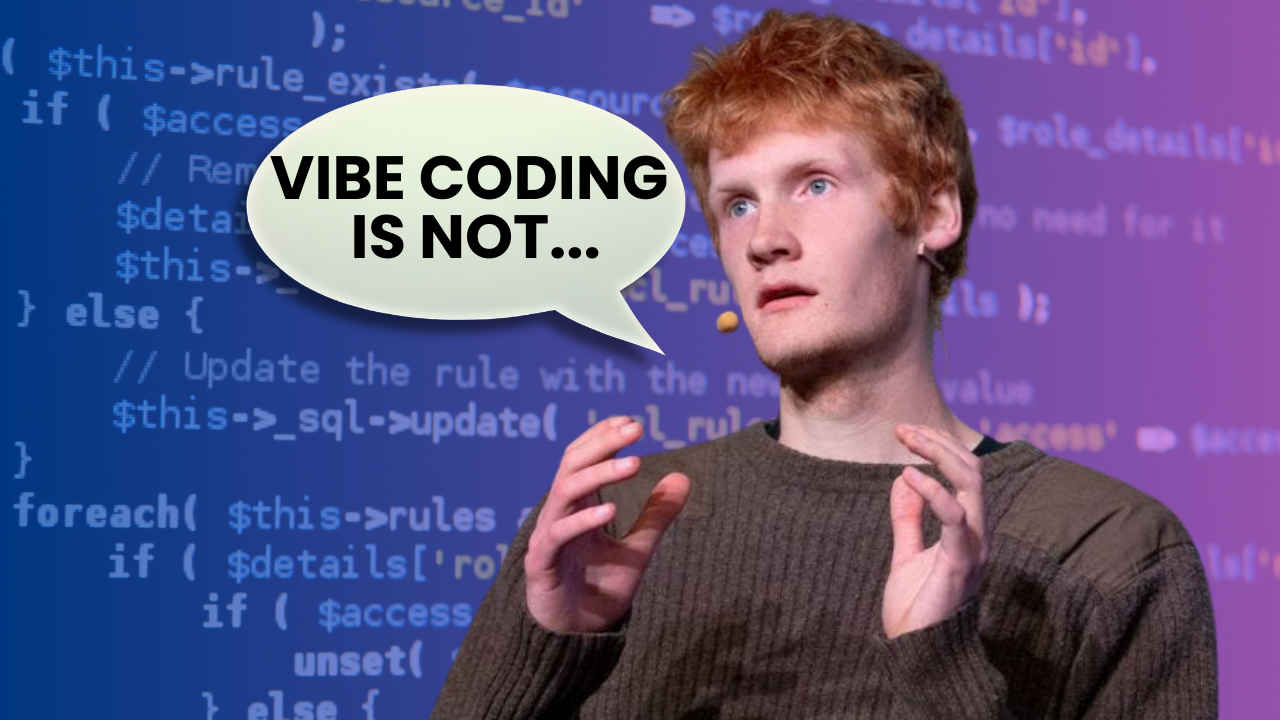
The architect of AI coding is worried we’re coding by vibes alone. It’s a fascinating paradox, if you think about it, where the leader of the company building the most loved AI-native editor is the one sounding the alarm on how people are using it.
 Survey
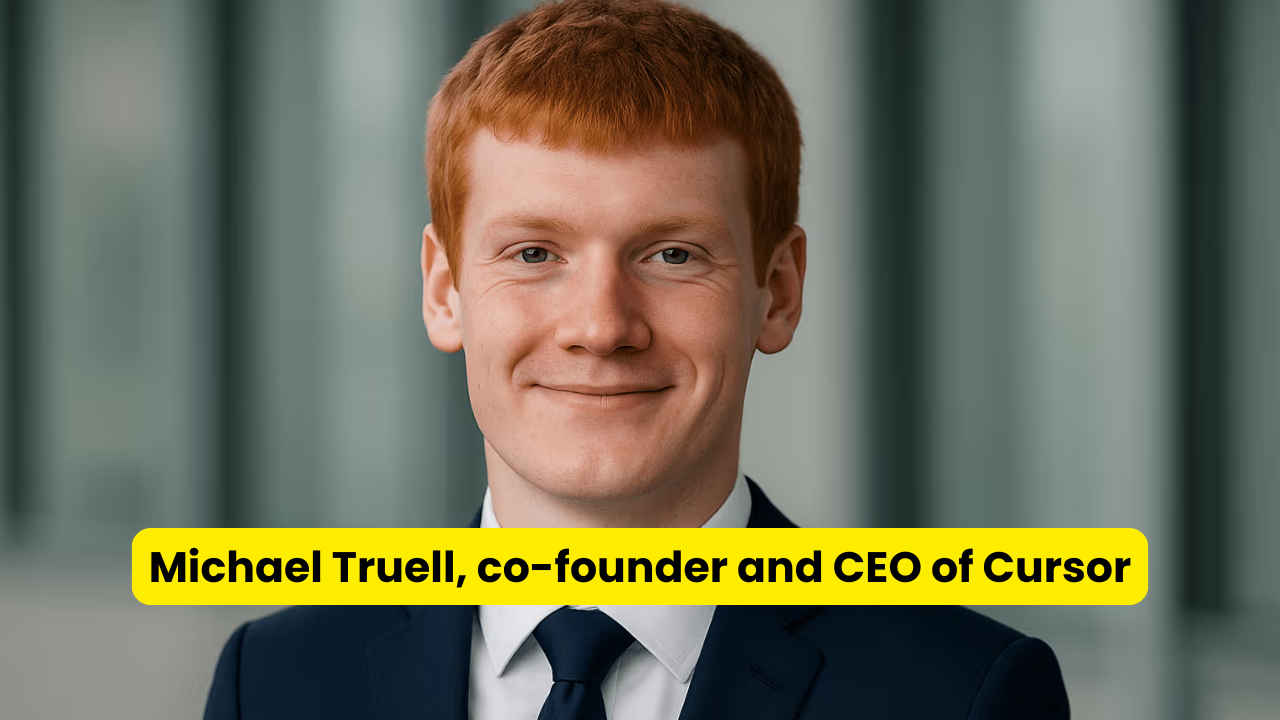
The core of the “vibe coding” concern is that developers are becoming system orchestrators who understand the “vibes” of the code (how it looks and if it runs) rather than the logic and security of the architecture. This fundamental shift in the rise of vibe coding is perilous, according to Cursor co-founder and CEO Michael Truell.


At Fortune’s Brainstorm AI conference earlier this month, Truell described a future where programming looks less like staring into a blank file and more like delegating work to an extremely caffeinated assistant. “More and more, you can take a step back from the code, and you can ask an AI to go do end-to-end tasks for you,” he said, according to a Fortune report.
Truell’s warning is related to “vibe coding,” and it’s become a catch-all phrase for building with AI in a way that prioritizes momentum over understanding. Truell’s definition is sharper – and a little more damning.
“Vibe coding refers to a method of coding with AI where you kind of close your eyes and you don’t look at the code at all and you just ask the AI to go build the thing for you,” he said.
Also read: Inside LinkedIn India’s AI engineering the future of hiring and jobs
If that sounds like the tech equivalent of cooking dinner by throwing ingredients into a pot and praying, you’re not far off. Truell likened it to building a house by putting up four walls and a roof without knowing what’s happening under the floorboards or in the wiring. It stands, until it doesn’t.
Because the problem isn’t the first floor. The problem is the fourth. “If you close your eyes and you don’t look at the code and you have AIs build things with shaky foundations as you add another floor… things start to kind of crumble,” Truell warned.
Truell’s perspective carries extra weight because Cursor isn’t an academic thought experiment. He and three other MIT graduates began it as a project in 2022, and it’s since become one of the most talked-about coding assistants in the market. Bloomberg reported roughly 1 million daily users earlier this year. CNBC has said the company hit $1 billion in annualized revenue and grew to about 300 employees.
Cursor took a $8 million investment from OpenAI’s Startup Fund in 2023, raised more from heavyweight VCs including Andreessen Horowitz, and by 2025 reportedly closed a $2.3 billion round at a $29.3 billion post-money valuation.
All of which makes Truell’s stance feel less like scolding and more like product philosophy, where AI should accelerate expertise, not replace attention. Cursor, he argued, is the best of both worlds – zoom in when the details matter, zoom out when you want the machine to take a first pass end-to-end.
Because “vibes” are fine for mockups and weekend experiments. But the software running banks, hospitals, rockets, and your group chat deserves something sturdier than a house built with faulty plumbing or electricity, yes?
Also read: India becoming world’s most important AI developer hub, says GitHub
 Follow Us
Jayesh Shinde
Executive Editor at Digit. Technology journalist since Jan 2008, with stints at Indiatimes.com and PCWorld.in. Enthusiastic dad, reluctant traveler, weekend gamer, LOTR nerd, pseudo bon vivant. View Full Profile


