DDR5 shortages push ASUS to vertical integration for gaming laptops
ASUS in-house DDR5 RAM could shield laptops from AI shortages
ASUS making DDR5 may stabilize laptop RAM pricing through 2028
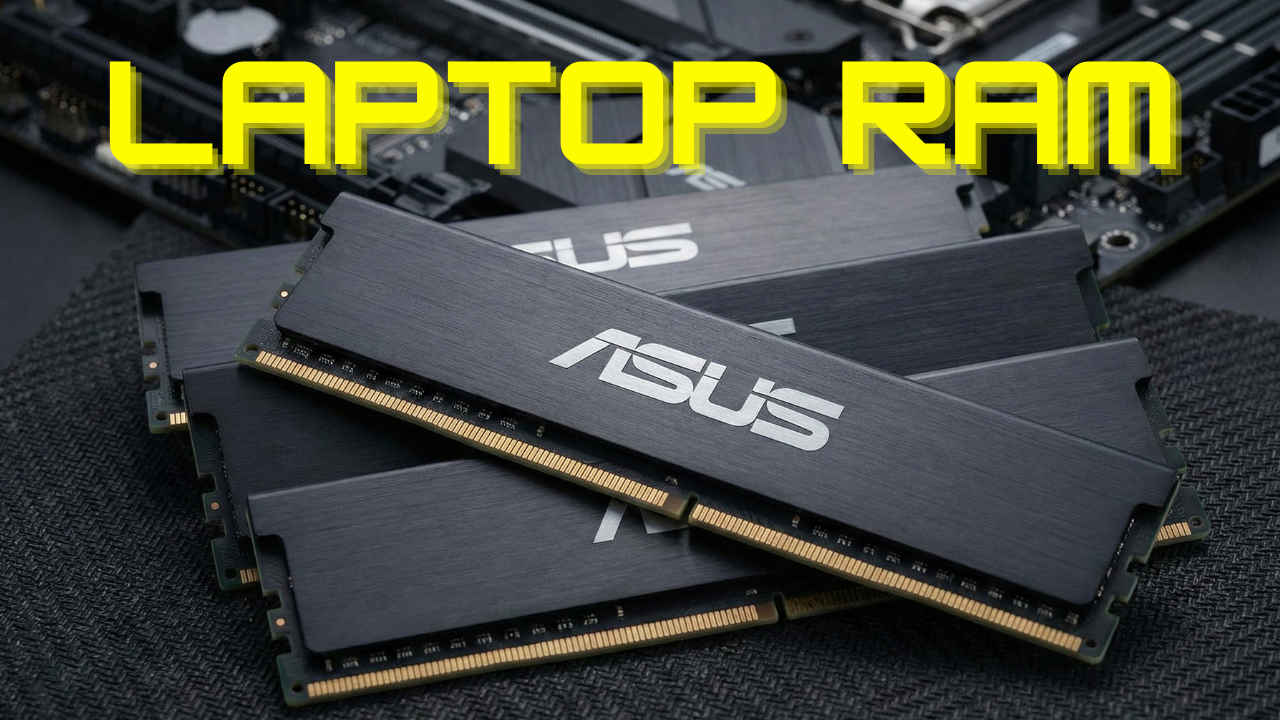
The global semiconductor industry is currently navigating a distinct shift in priorities that threatens to leave the average PC gamer behind. Major memory manufacturers like Samsung and SK Hynix are aggressively reallocating their production lines to focus on High Bandwidth Memory for AI data centers. This pivot has created a looming supply vacuum for standard consumer DDR5 memory which has led industry analysts to predict shortages and price hikes lasting through 2028. In a surprising strategic countermeasure, reports indicate that ASUS is planning to manufacture its own memory chips by 2026 to protect its supply chain.
 Survey
Also read: Demis Hassabis says AI-led robot revolution is unfolding right now, here’s why


Decoupling from the AI bottleneck
The primary driver behind this potential move is the physical reality of semiconductor fabrication. Silicon wafers are a finite resource and cleanroom space is expensive. When major foundries prioritize HBM production to satisfy the insatiable demand of enterprise AI hardware, the capacity for manufacturing standard consumer DRAM decreases. This creates a zero-sum game where gaming laptops are effectively competing for silicon against enterprise-grade AI servers.
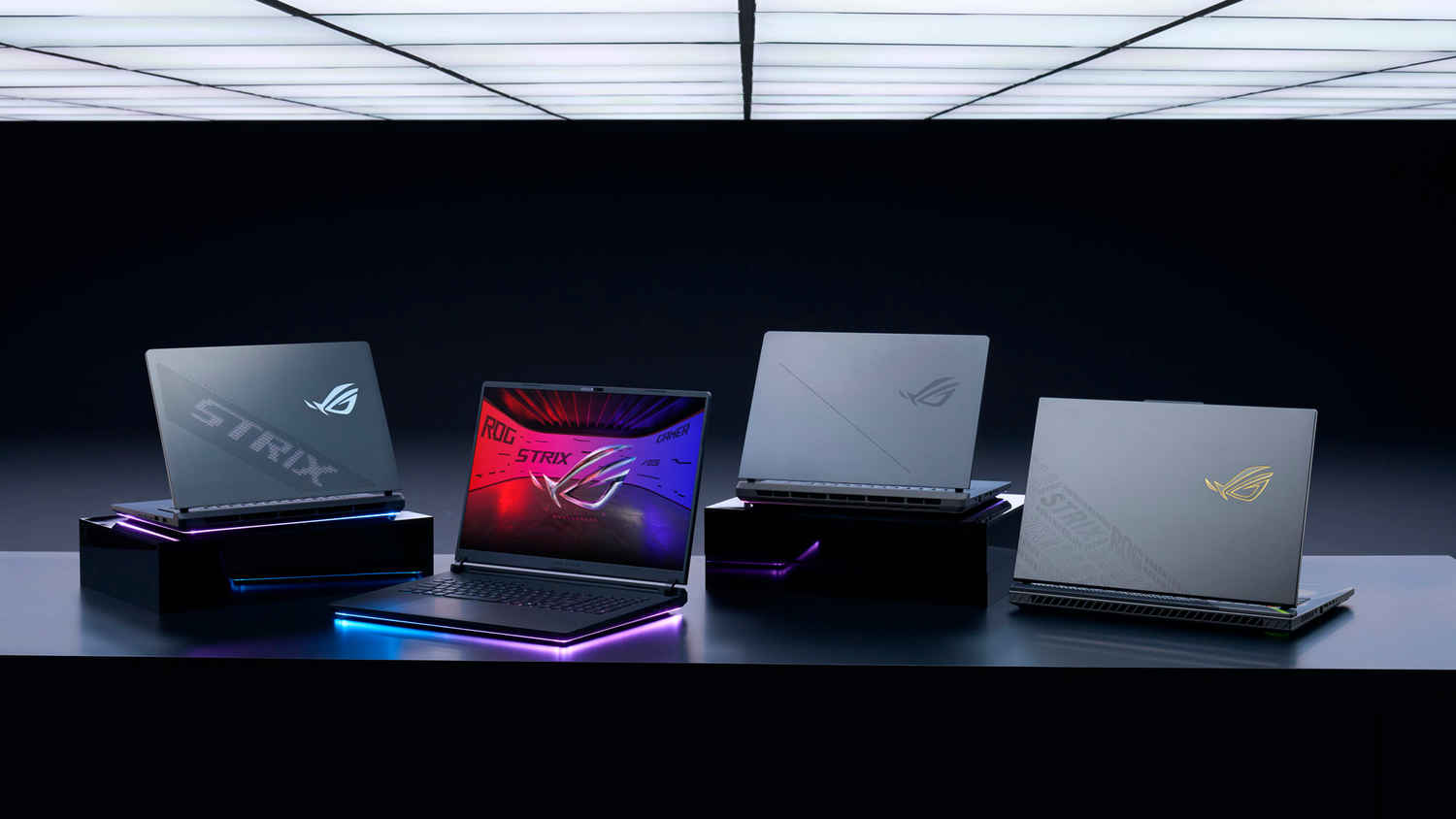
ASUS appears to be attempting a decoupling strategy. By establishing its own manufacturing capabilities or securing exclusive partnerships for production, the company ensures it is not reliant on the scraps left over by the AI boom. This control allows them to maintain consistent production volumes of DDR5 memory even when the rest of the market is constrained by the demands of the data center industry. It transforms a vulnerability into a stable pipeline for their ROG and TUF gaming divisions.
The potential for tighter hardware integration
Also read: Beyond ChatGPT subscriptions: How OpenAI plans to monetize the conversation
There is a significant engineering upside to a laptop manufacturer controlling its own memory silicon. Currently, system integrators must design their motherboards to be broadly compatible with memory modules from various vendors such as Micron, Samsung, and Hynix. This necessity forces them to rely on loose JEDEC standard timings to ensure stability across all potential component combinations.
If ASUS controls both the motherboard traces and the memory modules, they gain the ability to optimize the entire signal path from the CPU memory controller to the DRAM cell. This vertical integration could theoretically allow for aggressive binning of memory chips specifically for ROG laptops. Engineers could implement pre-tuned BIOS profiles that run memory at tighter latencies or higher voltages than standard specifications allow. This would result in tangible performance gains in CPU-bound gaming scenarios without the instability usually associated with overclocking.
Stabilizing the cost of entry
The immediate impact of a memory shortage is usually felt in the pricing and specification of entry-level and mid-range laptops. Competitors facing higher component costs are already signaling potential price increases or a regression to lower memory configurations. We are seeing a worrying trend where manufacturers might return to shipping gaming laptops with only 8GB of RAM to maintain current price points.
ASUS producing its own DDR5 changes this calculus completely. By removing the markup of third-party memory vendors and insulating themselves from spot market price fluctuations, they can maintain higher memory standards without inflating the final price of the device. While other brands might force consumers to choose between an affordable price tag and adequate RAM, this strategy could allow ASUS to make 16GB or 32GB the uncompromised standard across their lineup.
A shift in laptop manufacturing dynamics
This development signals a possible end to the era where PC manufacturers were simply assemblers of off-the-shelf components. Apple demonstrated the power of bringing silicon in-house with its M-series chips, and ASUS seems to be applying a similar logic to memory. It suggests a future where the most competitive laptop brands are those that own their component supply chain rather than those that simply negotiate the best bulk contracts.
Also read: One week, 700 compounds: How a lab robot discovered new antibiotic
 Follow Us
Vyom Ramani
A journalist with a soft spot for tech, games, and things that go beep. While waiting for a delayed metro or rebooting his brain, you’ll find him solving Rubik’s Cubes, bingeing F1, or hunting for the next great snack. View Full Profile


