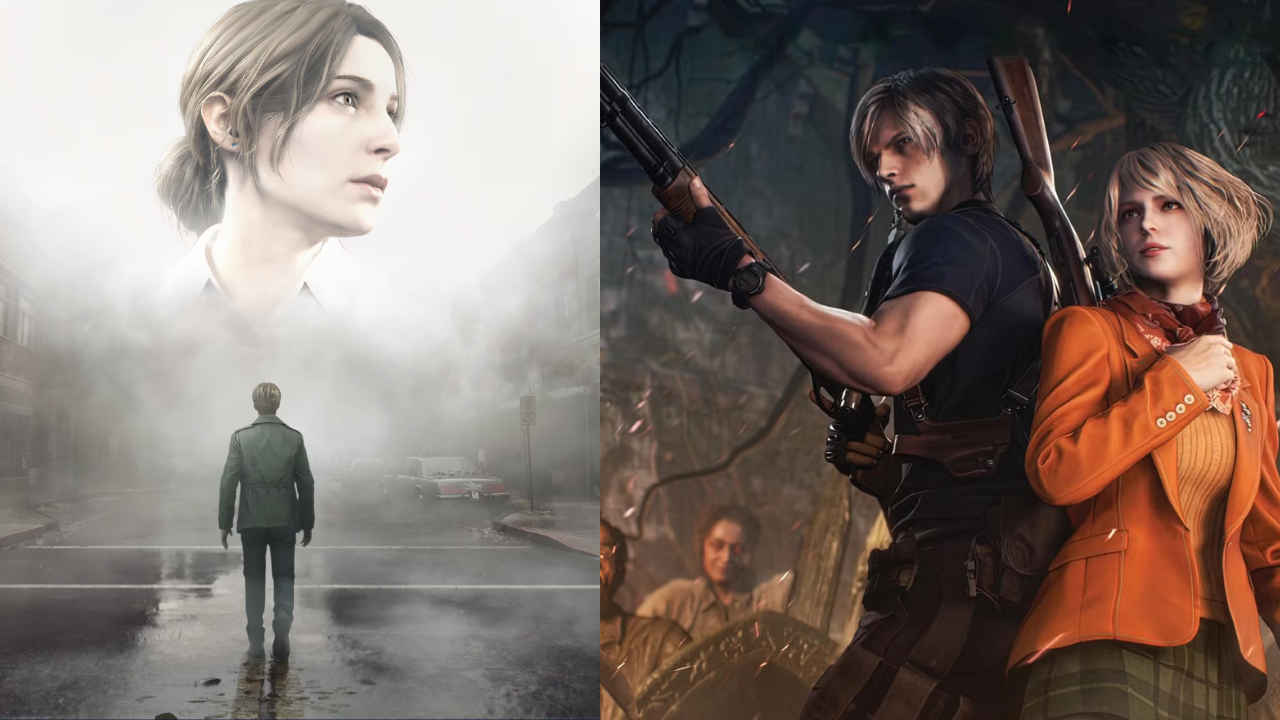
Silent Hill, Resident Evil, Tomb Raider, Assassin’s Creed and many more. If there is one thing common that I have noticed among today’s biggest AAA franchises, it is that they all have, or are about to get, full-scale remakes. And I’m not talking about light remasters or quick visual upgrades, but complete reworks built for modern consoles, modern engines and a very different audience than the one these games originally launched for.
 Survey
Over the past few years, remakes have stopped feeling like occasional passion projects and are more like a pattern. The moment a new remake announcement is made, chances are that you might have already seen it coming. These announcements make headlines, spark massive online discussion and often overshadow brand-new releases. So as I gear up for another weekend of playing Silent Hill 2 remake (for the 2nd time), I can’t help but wonder why so many studios are choosing to revisit the past right now. This shift does not feel accidental, and it is surely not just about fan service.


Also read: Resident Evil: Why this legendary game has defined horror for 30 years
Most AAA franchises are now getting remakes
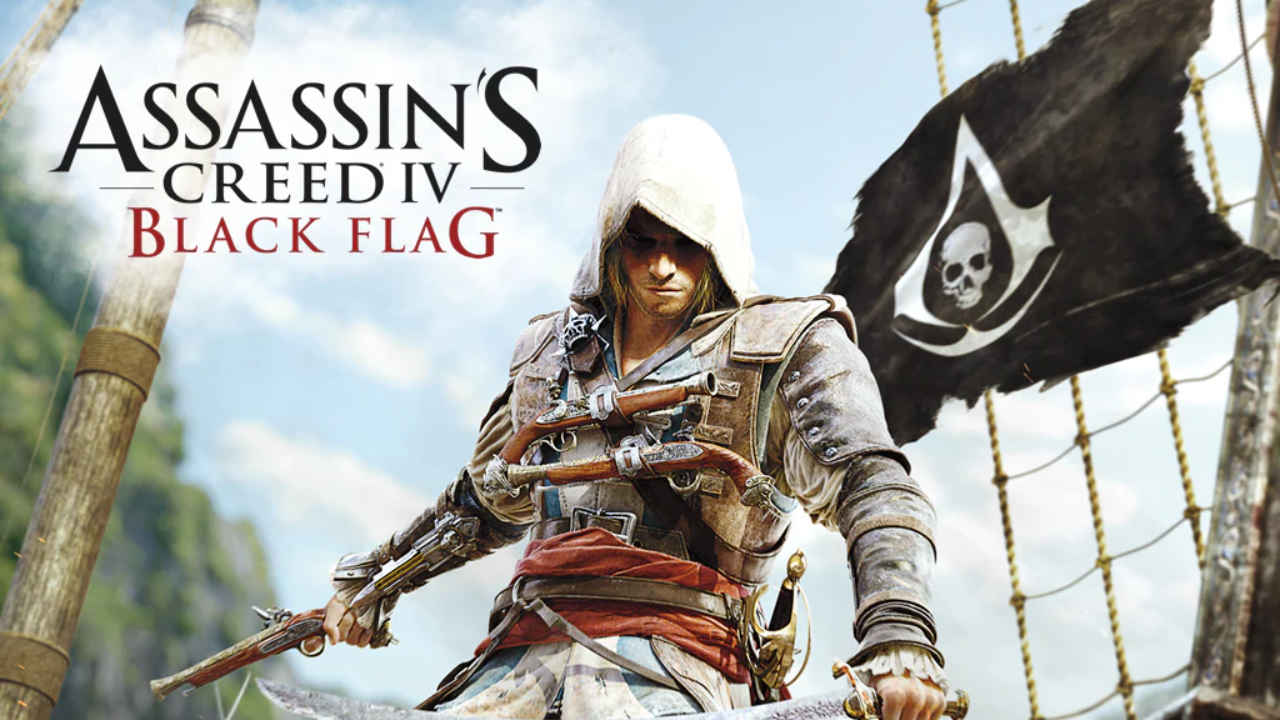
Look at the release calendars over the past few years and the pattern is hard to ignore. Konami brought Silent Hill back with a full remake of Silent Hill 2, with more projects already in motion. Capcom has turned the Resident Evil remake strategy into a long-running success story, rebuilding everything from Resident Evil 2 to Resident Evil 4 and reportedly lining up more. Tomb Raider is preparing for another return, with a remake titled Tomb Raider: Legacy of Atlantis. Ubisoft’s Assassin’s Creed Black Flag Resynced has also surfaced through leaks and ratings boards, pointing to a modern rework of one of the franchise’s most loved entries.
Why are these games being remade?
One of the biggest reasons studios are turning to remakes is money. Modern AAA games are staggeringly expensive to make. Development cycles stretch across five or six years, teams run into the hundreds, and marketing budgets rival those of blockbuster films. A single underperforming release can disrupt an entire publisher’s roadmap.
In that environment, greenlighting a completely new IP is a far bigger gamble than it used to be. There is no built-in audience, no emotional attachment, and no guarantee that players will show up on day one. A remake, on the other hand, already has recognition baked in. The world, characters and core ideas are proven. The risk does not disappear, but it becomes easier to manage.
Former PlayStation CEO Shawn Layden has also spoken openly about this problem in various interviews, pointing out that rising budgets have made the industry “risk averse by necessity.” In one interview, Layden noted that when games cost this much to make, publishers naturally gravitate towards ideas with a built-in audience rather than taking chances on something entirely untested.
Nostalgia is a powerful business tool
There is also the audience itself to consider. The players who grew up with PlayStation 1, PlayStation 2 and early Xbox games are now adults with disposable income. They remember these games vividly, even if the originals feel dated by today’s standards. A remake offers a way to relive those memories without friction.
Studios understand this emotional connection very well. A Silent Hill or Resident Evil remake does not just sell a game, it sells a feeling. Comfort, familiarity, and the promise of revisiting something important from a different stage of life. That emotional pull often translates into stronger launch sales and longer engagement.
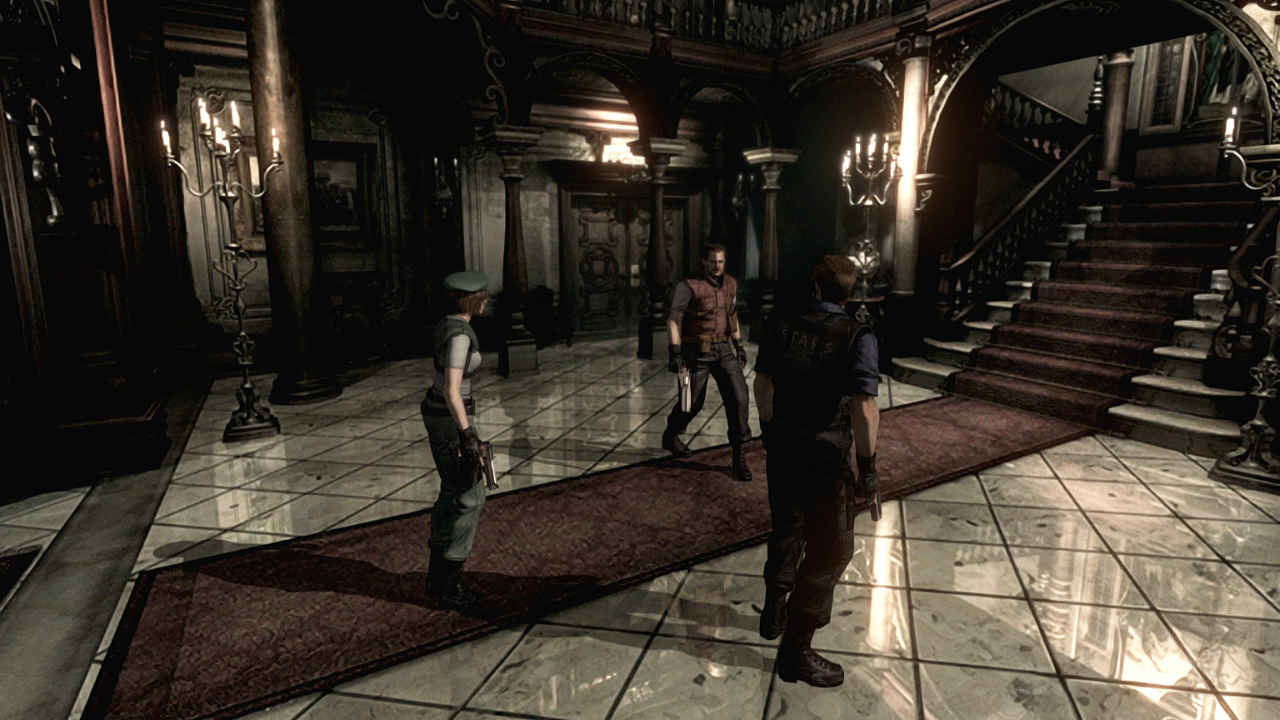
At the same time, remakes also act as an entry point for younger players who never experienced the originals. A modernised Tomb Raider or Assassin’s Creed Black Flag can introduce an entire generation to stories and worlds that might otherwise feel inaccessible.
Remakes help rebuild trust with players
Another less discussed reason behind the remake boom is trust. Over the past decade, the relationship between big publishers and players has been tested repeatedly. Buggy launches, aggressive monetisation, unfinished releases and live service misfires have all contributed to scepticism.
A well-made remake can help repair that damage. It signals care, polish and respect for what came before. Capcom is a clear example of this. After a rough period, the Resident Evil remakes helped reposition the company as a studio that listens to its audience and delivers complete, confident experiences.
For publishers, remakes can serve as a reset button. They remind players why these franchises mattered in the first place, before moving forward with new entries.
Modern technology makes it all worthwhile
There is also a creative side to this trend that often gets overlooked. Today’s engines, lighting systems and animation tools allow developers to realise ideas that were not possible when these games were first made. Many older titles were limited by hardware, time or budget rather than ambition.
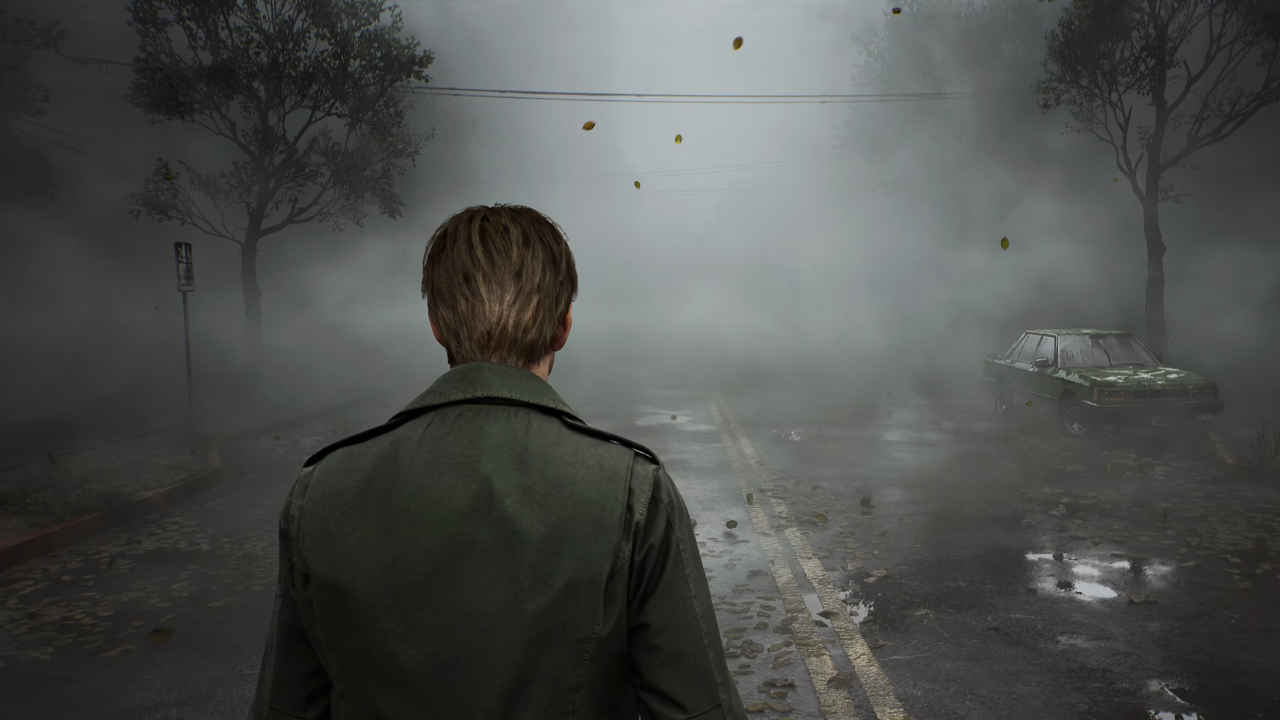
Remakes give studios the chance to reimagine environments, refine combat systems, and expand storytelling without inventing everything from scratch. When done right, they feel less like recycling and more like fulfilment of an original vision.
This is why the best remakes do more than improve visuals. They rethink pacing, controls and level design while staying true to the core experience. Players notice that effort, and it often shows in critical and commercial reception.
Hence, on paper, the rise of remakes feels logical, even necessary. But as a player, I still find myself conflicted. On one hand, there is genuine comfort in returning to games that shaped my early relationship with gaming. Playing a modern version of Resident Evil or revisiting a world like Black Flag feels familiar in the best way possible, especially when it is rebuilt with care and respect.
But at the same time, when I look at my library, it is starting to feel crowded with the past. So many remakes are stacked up alongside each other that they begin to blur together, and the excitement of discovering something entirely new feels rarer than it used to. I enjoy revisiting these worlds, but I also miss being surprised by them. Maybe that tension is the real takeaway here. Remakes clearly have a place in modern gaming, but they work best when they exist alongside new ideas, not instead of them. Looking back can be rewarding, as long as the industry does not forget how important it is to keep moving forward.
Also read: Assassin’s Creed Shadows available for half its price: Should you buy or skip?
 Follow Us
Divyanshi Sharma
Divyanshi Sharma is a media and communications professional with over 8 years of experience in the industry. With a strong background in tech journalism, she has covered everything from the latest gadgets to gaming trends and brings a sharp editorial lens to every story. She holds a master’s diploma in mass communication and a bachelor’s degree in English literature. Her love for writing and gaming began early—often skipping classes to try out the latest titles—which naturally evolved into a career at the intersection of technology and storytelling. When she’s not working, you’ll likely find her exploring virtual worlds on her console or PC, or testing out a new laptop she managed to get her hands on. View Full Profile


